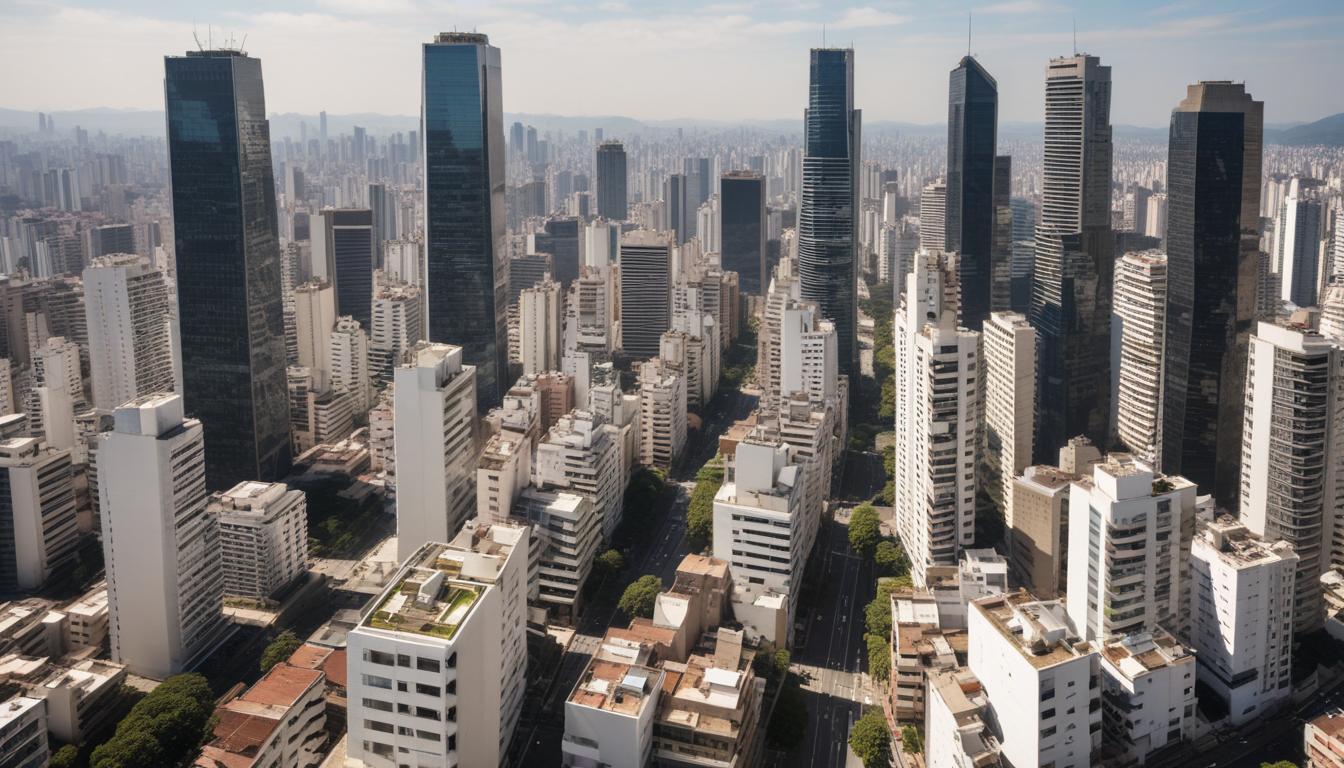
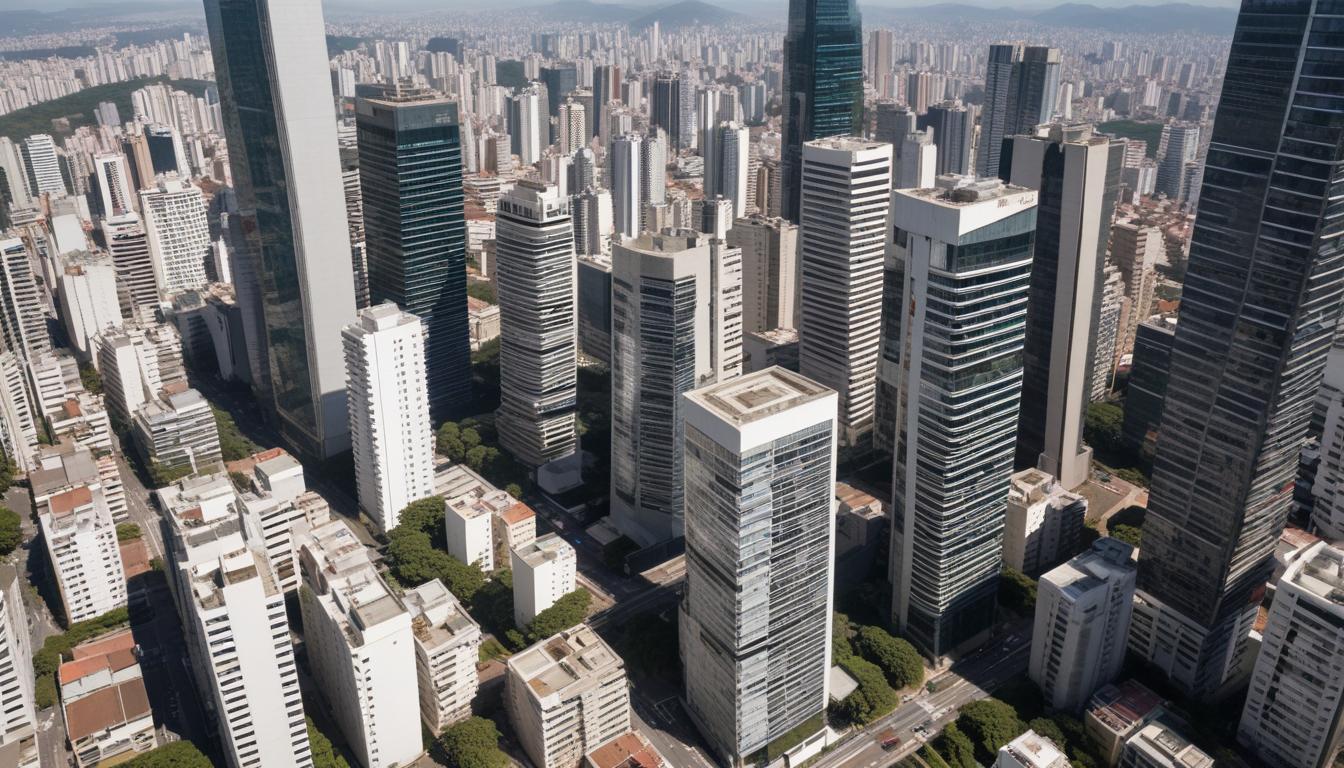
The dining rooms along Rua Oscar Freire and Alameda Santos are packed again, but São Paulo's hospitality sector is navigating an increasingly complex landscape as the year's second half unfolds. While foot traffic has rebounded across the city's premium neighbourhoods—particularly in Vila Madalena and Pinheiros—operators are facing margin pressures that weren't present even six months ago.
Labour costs remain the primary concern. Entry-level kitchen and service staff now command salaries 18 to 22 percent higher than they did in early 2025, according to informal surveys among restaurant associations in the Centro and Zona Oeste. The shortage of skilled hospitality workers continues to shape hiring practices, with establishments increasingly investing in training programmes rather than competing solely on wages.
Food inflation has moderated compared to 2024, but suppliers report volatile pricing for imported ingredients critical to São Paulo's diverse culinary scene. Premium establishments offering international cuisine—particularly those concentrated around Rua Haddock Loide in Vila Mariana—are passing modest increases to consumers, though resistance to price hikes remains visible in reduced traffic during off-peak hours.
The retail picture differs markedly by category. Fast-fashion and athleisure brands continue flourishing in Higienópolis and along Avenida Paulista, where rents have stabilised after years of fluctuation. However, traditional department stores and mid-market apparel chains report softer performance, with consumer preference increasingly skewing toward e-commerce and specialised boutiques. Conversion rates in physical stores have declined roughly 8 to 12 percent year-over-year, particularly among younger demographics.
Delivery services have matured significantly. Rather than cannibalising dine-in business, third-party platforms now account for 22 to 28 percent of revenue for full-service restaurants, up from 18 percent in 2024. Successful operators are treating digital channels as complementary rather than competitive, optimising menus for different consumption contexts.
Sustainability messaging, once a differentiator, is now table stakes. Consumers across income brackets increasingly expect waste reduction, local sourcing, and transparent supply chains—particularly in upmarket areas. Establishments ignoring these expectations risk reputational damage in São Paulo's tightly networked business community.
The consensus among hospitality consultants working with clients from the Pinheiros industrial corridor to Berrini's corporate towers: businesses that invested in operational flexibility and staff retention over the past 18 months are outperforming competitors. Those relying on static models face a narrowing window to adapt.
This article was compiled by AI from the sources linked above and screened before publishing. See our editorial standards.