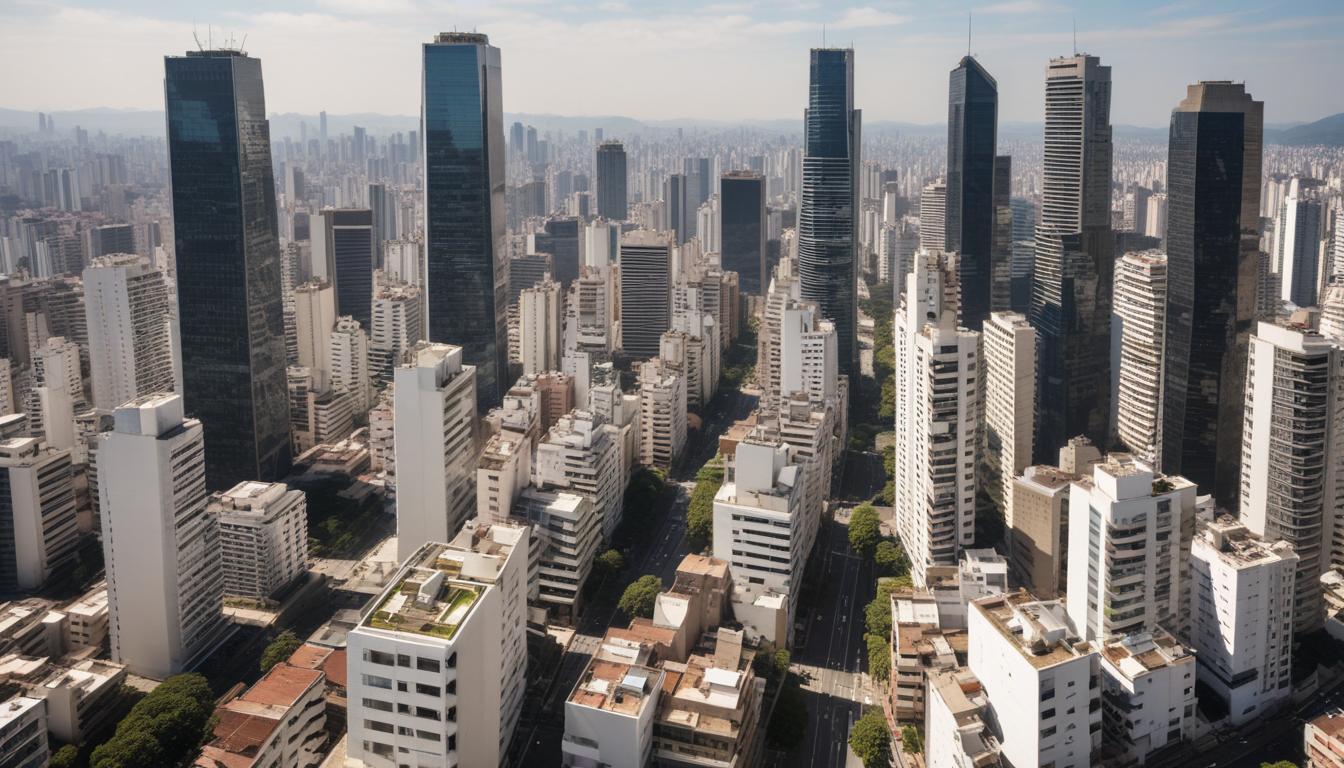
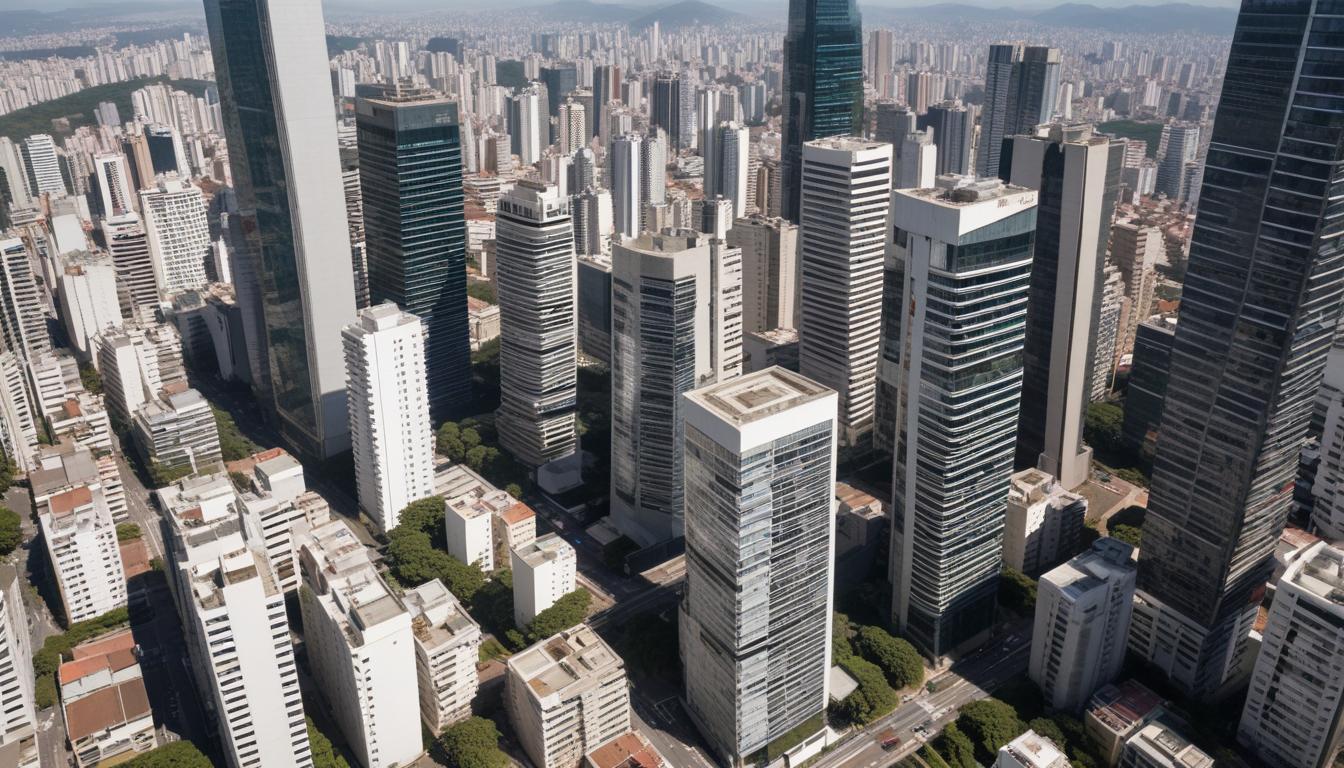
The gleaming towers along Avenida Paulista tell a familiar story for São Paulo's investment community this year: opportunity mixed with mounting anxiety. As 2026 enters its second half, finance professionals across the city's banking heartland are contending with a confluence of pressures that few anticipated would converge so sharply.
Inflation remains stubbornly elevated, hovering near 5.5 percent year-to-date, outpacing wage growth and eroding purchasing power for middle-class investors who form the backbone of retail investment activity. At the same time, the real has weakened against the dollar, making dollar-denominated debt more expensive for Brazilian companies and complicating hedging strategies for portfolio managers in the Zona Cerealista and Brooklin business districts.
"We're seeing a recalibration across the board," explains the sentiment echoed by financial advisors at established firms in Centro and Vila Mariana. Equity fund inflows have slowed considerably compared to the bullish conditions of 2024 and early 2025, with risk appetite dimming as geopolitical tensions abroad add another layer of uncertainty to market forecasts.
The cost of living in São Paulo itself has become a secondary concern for institutional investors, yet it matters for their talent retention. A family apartment in Jardins now commands prices that would have been unthinkable three years ago, and office space rental along Rua Augusta has climbed steadily. These operational costs squeeze fund margins precisely when performance fees are under pressure.
Consumer credit, which powered much of the retail investment surge during the pandemic recovery, is tightening. Interest rates on personal loans have risen above 40 percent annually, forcing household budgets to contract. This dampens demand for investment products among working professionals who might otherwise have capital to deploy.
The regulatory environment adds another wrinkle. Proposals circulating through Brasília regarding taxation of financial gains and stricter disclosure requirements have created planning paralysis among wealth managers. Clients meeting at restaurants in Higienópolis and Pinheiros speak openly about delaying rebalancing decisions until post-legislative clarity emerges.
Yet paradoxically, volatility creates opportunity for sophisticated investors. Bond markets are repricing, emerging opportunities for those with patient capital and strong conviction. The challenge for São Paulo's investment sector is maintaining institutional confidence while acknowledging that 2026 will likely prove a year of consolidation rather than expansion—a reality that demands both prudence and strategic foresight from those navigating this complex landscape.
This article was compiled by AI from the sources linked above and screened before publishing. See our editorial standards.