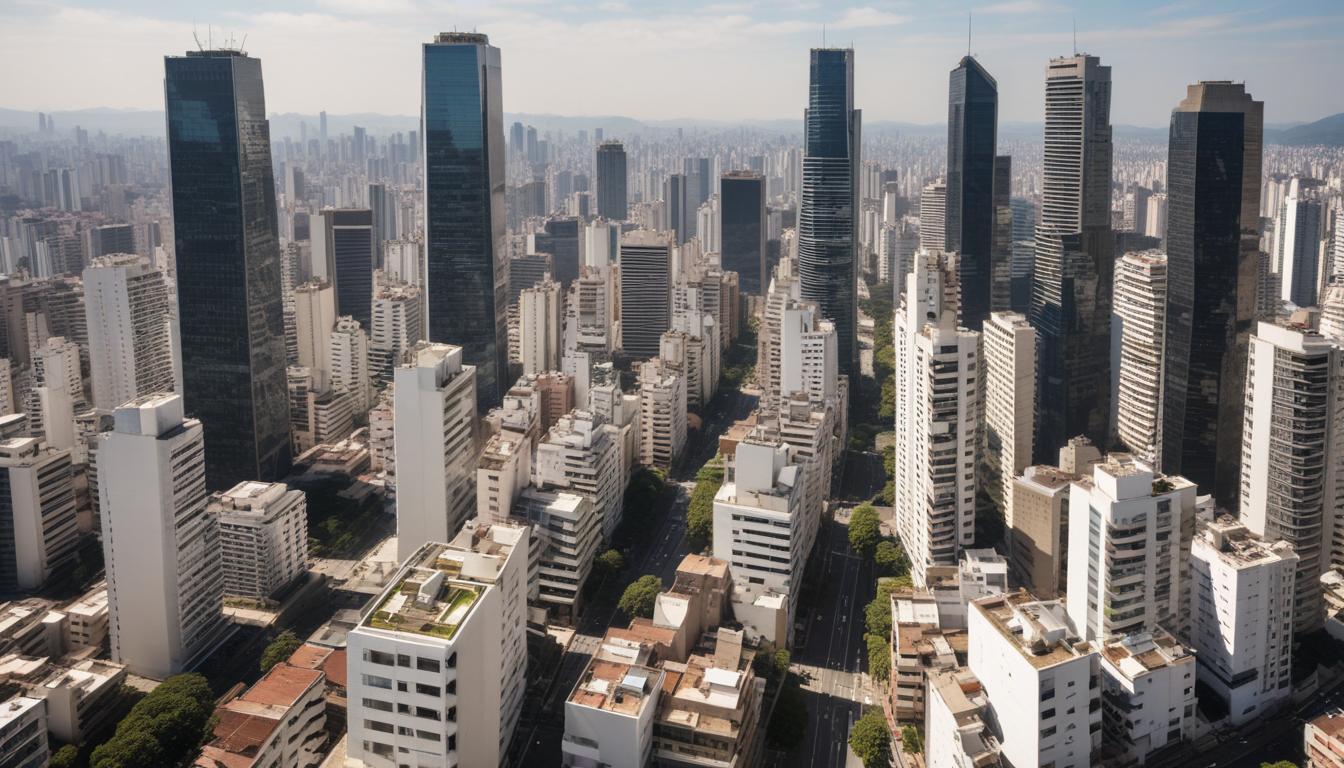
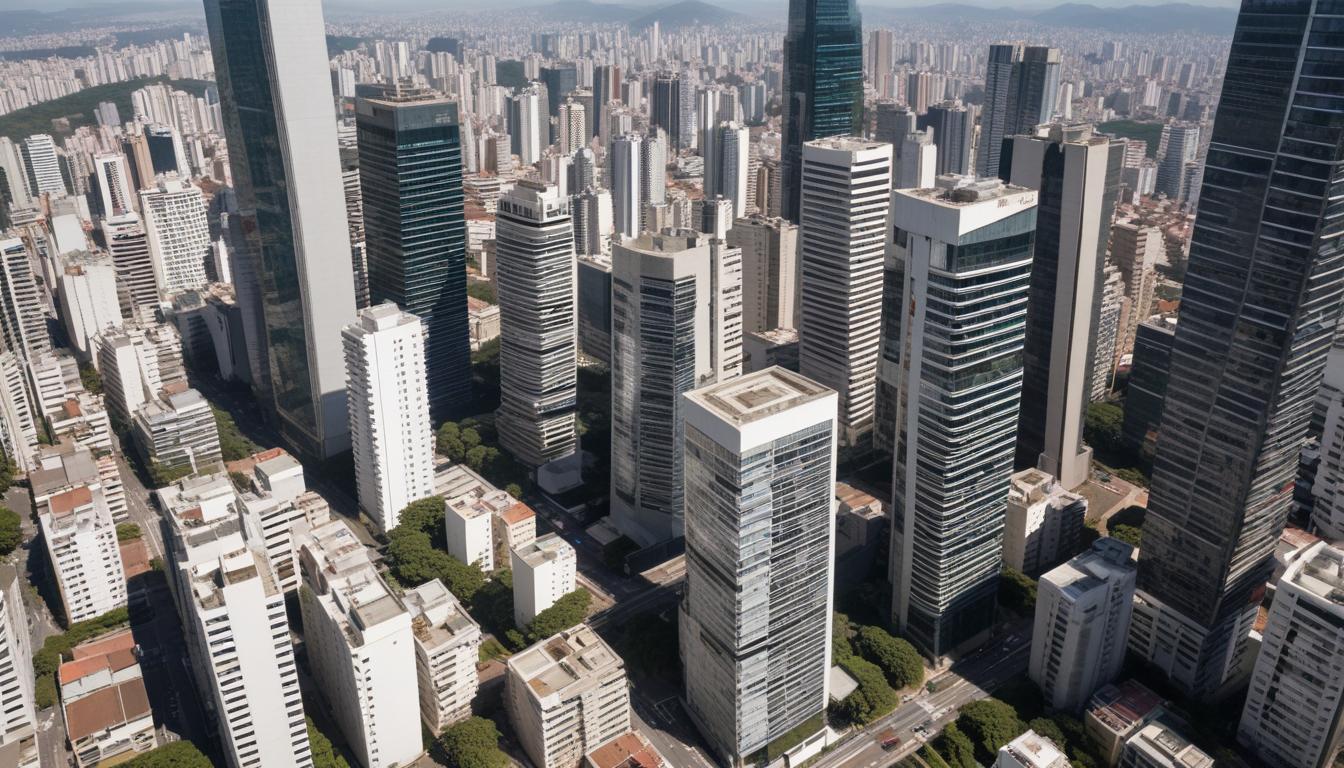
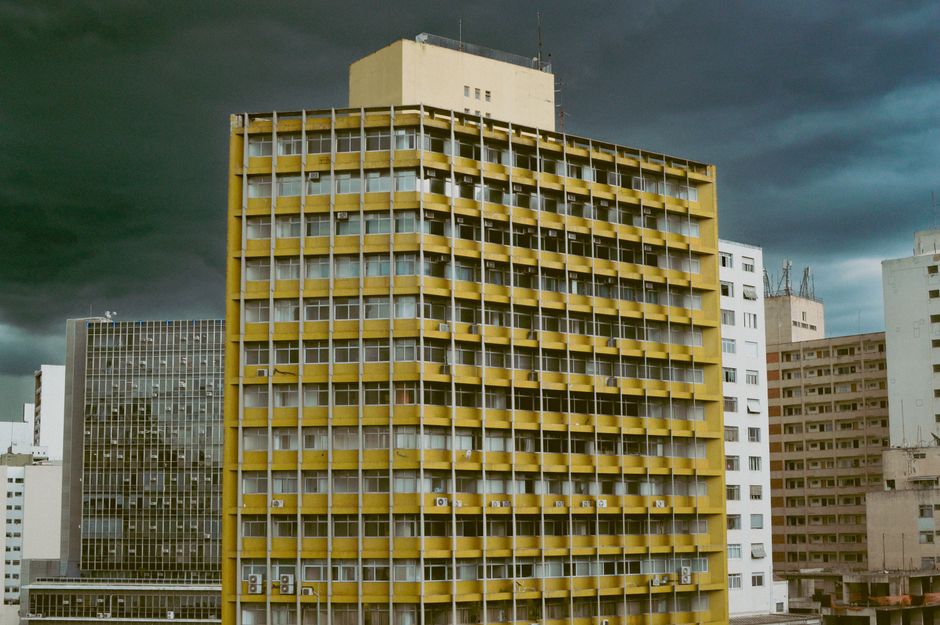
Walking through the corridors of the B3 building on Rua XV de Novembro, you'll find traders and logistics executives grappling with a reality that would have seemed unthinkable two years ago: the collapse of predictable trade rules and the return of protectionist nationalism across multiple continents simultaneously.
The challenges facing São Paulo's international trade sector have intensified dramatically through the first half of 2026. Currency volatility has made pricing contracts nearly impossible, with the real fluctuating between 4.8 and 5.3 against the dollar in recent months alone. For companies like those clustered in the Vila Mariana logistics hub and the Zona Leste industrial corridor, this translates directly to eroded profit margins on export contracts signed months earlier.
The tariff landscape has become treacherous. New protectionist measures from major economies have upended shipping schedules and forced renegotiations on deals that were supposedly locked in. Importers bringing goods through the Port of Santos—still one of South America's busiest—now face unexpected duties that weren't part of their original calculations. One mid-sized importer in the Pinheiros neighbourhood reported that shipping costs from Asia have increased 34 percent year-over-year, while demand from traditional buyers remains sluggish.
"The uncertainty is the real killer," explains the sentiment shared across countless conversations in coffee shops near the Chamber of Commerce on Avenida Paulista. Companies cannot confidently forecast revenue or commit to expansion when geopolitical tensions threaten supply chains seemingly daily. Pakistan-Afghanistan border clashes, Middle East tensions, and ongoing disputes between major trading blocs have made insurance premiums for cargo spike and delivery windows expand unpredictably.
Agricultural exporters—crucial to São Paulo's economy given Brazil's role as a global food supplier—face particular strain. Grain shipments that would have moved seamlessly to traditional markets now encounter resistance or shifting demand. The sector that powers much of the activity at the CeasamSP market in the Zona Leste has had to scramble for alternative buyers.
Financial services firms operating from the business districts of Itaim Bibi and Brooklin are equally stressed. Banks and trading houses report their clients are holding cash rather than deploying capital for new ventures. The confidence that fueled previous boom cycles has given way to cautious defensiveness.
For São Paulo's business establishment, the message is clear: the era of rules-based global commerce faces genuine disruption. Those companies that can navigate volatility, diversify supply chains rapidly, and maintain operational flexibility stand to survive. Others may not.
This article was compiled by AI from the sources linked above and screened before publishing. See our editorial standards.