São Paulo's Trade Sector Faces Perfect Storm of Geopolitical Risk and Currency Volatility in 2026
Exporters warn that escalating global tensions, supply chain fragmentation, and a stronger dollar are eroding Brazil's competitive edge.
Exporters warn that escalating global tensions, supply chain fragmentation, and a stronger dollar are eroding Brazil's competitive edge.
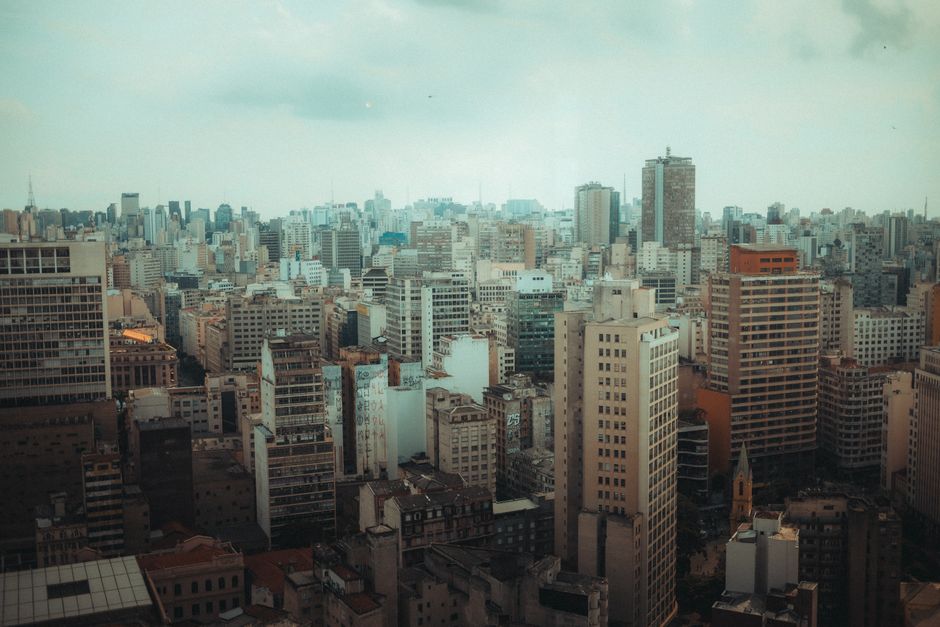
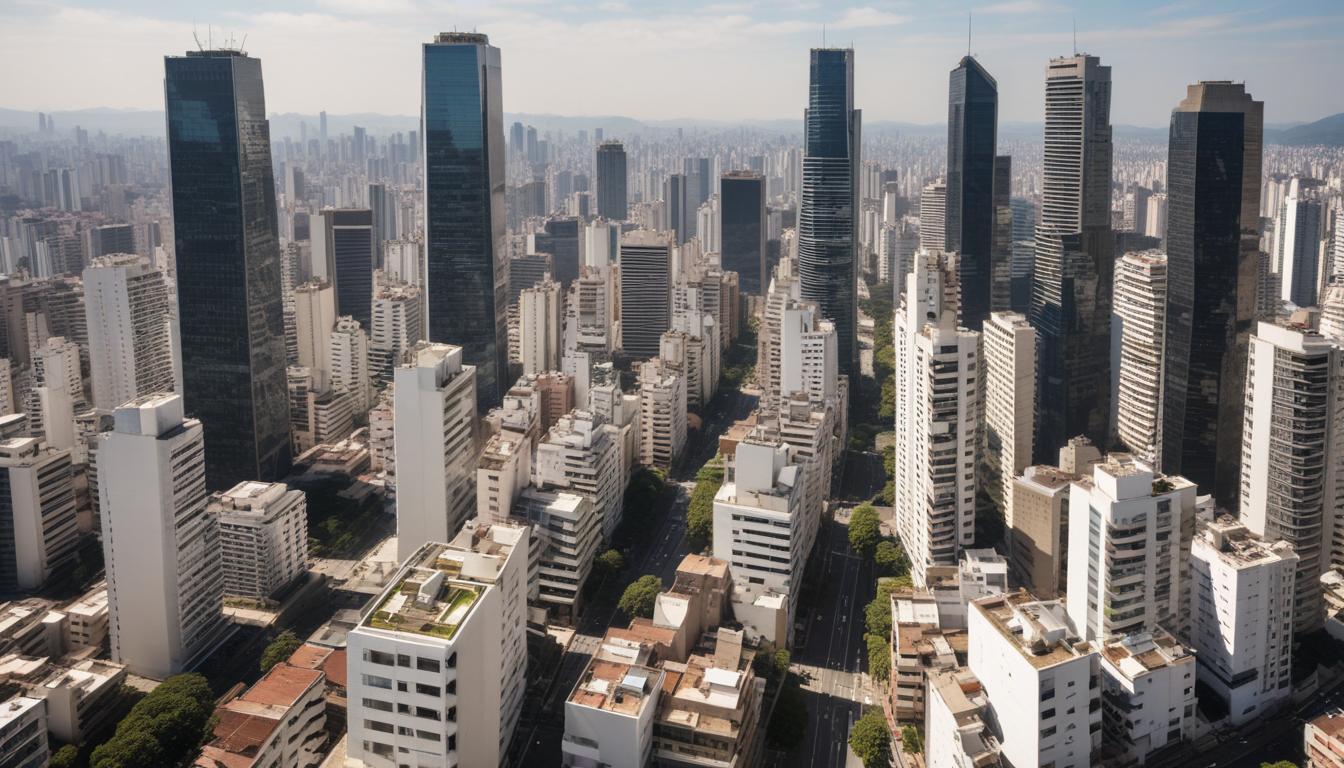
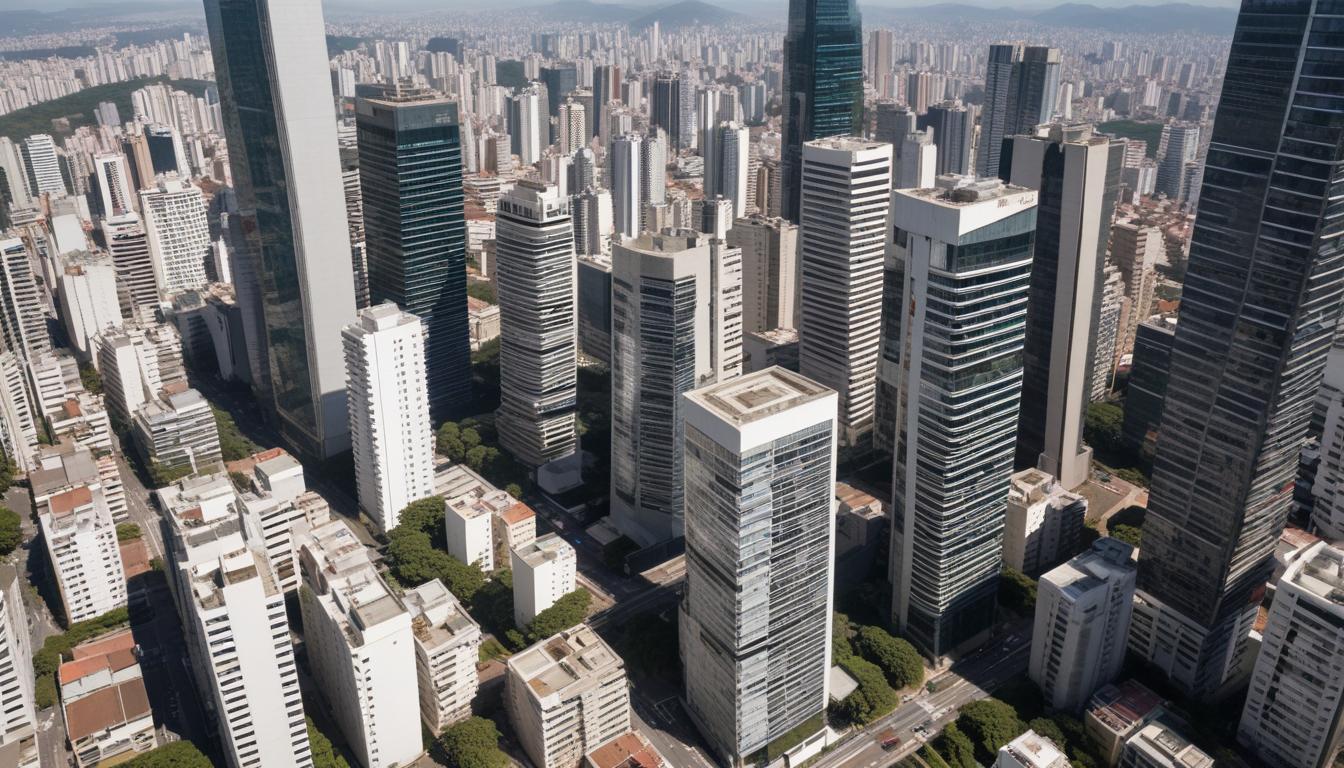
The glass-and-steel towers lining Avenida Paulista have rarely looked so uncertain. For months, executives in São Paulo's bustling business district have watched geopolitical tensions tighten like a vice around international commerce, threatening the very arteries through which Brazilian goods flow to the world.
The challenges are mounting faster than most anticipated. Trade flows that once moved predictably through established routes now face unpredictable tariff regimes, heightened security protocols, and shifting alliances that remake supply chains weekly. The U.S.-Iran tensions playing out across the Middle East, combined with renewed friction in Eastern Europe and growing instability in Africa, have created a fragmented global marketplace that punishes the kind of lean, just-in-time operations São Paulo's manufacturers have perfected.
"Currency volatility is eating our margins," explains one logistics coordinator operating from the Porto Maravilha district, reflecting concerns echoed across the city's trading community. The real has weakened considerably against the dollar, making Brazilian imports more expensive while simultaneously raising costs for domestic companies sourcing components abroad. Companies that locked in pricing three months ago now find themselves unable to quote competitively.
The Federation of Industries of the State of São Paulo (FIESP) reported in May that export confidence indices fell to their lowest point since 2020. Agricultural exporters—traditionally among Brazil's most reliable earners—face unpredictable demand as major importing nations implement new food security protocols. Meanwhile, manufactured goods struggle as developed economies increasingly regionalize supply chains, boxing out distant competitors.
Insurance premiums for maritime shipping have climbed sharply due to expanded risk zones and rerouting requirements. A container traveling from the Port of Santos to Europe now faces longer transit times and higher security costs, directly impacting competitiveness. Companies operating from business hubs around Rua 25 de Março report that clients who once accepted 30-day delivery windows now demand 21 days—a mathematical impossibility given current logistics constraints.
Tech firms in the Vila Mariana innovation corridor face their own headwinds. Semiconductor shortages persist despite optimistic forecasts, and new export restrictions from developed nations limit access to cutting-edge components. Brazilian software companies find themselves caught between rising operating costs and clients demanding price stability.
Yet São Paulo's traders are not passive. Diversification efforts toward African markets, Southeast Asia, and intra-regional MERCOSUL trade show cautious momentum. But as mid-2026 unfolds, the fundamental challenge remains: adapting to a global economy that has become fundamentally less predictable, and far less forgiving of inefficiency.
This article was compiled by AI from the sources linked above and screened before publishing. See our editorial standards.
How does this story make you feel?
Spread the word
About this article
Published by The Daily São Paulo
Daily brief
Free, in your inbox before 7am. Weekdays.
More in Business