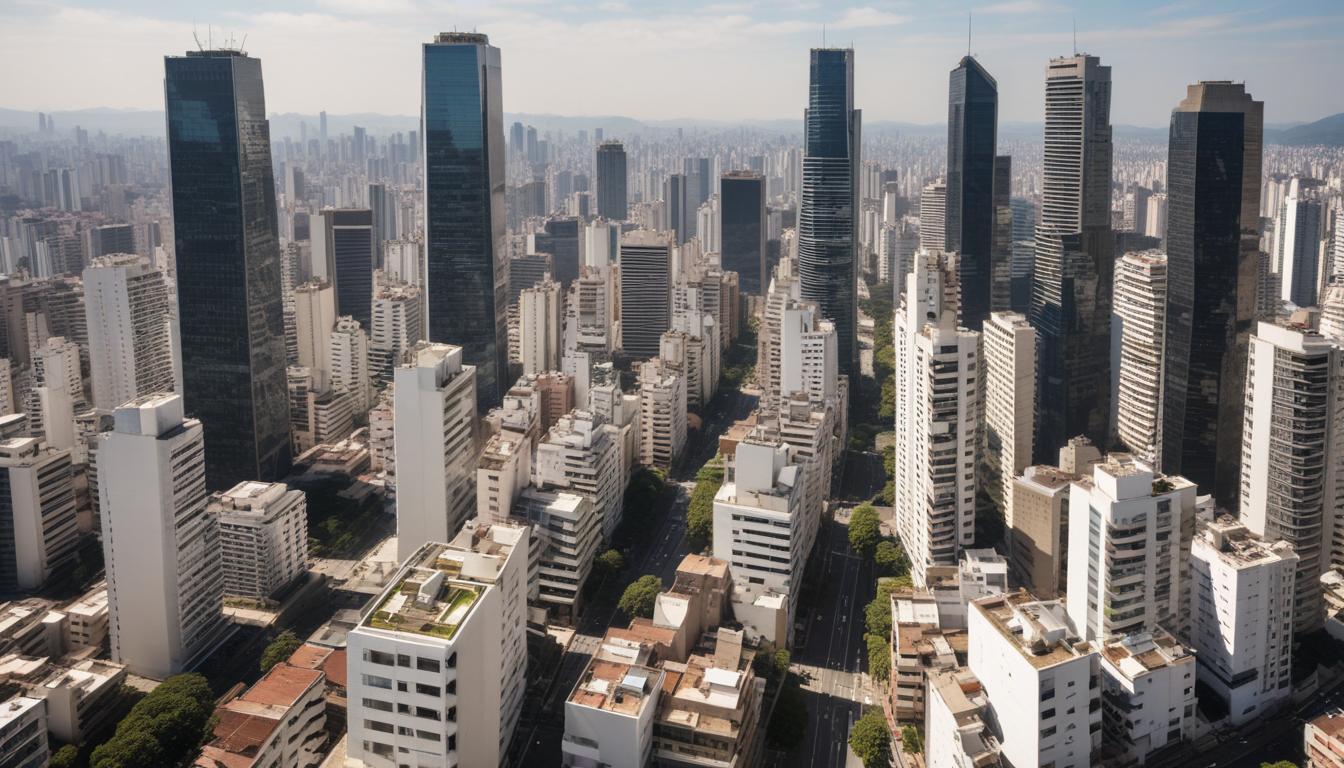
Why São Paulo's Micro-Entrepreneurs Are Reshaping What You Pay for Daily Essentials
As formal retail struggles, small business owners in Vila Madalena and beyond are setting new pricing rules—here's what that means for your wallet.
As formal retail struggles, small business owners in Vila Madalena and beyond are setting new pricing rules—here's what that means for your wallet.

Walk down Rua Harmonia in Vila Madalena on a Saturday morning, and you'll notice something that wasn't true five years ago: the small, independent vendors now outnumber the chains. This shift isn't coincidental. It reflects a fundamental restructuring of São Paulo's retail landscape that directly affects how much residents spend on groceries, clothing, and services.
According to the Brazilian Micro and Small Business Support Service (Sebrae), micro-entrepreneurs now account for nearly 28 percent of São Paulo's formal employment. What matters to everyday consumers is this: these business owners operate on dramatically different margins than supermarket chains. A neighbourhood grocer on Rua dos Pinheiros can negotiate directly with suppliers, eliminating middlemen costs that inflate prices at Carrefour or Pão de Açúcar by 15 to 22 percent on staple items.
The price advantage is tangible. A kilogram of tomatoes costs roughly R$8 at major supermarkets; at independent markets in Pinheiros or Tatuapé, expect R$5.50 to R$6.50. For a family spending R$1,200 monthly on groceries, this difference accumulates to R$150–200 in savings. But there's a trade-off consumers must understand: smaller vendors operate with thinner profit margins, meaning they're vulnerable to supply shocks and economic fluctuations. When input costs spike, independent retailers raise prices faster than chains can.
The real story here extends beyond pricing. These entrepreneurs are reshaping service expectations. A smartphone repair shop in Consolação or a tailoring business in Bom Retiro offers flexibility—extended hours, custom work, and negotiable pricing—that chain stores cannot match. Yet they lack the warranty protections and corporate accountability that formal retail provides. Consumers gain personal relationships but lose institutional recourse.
For residents considering where to spend their money, understanding this ecosystem matters. Supporting small business owners in Vila Mariana, Liberdade, or Brás directly funds neighbourhood economies and creates local employment. However, doing so requires accepting variability in inventory, hours, and service consistency. The micro-entrepreneur may not have stock tomorrow, but today's price is genuinely lower.
As São Paulo's economy continues shifting—with formal employment contracting in some sectors and entrepreneurship expanding—these small business owners are no longer peripheral players. They're central to how this city functions. Your choice to shop local versus chain isn't just ethical; it's economic. And increasingly, it's unavoidable.
This article was compiled by AI from the sources linked above and screened before publishing. See our editorial standards.
How does this story make you feel?
Spread the word
About this article
Published by The Daily São Paulo
Daily brief
Free, in your inbox before 7am. Weekdays.
More in Business