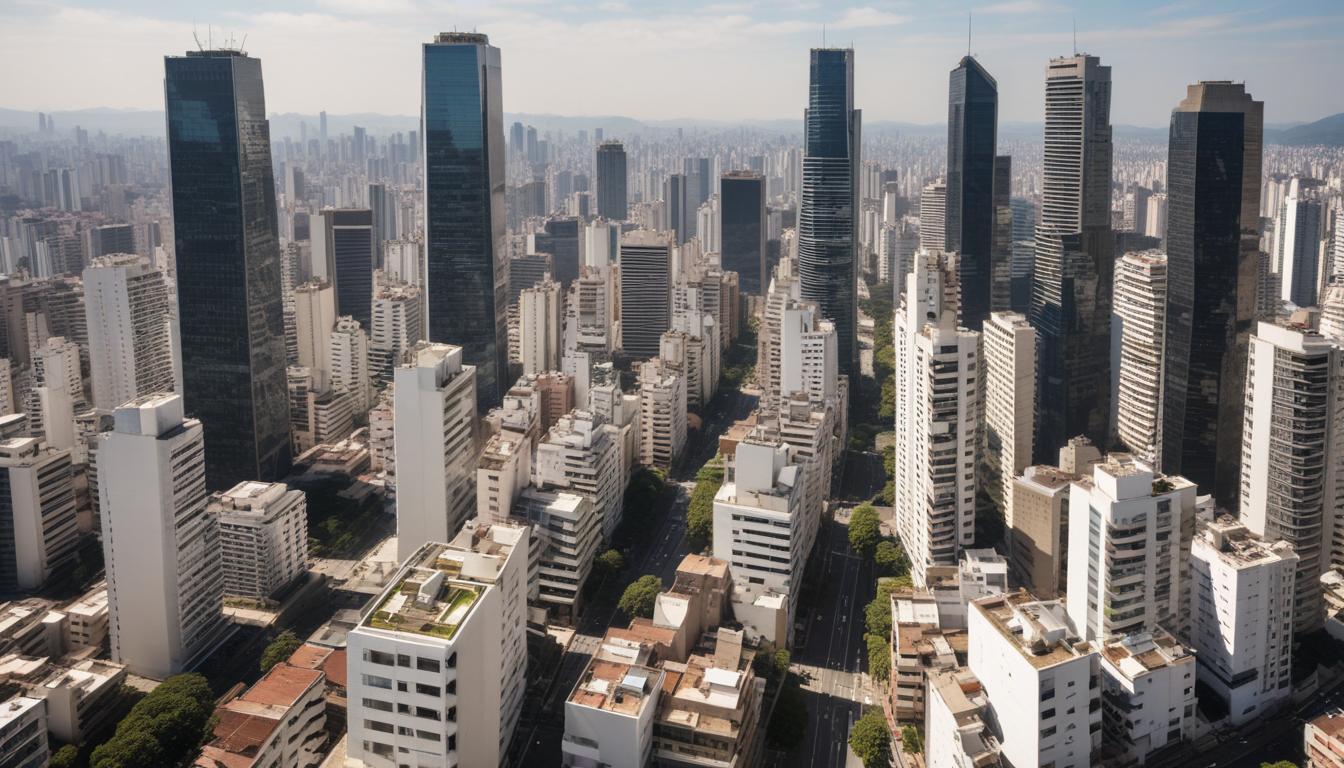
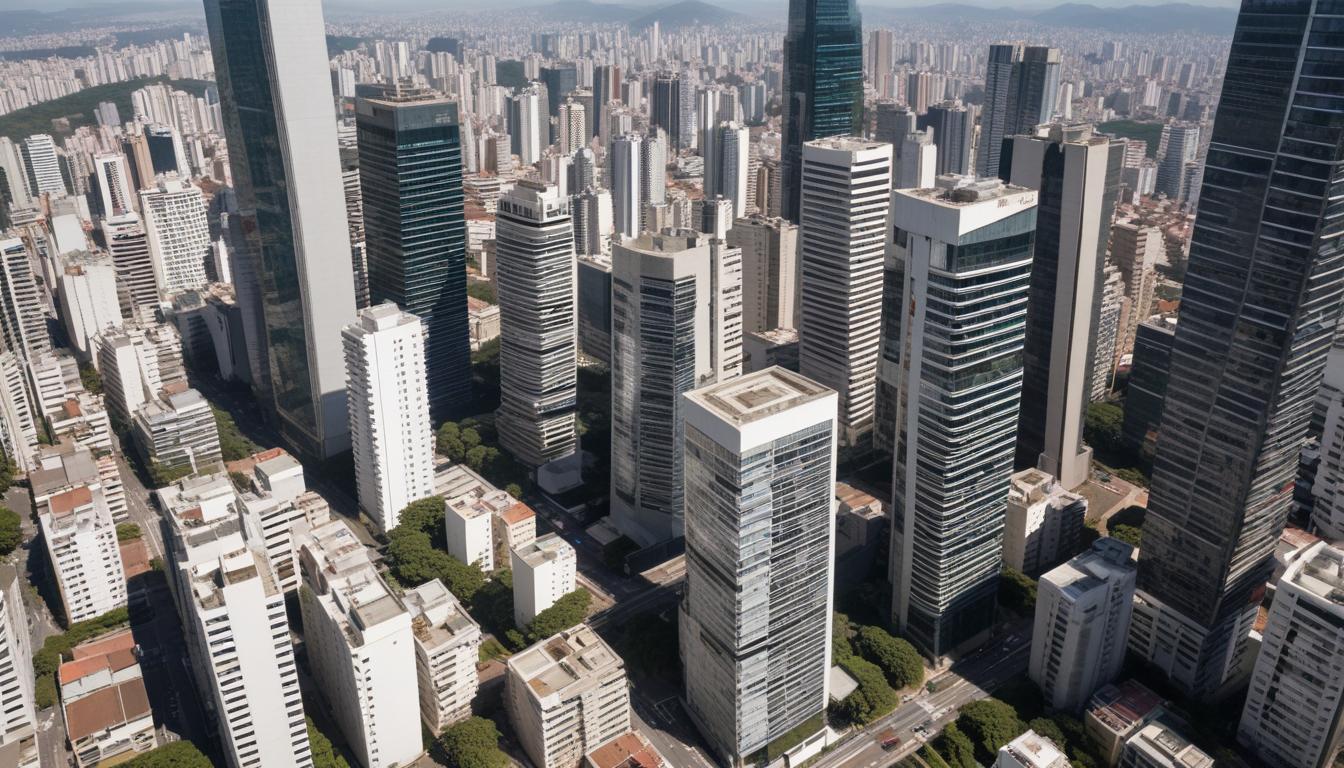
The transformation is unmistakable. Walk down Rua Aspicuelta in Vila Madalena on any weekday afternoon, and you'll see a landscape utterly transformed from five years ago. Co-working spaces have replaced bohemian galleries. Venture capital firms occupy sleek renovated townhouses. And the energy? Palpably different from the south zone's saturated corridors.
This westward shift in São Paulo's startup ecosystem represents one of the city's most significant real estate and innovation movements since the dotcom wave of the early 2000s. Property developers who secured land and converted warehouse spaces in Vila Madalena, Perdizes, and Pinheiros between 2023 and 2024 are now reporting occupancy rates exceeding 85%, with commercial rents climbing 18-22% year-over-year. For context, comparable spaces in traditional tech zones like Faria Lima command nearly 40% premiums over these emerging areas, making the arbitrage opportunity significant for landlords and operators alike.
The epicenter remains the recently expanded Garagem innovation hub near Praça Benedito Calixto, which now hosts over 180 startups—nearly double its capacity from just three years ago. Nearby, the newly launched District Ventures accelerator has already backed 14 companies with a combined valuation exceeding R$420 million. Meanwhile, institutional players including XP Investimentos and BTG Pactual have quietly established dedicated innovation investment desks within 2km of Avenida Consolação, signaling serious capital commitment to the area.
Early beneficiaries extend beyond real estate. Specialized service providers—from fintech integration consultants to sustainability auditors—are clustering strategically around these neighborhoods. Recruitment agencies focused on tech talent report that placement fees for mid-level engineering roles have increased 12% simply due to geographic clustering benefits. Local café chains and casual dining establishments catering to the younger founder demographic are expanding aggressively.
But the opportunity isn't unlimited. Regulatory bottlenecks around zoning exceptions for mixed-use spaces persist, and infrastructure strain on Vila Madalena's aging utilities may constrain further density. The São Paulo prefecture's updated Innovation District incentives program, announced in March, offers 10-year tax relief for businesses meeting specific R&D investment thresholds—a crucial catalyst, though implementation timelines remain uncertain.
For savvy investors and entrepreneurs, the window is open but narrowing. In 12-18 months, these neighborhoods will likely approach market equilibrium. Those positioning now—whether acquiring flexible office space, launching complementary services, or securing early-stage venture deals—stand to capture outsized returns as São Paulo's innovation center of gravity continues its westward migration.
This article was compiled by AI from the sources linked above and screened before publishing. See our editorial standards.