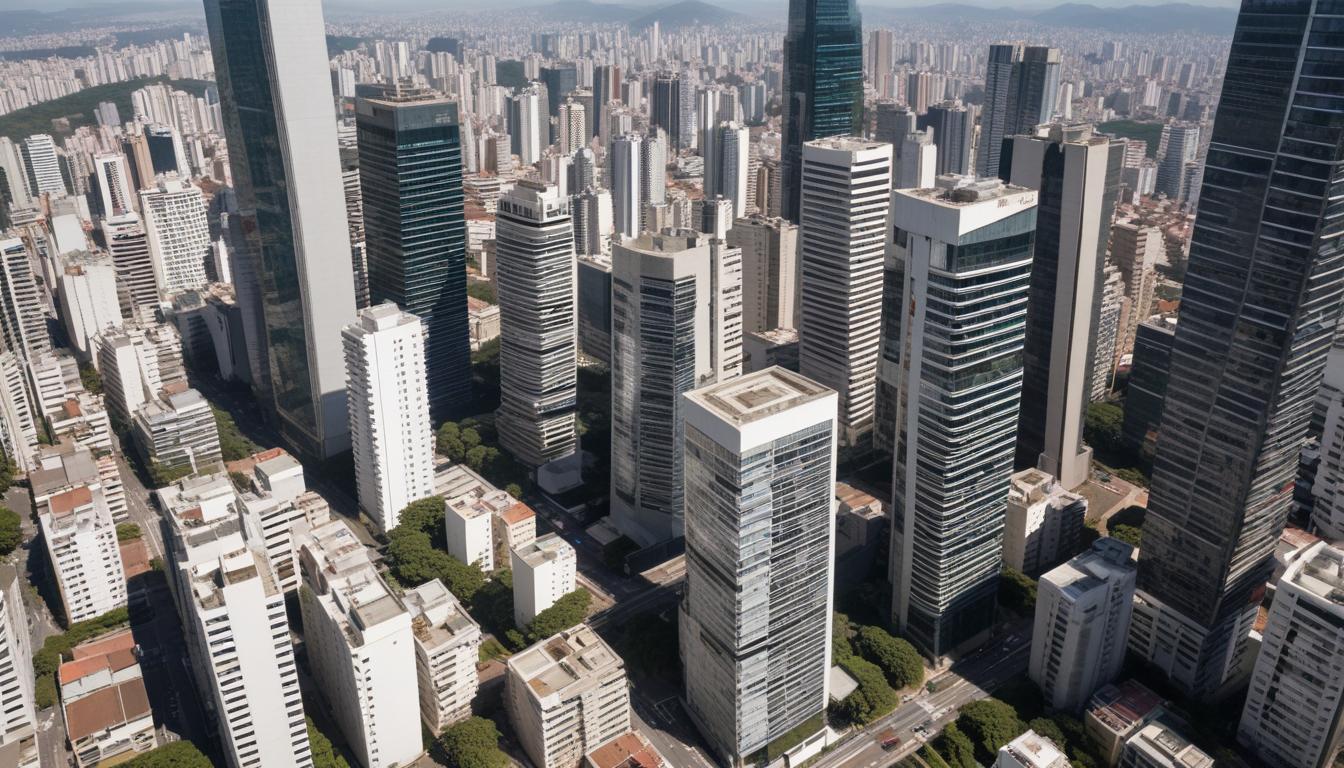
The transformation is visible on the ground. Walk down Rua Bandeira, in the heart of Pinheiros, and you'll see converted warehouses housing everything from artificial intelligence firms to fintech operations—spaces that would have been unthinkable as corporate offices just five years ago. This reshaping of São Paulo's business landscape is creating a parallel job market that's fundamentally different from the traditional banking and industrial sectors that once dominated the city's employment landscape.
The numbers tell a compelling story. Between 2023 and 2026, venture capital investment in São Paulo-based startups has grown at an average rate of 28% annually, according to recent industry tracking. This influx has created an estimated 12,000 new tech-focused positions, many offering salaries 15–20% higher than comparable corporate roles, yet with significantly more flexibility around remote work and location.
What's particularly striking is how this is fragmenting the talent market. Where São Paulo's business establishment once relied on a predictable pipeline—university recruitment from USP and PUC, then migration through the usual corporate hierarchy—startups are now poaching talent mid-career or hiring directly from bootcamps and online courses. Companies like those clustered around Vila Madalena's growing digital district are offering equity packages to junior developers, bypassing the credential-heavy gatekeeping that defined earlier hiring practices.
The geographic shift matters too. Traditionally, major employers concentrated around Avenida Paulista and the financial district. Today, Innovation districts in Pinheiros, Vila Madalena, and increasingly in the Zona Leste suburbs are creating new talent hubs. This decentralization has reduced commute times for thousands and created secondary job markets in neighbourhoods previously dependent on service sector work.
But tensions are emerging. Traditional corporations complain of talent drain, particularly among software engineers and product managers. Salaries for experienced developers in startup-heavy zones have risen 25–30% in two years, pushing up costs across the city's broader tech sector. Meanwhile, startups themselves face pressure to professionalize rapidly, often hiring senior corporate refugees to manage growing teams.
The job market fragmentation extends to benefits and stability. Startups offer equity and flexibility; corporations offer pensions and structured careers. For workers, this creates both opportunity and precarity. The proliferation of startup roles has genuinely expanded employment options for thousands of Paulistas, particularly those willing to accept higher risk for higher upside.
As innovation districts mature, São Paulo's talent market is less a single ecosystem than competing markets with different rules, rewards, and rhythms. That's reshaping not just who works where, but what work itself means in Brazil's largest city.
This article was compiled by AI from the sources linked above and screened before publishing. See our editorial standards.