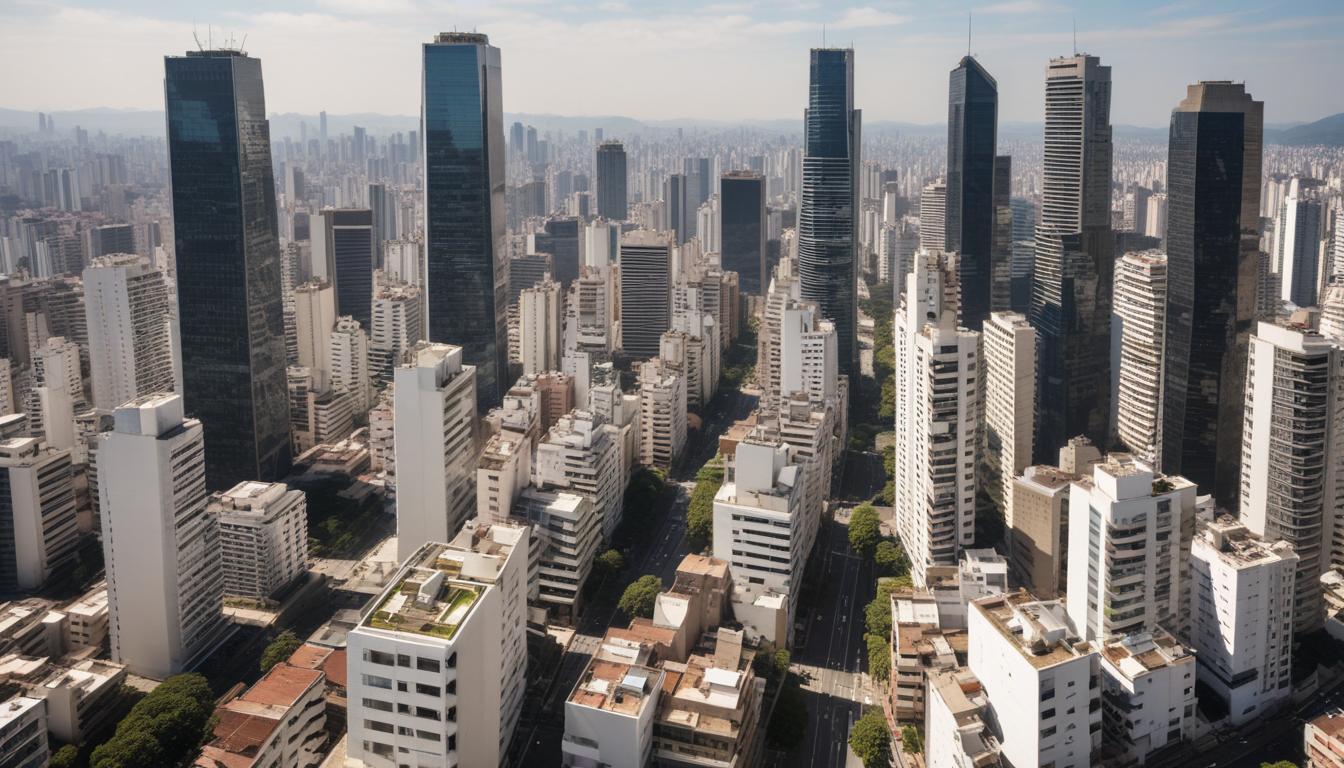
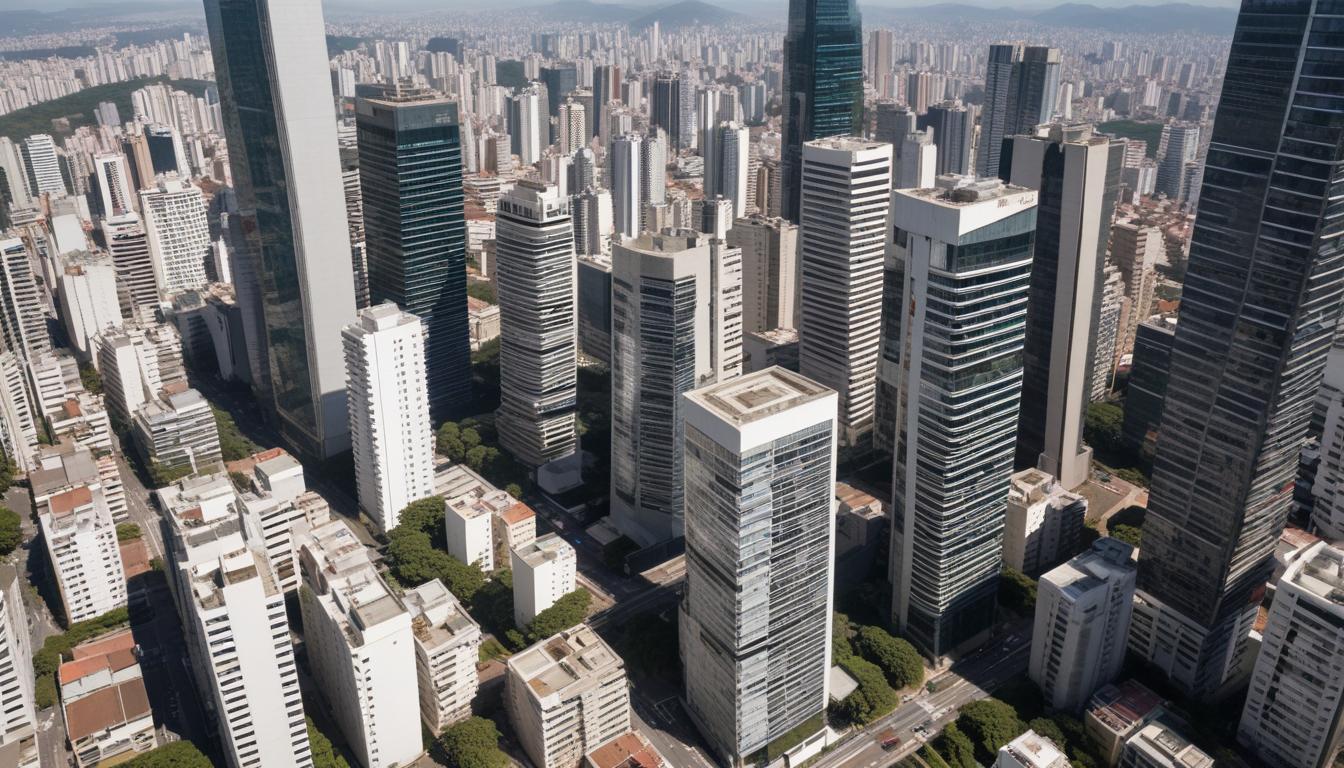
Walk down Avenida Paulista on any Tuesday morning and you'll see São Paulo's professional class moving with purpose. Yet beneath that polished surface, the employment landscape is shifting in ways that directly affect your household budget, job security, and future earning potential.
The numbers tell a sobering story. While unemployment in the São Paulo metropolitan area has technically fallen to around 7.5% this year, underemployment remains stubbornly high. Workers in neighbourhoods like Tatuapé and Itaquera are increasingly finding themselves in part-time roles or gig economy positions that offer neither benefits nor predictable income. Meanwhile, wage growth has barely kept pace with inflation, meaning your salary's purchasing power is quietly shrinking even if the number on your payslip hasn't moved.
Retail and hospitality—sectors that employ thousands across shopping districts like Pinheiros and around Imigrantes highway warehouses—are being reshaped by automation. Self-checkout systems, inventory management software, and delivery app algorithms are eliminating traditional full-time positions faster than new roles emerge. A clerk earning R$2,200 monthly five years ago now competes with workers willing to accept R$1,800 for similar responsibilities.
The services sector, which absorbs much of São Paulo's workforce, shows particular vulnerability. Accounting firms in Centro, logistics hubs near the ABC region, and customer service operations are consolidating roles. Companies report they're hiring fewer permanent employees and relying instead on contractors without job security or pension contributions.
Yet opportunity exists for those understanding these shifts. Tech skills—even basic digital literacy—now command substantial premiums. Workers in Vila Mariana's corporate offices who can navigate data analysis tools or digital marketing platforms are earning 30-40% more than peers without such capabilities. Educational institutions in neighbourhoods across the city are responding; demand for coding bootcamps and online certifications has surged.
For everyday residents, this means several practical realities. Job-hunting requires more strategic thinking than simply responding to postings. Building secondary income streams—whether through freelancing, side projects, or skills development—is becoming standard rather than exceptional. Your next role will likely be less permanent than your parents' careers, requiring flexibility and continuous learning.
The São Paulo job market isn't collapsing, but it is fragmenting. Those who understand these patterns—and adapt accordingly—will navigate confidently. Those who don't risk being squeezed between wage stagnation and rising expenses for rent, food, and transport across the metropolitan area.
This article was compiled by AI from the sources linked above and screened before publishing. See our editorial standards.