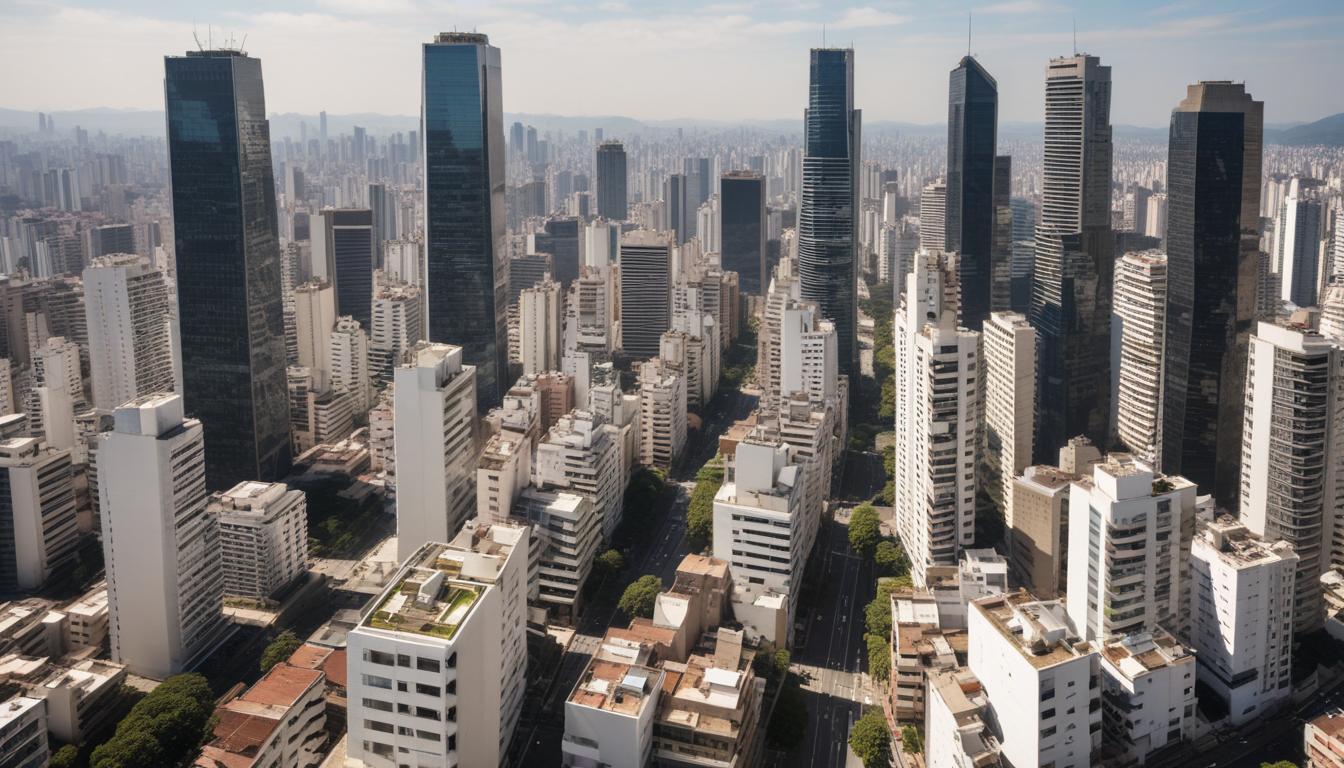
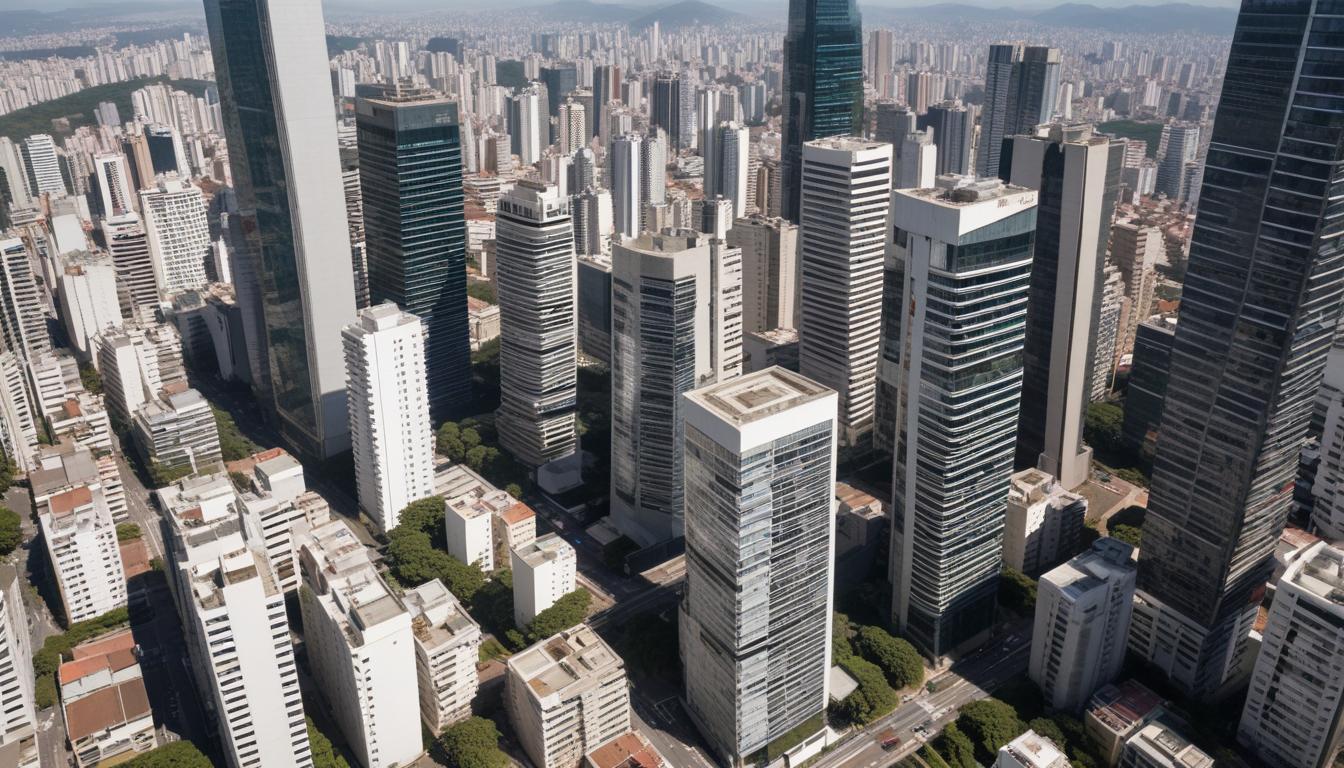
São Paulo's Tourism Sector Faces Perfect Storm of Economic and Security Headwinds in 2026
Rising crime rates, currency volatility and international travel caution are threatening recovery in Latin America's largest city.
Rising crime rates, currency volatility and international travel caution are threatening recovery in Latin America's largest city.
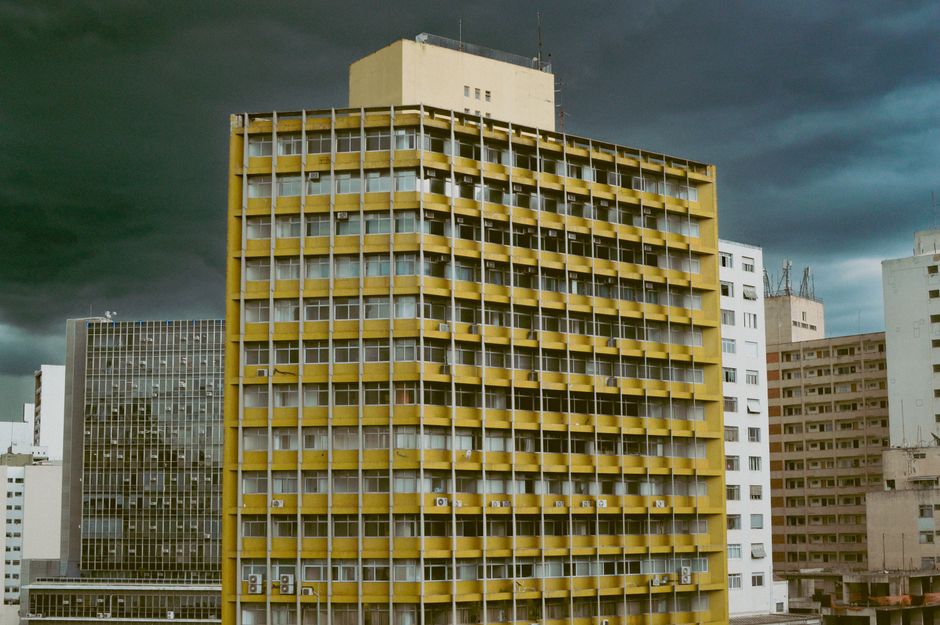
São Paulo's tourism industry is navigating treacherous waters this year, with hotel occupancy rates in neighbourhoods like Vila Mariana and Pinheiros sliding below historical averages even as the Southern Hemisphere winter season typically drives demand for the city's cultural attractions.
The challenges are multifaceted and acute. International visitor numbers to the city have declined roughly 12 percent year-on-year through June, according to data from the São Paulo Tourism Board, a sharp reversal from the modest recovery seen in 2024 and 2025. Currency headwinds—the real's depreciation against the dollar making Brazilian travel a harder sell in North American and European markets—represent only part of the problem.
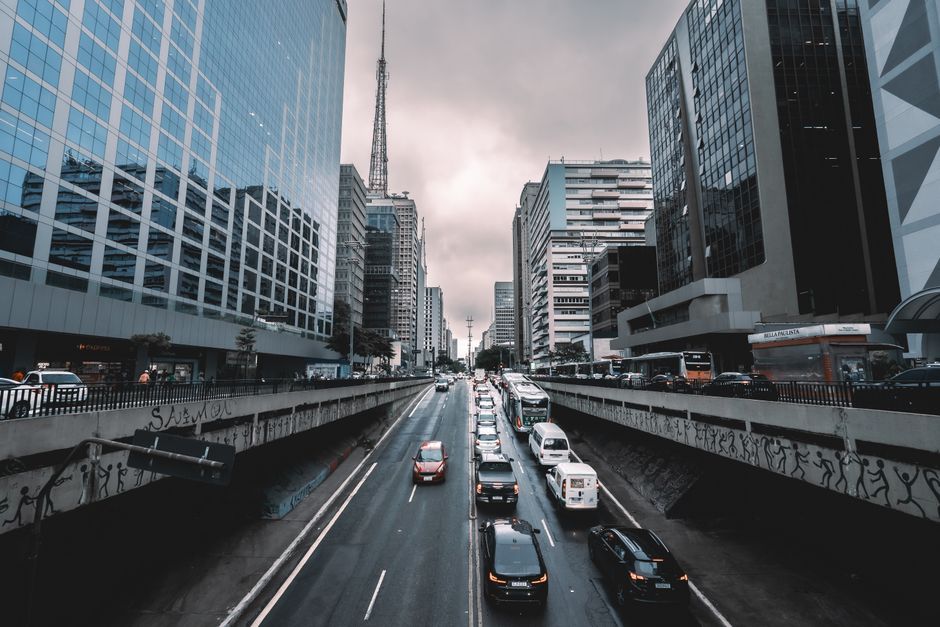
Security concerns have become a stubborn barrier. High-profile armed robberies targeting tourists in central areas near Avenida Paulista and around the Pinacoteca do Estado have generated international media coverage that dampens bookings months in advance. Hotels across the Consolação district report cancellation rates approaching 18 percent, a dramatic spike. Airlines serving Congonhas and Guarulhos airports have reported softer international bookings, with several European carriers reducing flight frequency.
"We're competing against cities perceived as safer," explains business travel specialist at major São Paulo convention centre, where bookings for corporate events have contracted by roughly 8 percent. The city's convention industry—typically a reliable revenue driver—has absorbed particular damage as multinational corporations reroute events to Rio de Janeiro and even smaller Brazilian alternatives.
Restaurant and hospitality venues in neighbourhoods like Jardins and Vila Olimpia, which depend heavily on tourist traffic, are adjusting pricing downward and cutting staff hours. Premium hotel rates in the city's five-star corridor have compressed by up to 15 percent since early 2025, suggesting fierce competition for a shrinking guest base.
The economic backdrop complicates recovery prospects. Domestic tourists—traditionally São Paulo's secondary market—are themselves constrained by inflationary pressures and interest rates hovering near 10 percent, dampening weekend getaway demand. Tour operators report reduced packages to iconic venues like MASP and the Museu do Ipiranga.
Some industry voices remain cautiously optimistic about recovery in the final quarter, banking on improved security messaging and targeted marketing campaigns. But with international travel sentiment volatile globally and persistent domestic economic headwinds, São Paulo's tourism recovery timeline has shifted meaningfully backward. Recovery to pre-2024 levels now appears unlikely before late 2027.
This article was compiled by AI from the sources linked above and screened before publishing. See our editorial standards.
How does this story make you feel?
Spread the word
About this article
Published by The Daily São Paulo
Daily brief
Free, in your inbox before 7am. Weekdays.
More in Business