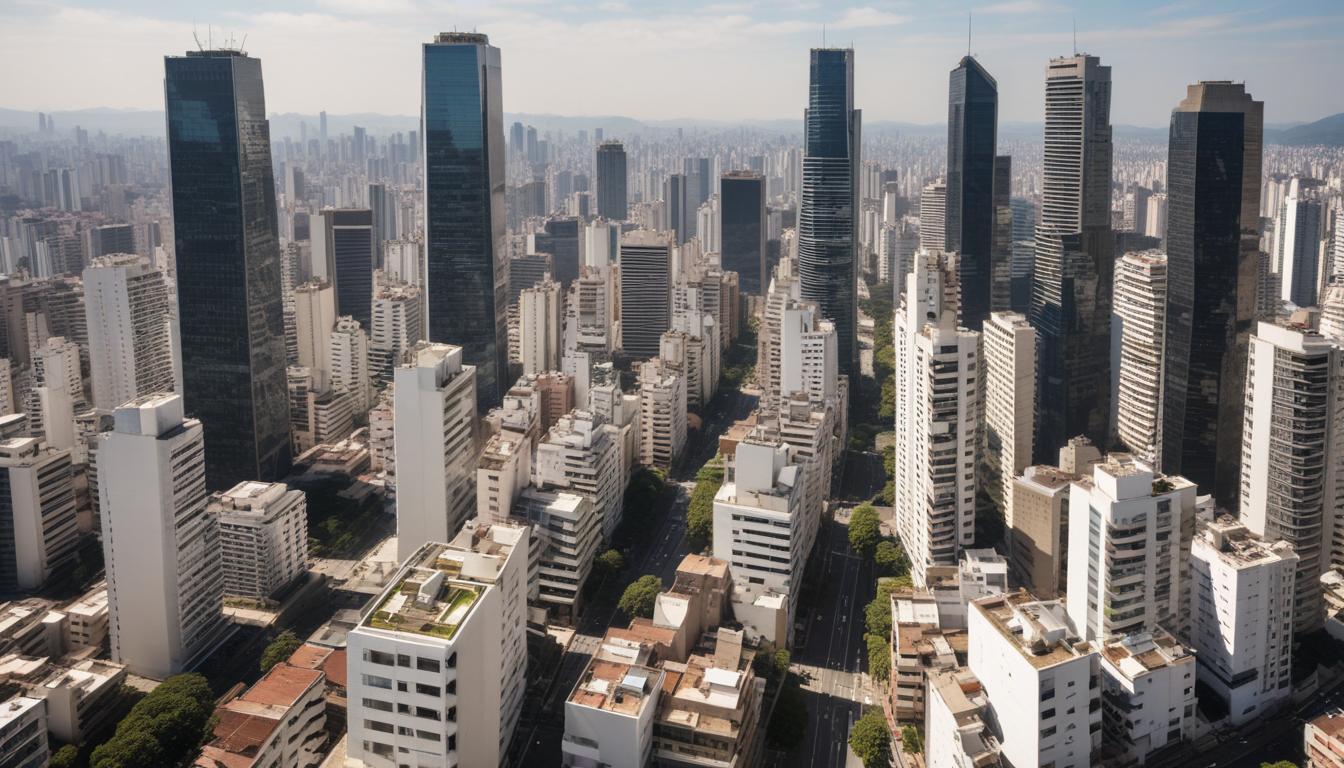
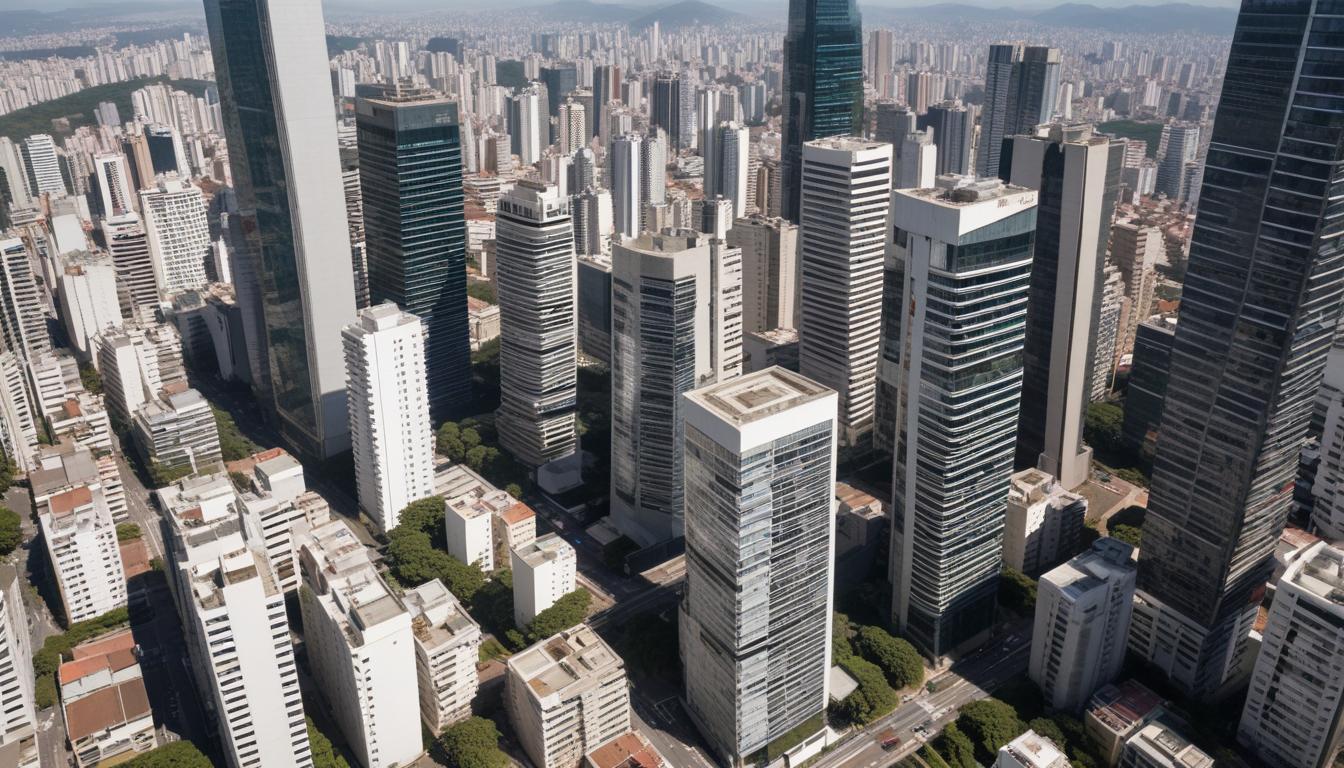
São Paulo's commercial property landscape is undergoing its most significant transformation in a decade, driven by persistent shifts in how companies view office space. For business leaders and investors navigating Avenida Paulista, Pinheiros, and Vila Mariana, understanding these market dynamics has become essential to making sound real estate decisions.
The numbers tell a striking story. Average office rents in prime locations have stabilised around R$150-180 per square metre monthly—up modestly from last year but far below what many feared during the pandemic exodus. However, vacancy rates remain stubbornly elevated at approximately 12-15% across the central business districts, signalling that not all space is equally valuable. Premium, modern buildings with flexible floor plans command premiums, while older stock struggles to attract tenants.
The hybrid work phenomenon continues reshaping demand. Companies increasingly favour smaller, high-quality offices clustered in lifestyle-rich neighbourhoods rather than sprawling traditional campuses. Pinheiros and Vila Madalena have emerged as unexpected winners, with several multinational firms establishing satellite hubs there. Meanwhile, traditional strongholds along Avenida Paulista face pressure to reinvent or risk prolonged vacancy.
What matters most right now? Flexibility. Landlords who offer shorter lease terms—18 to 36 months rather than the traditional five-year agreements—are filling space faster. Companies that locked in long-term commitments before 2023 are increasingly seeking subleasing options or renegotiations, indicating cautious optimism rather than robust expansion plans.
Sustainability credentials have moved from nice-to-have to essential. Buildings with LEED certification or equivalent environmental standards command 8-12% rental premiums. Major corporations, particularly those in finance and technology, now treat energy efficiency and ESG compliance as non-negotiable criteria. This shift is forcing owners of Class B and C properties to invest in upgrades or accept lower occupancy rates.
The micro-location factor cannot be overstated. Proximity to metro stations, quality restaurants, and residential areas now heavily influences leasing decisions. Properties within 500 metres of Consolação, Brigadeiro, or Vila Mariana metro stations have experienced faster absorption than those requiring car dependence.
For decision-makers, three takeaways emerge: First, the days of accepting poor-quality space at premium prices are over. Second, flexibility in lease terms has become a competitive advantage. Third, location quality extends beyond traditional prestige addresses—emerging neighbourhoods with lifestyle amenities increasingly matter.
The market rewards specificity and adaptability. Companies that clearly understand their space needs—and landlords who listen—will thrive in São Paulo's recalibrated commercial real estate environment.
This article was compiled by AI from the sources linked above and screened before publishing. See our editorial standards.