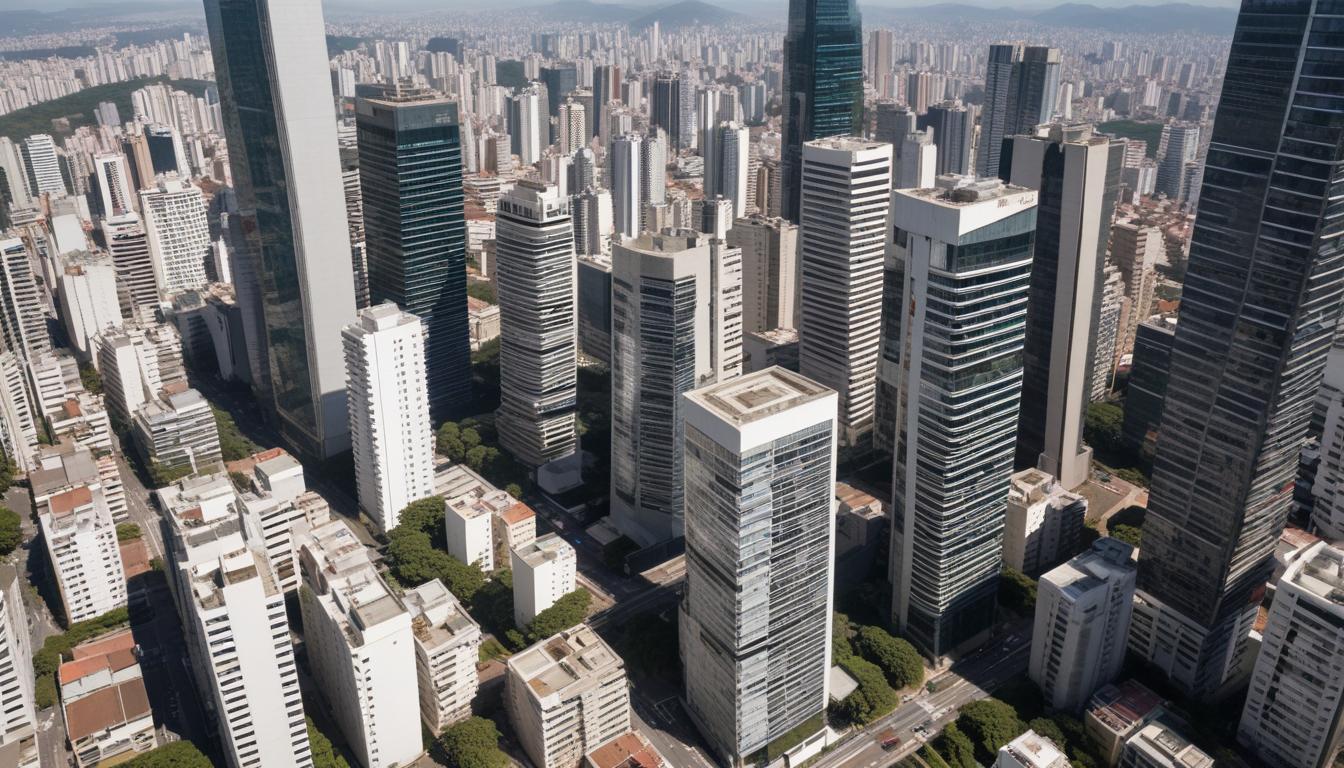
São Paulo's employment market is undergoing its most significant realignment in a decade, forcing companies across Avenida Paulista and beyond to rethink recruitment, retention and workforce strategy. The changes rippling through Brazil's economic engine offer both opportunity and urgency for local businesses navigating mid-2026.
The most visible shift is the westward migration of technology talent. Companies headquartered in the Vila Mariana and Pinheiros corridors report that junior developers and engineers increasingly reject São Paulo salaries for remote positions or opportunities in secondary cities offering lower living costs. Local tech recruiters confirm that salaries for mid-level software engineers have plateaued at approximately R$12,000–R$16,000 monthly—insufficient to retain talent when Florianópolis and Brasília offer comparable pay with significantly cheaper accommodation and quality-of-life advantages.
Meanwhile, the service sector faces a contrasting pressure: automation. Hotels, restaurants and retail operations along Rua Oscar Freire and around Ibirapuera are rapidly deploying self-checkout systems, AI-powered customer service, and automated kitchen equipment. Employment in hospitality has contracted by roughly 8 percent year-over-year, according to preliminary DIEESE data, forcing displaced workers into retraining programs or lower-wage informal sectors.
Financial services—historically São Paulo's employment bedrock—are stabilizing but not expanding. Major banking operations in the Centro and Itaim districts have maintained headcount while accelerating digital transformation. The city's insurance and fintech clusters continue recruiting specialized talent, yet generalist administrative roles continue disappearing.
Healthcare and education represent bright spots. Private hospitals and universities are actively hiring nurses, technicians, and educators, with wages rising 4–6 percent annually. This sector offers relative insulation from automation and demographic trends supporting expanded demand.
For businesses, the implications are stark. Recruitment teams must compete harder for technical talent, likely accepting remote work arrangements previously considered unthinkable. Simultaneously, companies reliant on lower-skill service labor must evaluate automation investments carefully—the math increasingly favors investment in technology over traditional hiring.
Salary expectations overall remain volatile. General administrative positions in mid-market companies average R$3,500–R$5,200; specialized roles command premiums of 30–50 percent. However, benefits packages—flexible arrangements, mental health support, professional development—are becoming decisive factors for job-seekers aged 25–40, the demographic most likely to change employers.
Businesses operating in São Paulo should treat this moment as transitional. The city remains Brazil's premier employment hub, but competitive advantage increasingly depends on adaptability: embracing remote teams, investing in workforce upskilling, and recognizing that traditional retention strategies no longer suffice in a market where talent holds unprecedented leverage.
This article was compiled by AI from the sources linked above and screened before publishing. See our editorial standards.