The commercial pulse of São Paulo is shifting beneath entrepreneurs' feet. From the bustling Rua 25 de Março to the upscale boutiques of Vila Madalena, small business owners are navigating a landscape reshaped by inflation, digital disruption, and evolving consumer behaviour that demands immediate strategic responses.
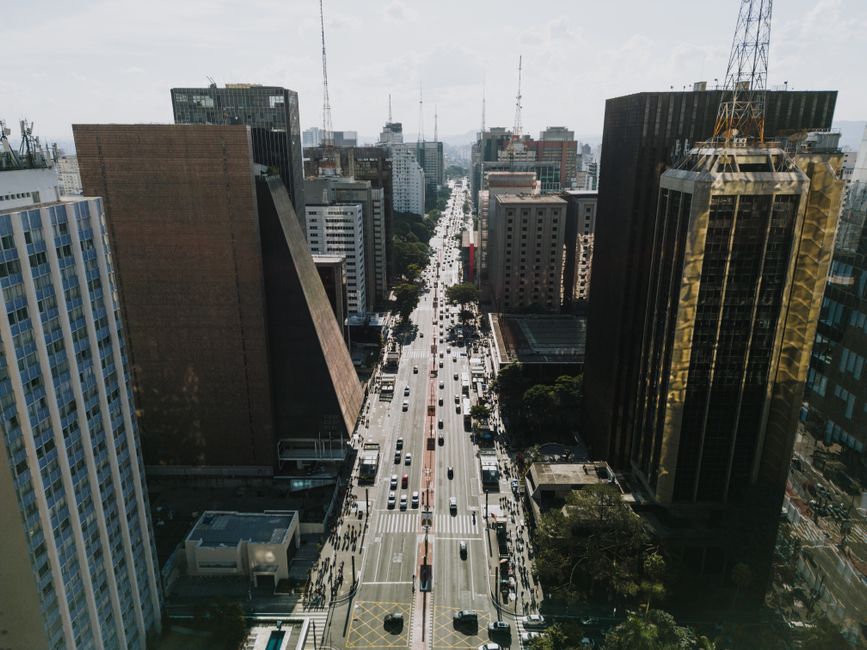
Data from the São Paulo Federation of Commerce shows that operational costs for small retailers have climbed 18% year-over-year, with rent and utilities consuming an increasingly larger share of margins. For shop owners along Avenida Paulista and in the Pinheiros neighbourhood, landlords are demanding premium rates, forcing many to reconsider their physical footprint or diversify into e-commerce channels they previously avoided.
The trend is particularly acute in traditional retail sectors. Clothing stores in the Bom Retiro district report that foot traffic has declined 22% compared to last year, while online sales channels have grown correspondingly. Entrepreneurs who've successfully implemented omnichannel strategies—linking physical storefronts with Instagram shops and marketplace presence—report stabilising revenues despite headwinds.
Service-based businesses face different pressures. Restaurants and cafés across Consolação and Santa Cecília are contending with labour shortages that have pushed wage expectations up 12-15%, even as customer spending remains cautious. Menu engineering and operational efficiency have become survival skills rather than optimisation strategies.
Meanwhile, specialisation is proving more resilient than broad-based retail. Niche entrepreneurs in sectors like sustainable products, artisanal food production, and digital services report stronger performance. The success of markets like the weekly craft fair in Largo da Batata demonstrates consumer appetite for curated, authentic offerings—a lifeline for businesses that can differentiate themselves.
Credit access remains another critical challenge. Small business loans through traditional banks typically carry interest rates exceeding 20% annually, pushing entrepreneurs toward fintech solutions and crowdfunding platforms. Those managing cash flow strategically are negotiating extended payment terms with suppliers and implementing inventory management systems to reduce working capital requirements.
The consensus among business associations is clear: adaptability matters more than scale right now. Entrepreneurs attending recent workshops at the São Paulo Chamber of Commerce noted that success increasingly depends on three factors: understanding your customer's shifting preferences, optimising cost structures ruthlessly, and maintaining financial flexibility.
For São Paulo's small business community, June 2026 marks a turning point. The businesses thriving aren't necessarily the oldest or largest—they're the ones willing to evolve rapidly, embrace digital tools pragmatically, and stay laser-focused on genuine customer needs rather than operational inertia.
This article was compiled by AI from the sources linked above and screened before publishing. See our editorial standards.