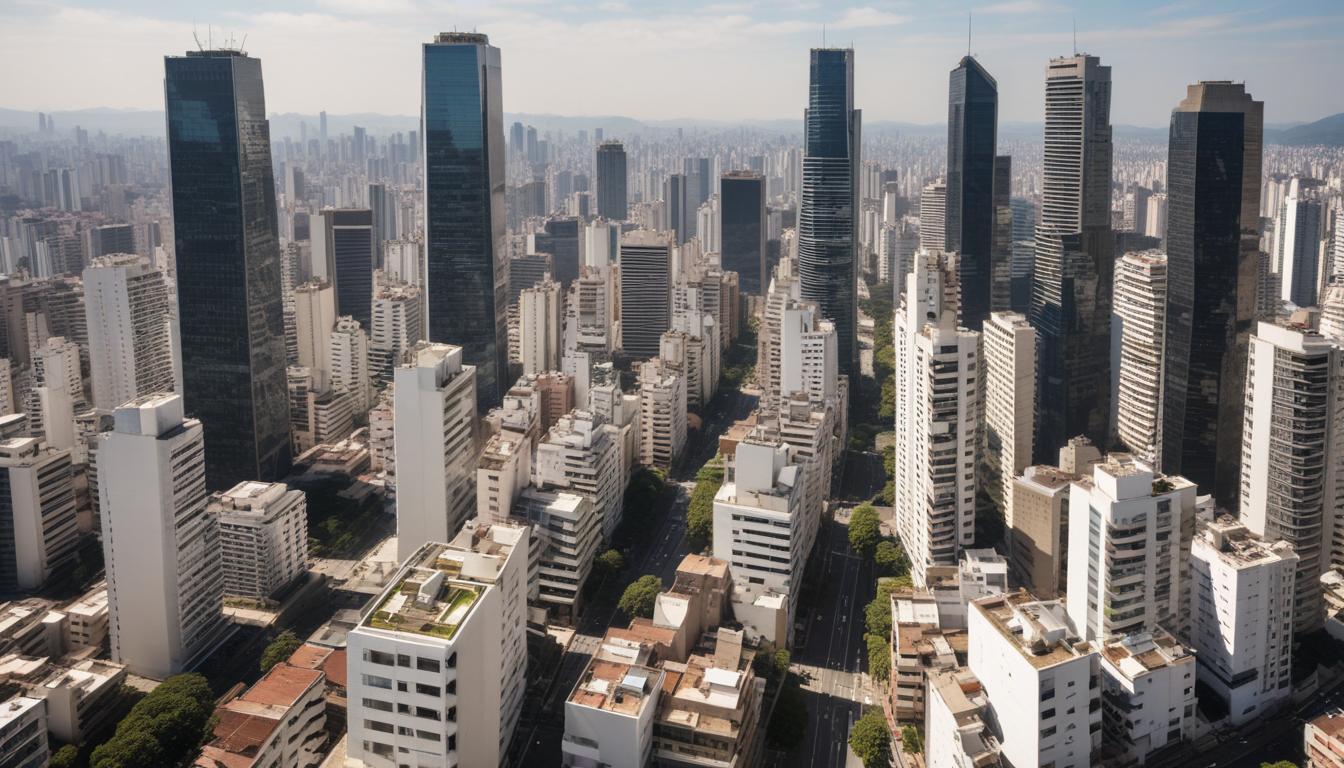
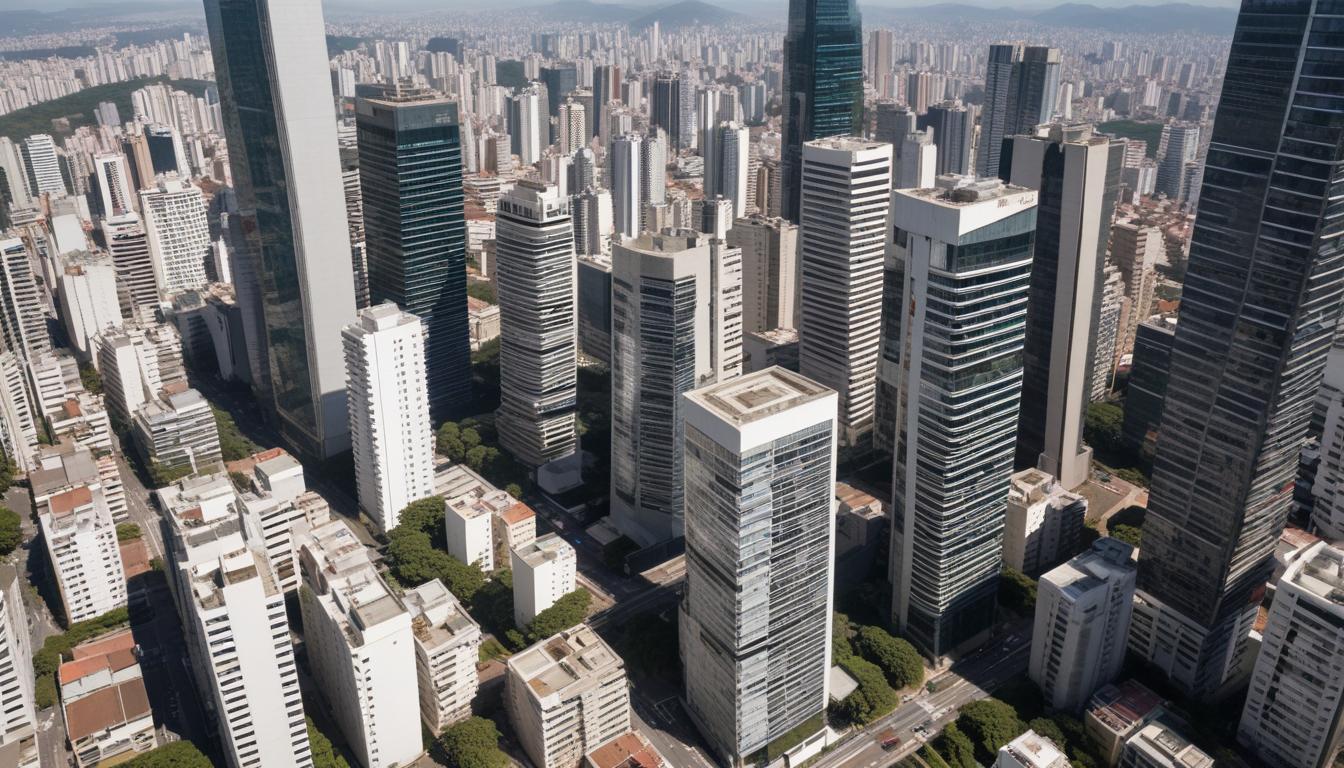
Walk through the gleaming office towers along Avenida Paulista and you'll see the anxiety written across hiring managers' faces. As geopolitical tensions simmer globally—from Middle East conflict to African disease outbreaks disrupting supply chains—São Paulo's business community is recalibrating its employment strategy in real time.
The impact is tangible. According to recent data from the São Paulo Chamber of Commerce, companies operating in the financial and logistics sectors have reduced new hiring projections by 12 percent compared to last year, with international uncertainty cited as the primary factor. Those working in Pinheiros and Vila Mariana tech hubs report clients delaying expansion plans until the geopolitical fog clears.
"We're seeing a flight to stability," explains a recruitment specialist at a major consultancy near Ibirapuera Park, speaking on condition of anonymity. Companies that typically recruited aggressively are now freezing positions, requesting remote-work arrangements to reduce operational risk, and shifting focus toward retaining experienced staff rather than building new teams.
The energy sector tells a particularly revealing story. With Middle East tensions affecting oil prices and supply-chain disruptions rippling through ports like Santos, Brazilian petrochemical and industrial companies—major employers across greater São Paulo—are cautiously reassessing expansion timelines. This hesitation trickles down: suppliers, logistics firms, and service providers throughout the Zona Leste industrial corridor report softer demand.
Interestingly, certain sectors are thriving amid the chaos. Cybersecurity firms, whose offices cluster around Rua Augusta, report 18 percent year-on-year growth in hiring. Similarly, companies specializing in supply-chain resilience and domestic sourcing solutions are actively recruiting skilled professionals, with salaries in these fields rising 6-8 percent as competition intensifies.
The wage picture remains mixed. While junior positions in traditional sectors stagnate—entry-level administrative roles near Avenida Brasil still hover around R$2,800-3,200 monthly—specialized roles command premiums. Middle managers with expertise in geopolitical risk mitigation or alternative sourcing strategies can expect 15-20 percent increases.
Small and medium enterprises, the backbone of São Paulo's economy, face the toughest squeeze. Without the financial buffers of multinational corporations, they're trimming hiring freezes and shifting toward outsourced, project-based work rather than permanent positions. The gig economy continues expanding accordingly.
As June 2026 unfolds, São Paulo's employment landscape reflects a global economy in flux. Local businesses aren't simply hiring or firing—they're strategizing for survival in an unstable world, reshaping how work gets done in Latin America's largest metropolis.
This article was compiled by AI from the sources linked above and screened before publishing. See our editorial standards.