São Paulo Residents Cut Stress 40% With These Science-Backed Mindfulness Techniques
From Ibirapuera's green spaces to managing rush hour anxiety, here's what neuroscience says will genuinely help your mental health in São Paulo.
From Ibirapuera's green spaces to managing rush hour anxiety, here's what neuroscience says will genuinely help your mental health in São Paulo.
Listen to this article · 3:47
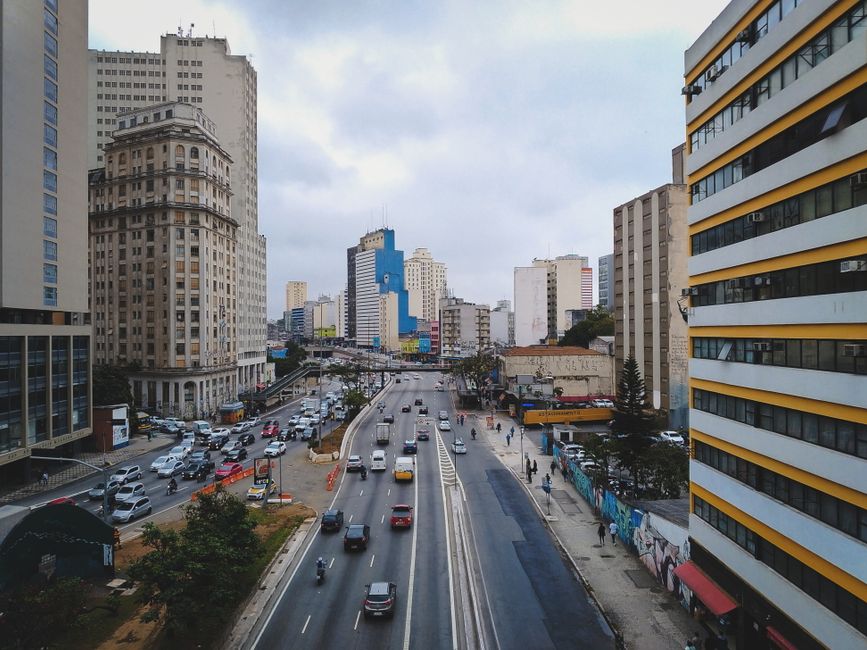
São Paulo's relentless pace—with an average commute time of 1 hour and 45 minutes according to recent municipal data—creates a unique mental health challenge. But neuroscience offers practical solutions specifically suited to our urban reality.
The evidence is clear: nature exposure reduces cortisol levels by up to 21 percent within 20 minutes. For paulistas, this means Ibirapuera Park isn't just beautiful—it's medicine. The park's 1,584 hectares of green space, free to access, offers what researchers call "restorative environments." Even a 15-minute lunch break walk among the Museu do Ipiranga gardens or along the park's cycling paths can measurably lower your stress response. Make it non-negotiable: schedule it like any important meeting.
For those stuck in Vila Mariana or Pinheiros traffic, grounding techniques—simple sensory exercises—provide immediate relief. The 5-4-3-2-1 method (notice 5 things you see, 4 you can touch, 3 you hear, 2 you smell, 1 you taste) works because it anchors your brain in the present moment rather than anxiety about delays. This takes three minutes and requires nothing but attention.
Breathwork specifically combats São Paulo's air quality anxiety. Studies show box breathing—breathing in for 4 counts, holding for 4, exhaling for 4—activates your parasympathetic nervous system within minutes. Apps like Insight Timer (free version available) offer guided sessions. The science is reproducible across populations and climates.
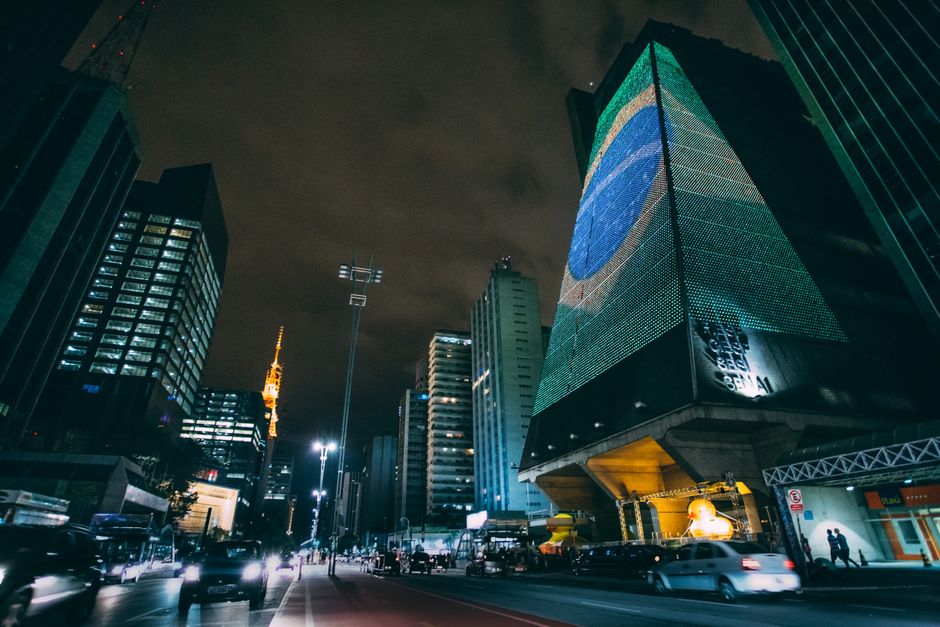
Sleep remains non-negotiable. São Paulo's high pollution levels and late-night culture (our city's nightlife traditionally runs until 3 a.m.) disrupt circadian rhythms. Research shows consistent bedtimes matter more than duration. Aim for 7-8 hours with a fixed schedule, even on weekends—particularly important for shift workers across our 24-hour economy.
Community connection matters more than isolation-based practices. São Paulo's thriving café culture in Pinheiros and Vila Madalena isn't frivolous—social connection reduces anxiety by 32 percent in longitudinal studies. Regular coffee meetups with friends provide mental health benefits comparable to formal therapy for mild to moderate stress.
Finally, professional support is essential when self-directed strategies fail. Hospital das Clínicas offers world-class psychiatric care, though waitlists are substantial. Organizations like Centro de Valorização da Vida (CVV) provide free crisis support via phone.
Mental wellness in São Paulo isn't about escaping our intensity—it's about managing it strategically, using evidence-based tools that fit our specific urban environment. Start with one practice. Build from there.
This article was compiled by AI and screened before publishing. See our editorial standards.
How does this story make you feel?
Spread the word
About this article
Published by The Daily São Paulo
Daily brief
Free, in your inbox before 7am. Weekdays.
More in Wellness