When global wellness platforms started tracking outdoor running trends in 2024, São Paulo emerged as an unexpected leader. Data from fitness apps showed the city ranked among the top ten worldwide for trail running activity, yet the movement remains largely organic, driven by local communities rather than international chains.
The numbers tell a compelling story. Ibirapuera Park, the city's 158-hectare green lung in Vila Mariana, now hosts an estimated 15,000 runners weekly—double the figure from 2022. Meanwhile, the Pinheiros riverside trail system, stretching from the Ponte do Morumbi toward Vila Madalena, has become a weekday destination for professionals squeezing fitness into lunch breaks, a phenomenon mirrored in Copenhagen and Barcelona but distinctly São Paulo in execution.
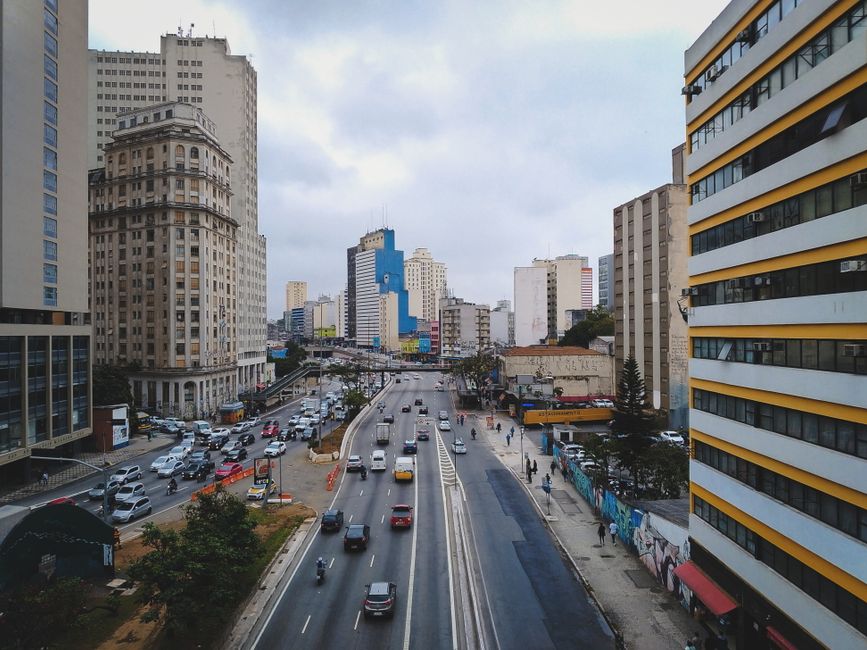
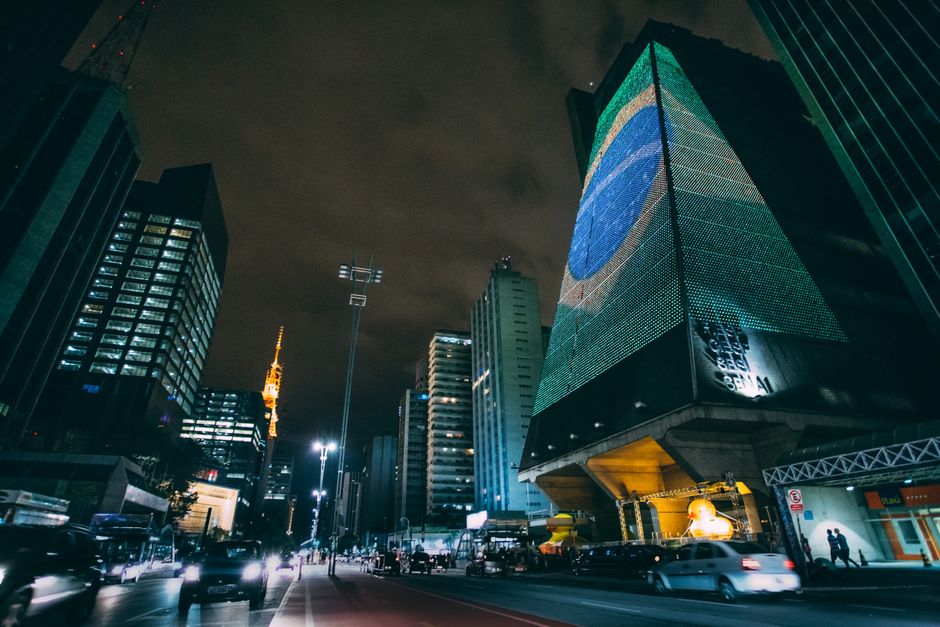
What sets local uptake apart from global wellness trends is accessibility and informality. While European cities invested heavily in curated trail infrastructure, São Paulo's running culture flourished through grassroots Strava communities and WhatsApp groups. The Avenida Paulista Sunday cycling phenomenon—drawing 20,000+ participants weekly—created a cultural permission structure for outdoor fitness that transcended traditional gym membership models.
The economic angle differs markedly too. Premium running apps and guided trail experiences dominate in North American markets, where subscription wellness models charge €15–25 monthly. São Paulo's equivalent—local running clubs meeting at spots like Parque da Juventude in Zona Norte or the Tamanduateí trail in Santo Amaro—operate largely on donation or minimal fee bases, making barrier-to-entry negligible.
Infrastructure investment has followed participation growth. The São Paulo City Hall allocated resources toward trail maintenance on the Marginal Pinheiros paths in 2025, acknowledging what runners already knew: accessible outdoor fitness drives broader public health outcomes.
Yet challenges persist. Urban density, air quality fluctuations, and safety concerns in certain neighbourhoods mean São Paulo's trail culture remains clustered in affluent zones. This contrasts with Berlin or Toronto, where municipal funding ensured equitable trail distribution across socioeconomic lines.
What's genuinely remarkable is that São Paulo achieved this outdoor fitness momentum without the top-down programming that characterizes global wellness capitals. Hospital das Clínicas researchers recently noted increased preventative care uptake correlating with rising outdoor activity—suggesting the city's organic running boom may deliver public health dividends comparable to strategically planned international initiatives.
As global wellness trends increasingly emphasize community-driven fitness over commercialized solutions, São Paulo appears accidentally ahead of the curve.
This article was compiled by AI and screened before publishing. See our editorial standards.