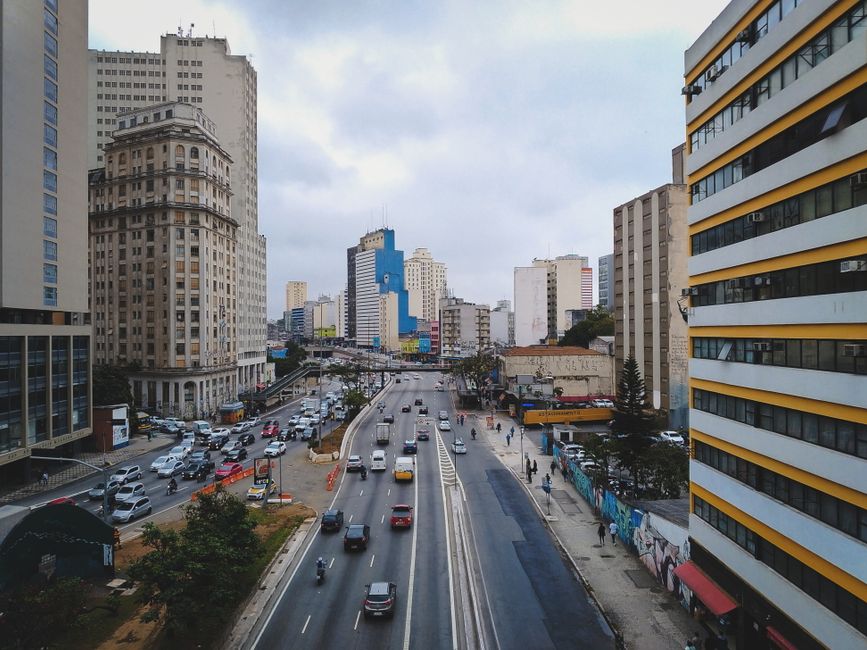
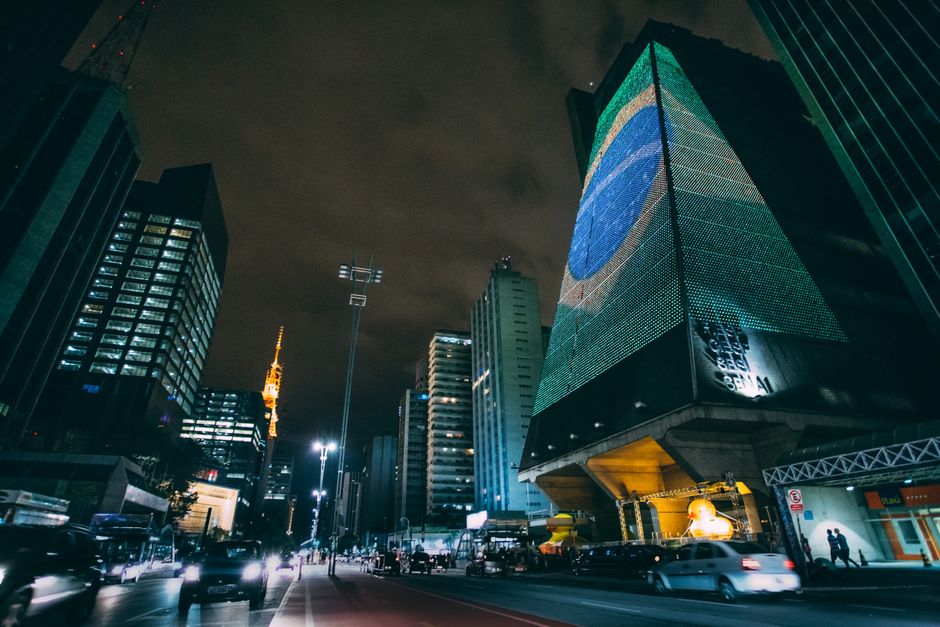
In the leafy streets of Vila Mariana, near Hospital das Clínicas, a quiet revolution is unfolding. Over the past three years, yoga studios and meditation centres have become as common as the coffee shops dotting Avenida Paulista, yet their impact runs far deeper than wellness trends typically allow.
The transformation is measurable. According to wellness centres operating across São Paulo's South Zone, participation in regular yoga and meditation classes has increased by approximately 40% since 2023. Classes that once drew a handful of practitioners now overflow, with studios in neighbourhoods like Pinheiros and Jardim Paulista reporting waiting lists for evening sessions. Prices range from R$150 to R$300 per month for unlimited classes, making structured practice accessible beyond elite demographics.
What makes these community stories compelling isn't the Instagram-ready aesthetics of downward dogs against urban skylines—though Ibirapuera Park certainly hosts plenty of that on weekend mornings. Rather, it's the ordinary people discovering that consistent practice addresses genuine health challenges. Residents report improved sleep quality, reduced anxiety around work pressures, and better management of chronic stress conditions. Many have reduced their reliance on pharmaceutical interventions, working alongside professionals at facilities like Hospital das Clínicas who increasingly recognize meditation's role in integrated care.
The accessibility factor matters. Beyond traditional studios, community centres in neighbourhoods like Belém and Tatuapé now offer subsidized classes, while the growing café culture along Rua Oscar Freire incorporates wellness spaces where practitioners gather post-session. Some corporate wellness programmes across São Paulo's business district have begun integrating meditation into their offerings, recognizing productivity gains and reduced absenteeism.
Ibirapuera Park itself has become an informal hub. Sunday mornings draw hundreds to the green spaces, many practising solo or in informal groups, while organized sessions operate near the park's cultural pavilions. This democratization—moving yoga from exclusive studios to public spaces—reflects a broader cultural shift in how the city approaches holistic health.
Local yoga teachers emphasize that the transformation isn't mystical. It's neuroscience: regular meditation measurably reduces cortisol levels, improves emotional regulation, and builds resilience against chronic stress. For São Paulo residents navigating intense professional environments and urban complexity, these aren't luxuries—they're pragmatic health tools.
As the city continues to invest in wellness infrastructure, these community stories suggest a maturation of health consciousness. Not everyone becomes a dedicated practitioner, but many discover that consistent, accessible yoga and meditation provide tangible improvements to their daily lives—right here in their own neighbourhoods.
This article was compiled by AI and screened before publishing. See our editorial standards.