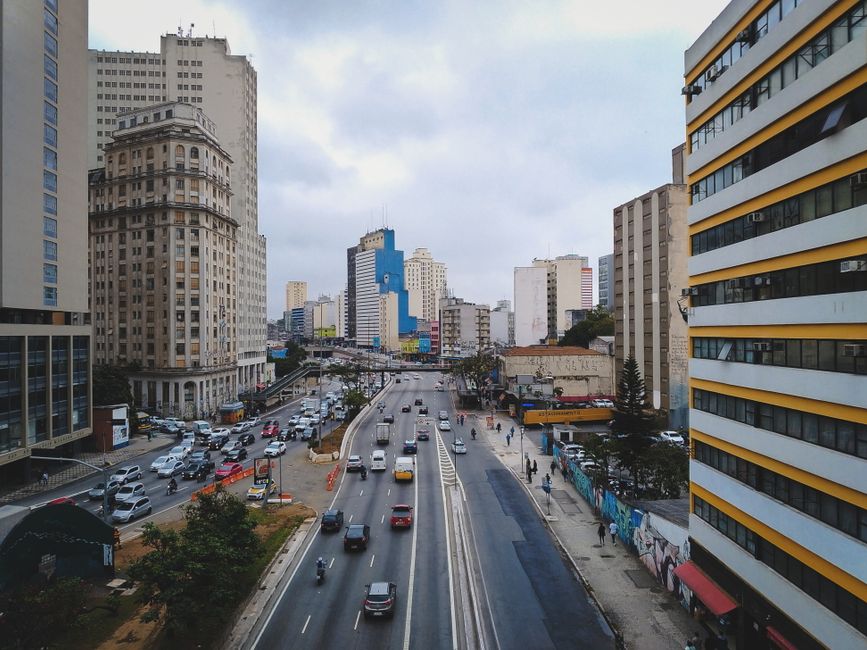
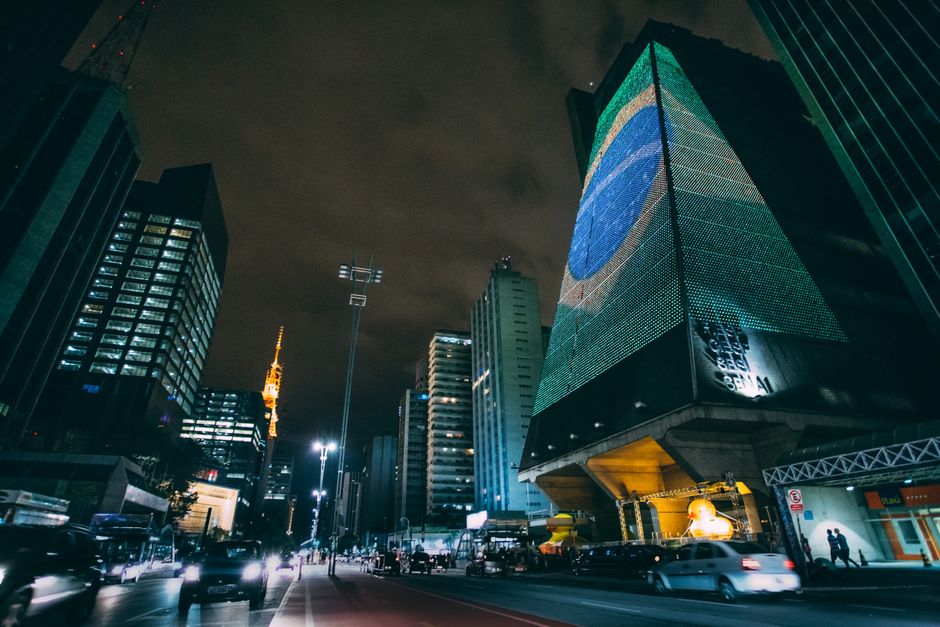
São Paulo's running culture isn't built on dramatic New Year's resolutions. It's constructed through small, repeated choices—the same shoes by the door, the same 6 a.m. alarm, the same 3.5-kilometre loop through Ibirapuera Park that becomes as natural as coffee.
Marina Silva, a physiotherapist at Hospital das Clínicas, observes that the most successful runners she encounters aren't training for marathons. They're simply stacking one run onto another. "The runners who stick with it aren't the ambitious ones," she notes. "They're the ones who've made it boring enough to maintain."
This philosophy explains why Ibirapuera's interior paths—particularly the circuit near the Obelisco—fill with regulars between 6 and 7 a.m. weekday mornings. The route's modest 4.5-kilometre perimeter makes it forgiving for beginners, while established joggers appreciate the flat terrain and tree canopy that keeps temperatures manageable year-round.
The Avenida Paulista Sunday cycling culture has similarly influenced running habits. What started as weekend recreation has evolved into a broader movement: runners now treat Sunday mornings with the same reverence cyclists do, creating informal community runs that require no membership fees or app registration.
Practical logistics matter enormously. Most successful local runners maintain gear at their workplace—shoes under the desk at an office in Vila Mariana or near Av. Brasil. This removes the friction of returning home to change. A basic running watch costs between 150 and 400 reais; serious participants invest in heart-rate monitors, but consistency doesn't require technology investment.
The Vila Madalena and Pinheiros neighbourhoods have emerged as secondary hubs, where narrower streets and fewer traffic lights create safer running conditions than busier commercial areas. The Pinheiros River's renovated banks near Ponte Estaiada now draw evening runners, though many experienced locals still prefer Ibirapuera's established paths.
Nutrition follows similarly unglamorous patterns. São Paulo's thriving café culture—particularly in Vila Madalena and around Rua Oscar Freire—means runners can fuel consistently without expensive supplements. A post-run açai bowl costs 18-25 reais; coffee, 6-10 reais. The infrastructure supports the habit.
Success ultimately comes from identifying your specific constraint—time, safety, motivation, or recovery—and building a single habit around it. Run the same route at the same time until decision-making disappears. That's how São Paulo runners transform occasional exercise into the texture of ordinary life.
This article was compiled by AI and screened before publishing. See our editorial standards.