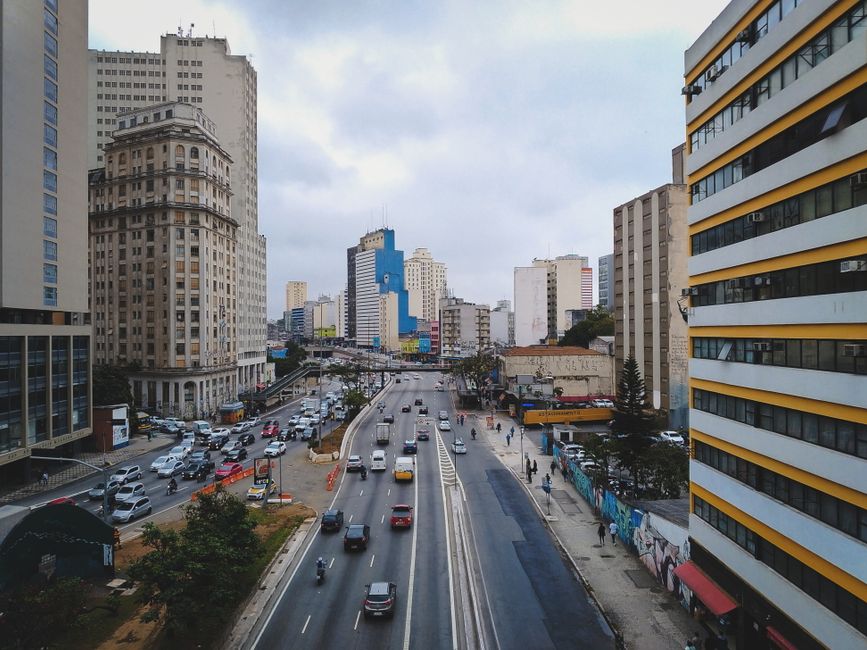
Walk through Ibirapuera Park on any Sunday morning and you'll witness São Paulo's quiet revolution in ageing. Seniors navigate the 1.6-kilometre circuit with purpose, their movement deliberate but fluid—a far cry from the sedentary stereotype that once defined this life stage. Behind these daily routines lies compelling scientific evidence that's reshaping how we understand mobility in later years.
The research is unambiguous. According to longitudinal studies from gerontology centres across Brazil and internationally, maintaining physical mobility after 60 is the strongest predictor of remaining independent, reducing hospitalisation rates, and preserving cognitive function. A 2024 analysis published in leading ageing journals found that seniors who engage in consistent movement—whether walking, swimming, or resistance training—experience slower cognitive decline and maintain better balance and coordination, directly reducing fall risk, a leading cause of premature mobility loss.
Dr. Felipe Rossi, a prominent researcher at Hospital das Clínicas, has noted that São Paulo's active ageing movement reflects global trends. The city's healthy café culture along Avenida Paulista and emerging senior-focused fitness programmes around neighbourhoods like Pinheiros and Vila Madalena are creating what researchers call "environmental enablers" for sustained activity. These aren't luxury gyms; many municipal recreation centres charge minimal fees and offer senior-specific classes combining cardiorespiratory fitness with functional strength training—exactly what the evidence shows prevents mobility decline.
The mechanism is elegant. Regular movement preserves muscle mass, particularly in the legs and core—critical for maintaining postural stability and independence. It strengthens neural pathways, improves proprioception (your body's sense of position), and maintains bone density. Research shows that just 150 minutes of moderate activity weekly can reduce mobility decline risk by approximately 40 per cent in people over 65.
What makes São Paulo particularly well-positioned for this approach is infrastructure. The Sunday cycling routes on Avenida Paulista, Ibirapuera's accessible paths, and the growing network of senior-focused wellness groups create low-barrier opportunities for movement integration into daily life—which research confirms is far more sustainable than isolated gym sessions.
The science is clear: active ageing isn't about extreme fitness or competing with younger populations. It's about consistent, accessible movement that preserves the neuromuscular systems underpinning independence. For São Paulo's 60-plus population, the evidence suggests that the simple act of regular movement—whether a morning walk in Ibirapuera or cycling down Avenida Paulista—might be the most powerful health intervention available.
For personal health guidance, consult a local medical professional who can assess your individual circumstances.
This article was compiled by AI and screened before publishing. See our editorial standards.