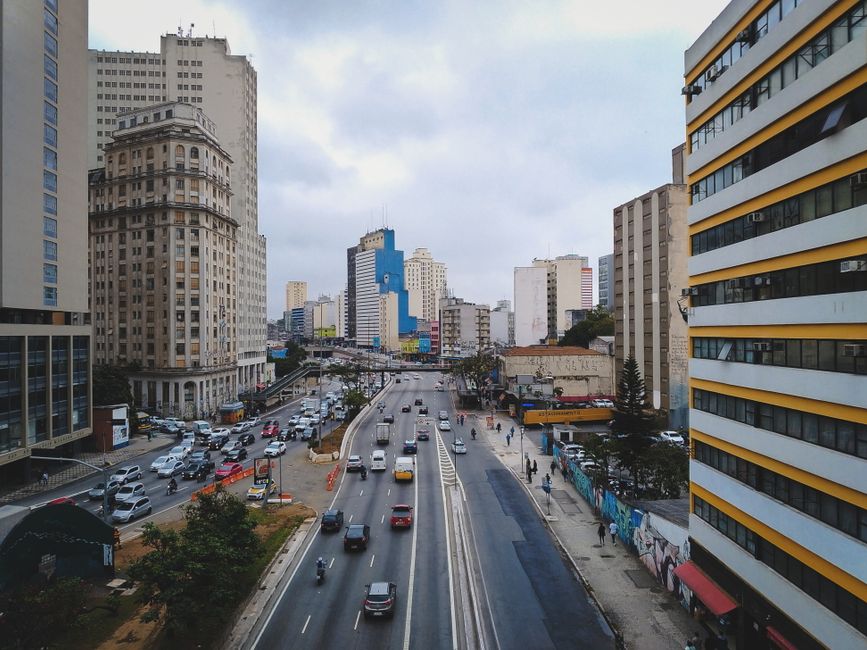
Walk through Ibirapuera Park on any Wednesday morning and you'll witness a quiet revolution. Dozens of seniors navigate the tree-lined paths with purpose—some jogging, others power-walking, a growing cohort on e-bikes. This isn't a global wellness trend belatedly arriving in São Paulo. Rather, it's evidence that Brazil's largest city is charting its own course in active ageing, one that prioritises accessibility over exclusivity.
Globally, the senior fitness market has exploded. Boutique studios targeting over-60s in London and New York charge upwards of £25 per session. Longevity retreats in California cost thousands. Yet in São Paulo, this momentum appears different. A monthly gym membership at neighbourhood establishments in Vila Mariana or Pinheiros averages R$120–180, while Ibirapuera's free fitness zones draw thousands weekly. Hospital das Clínicas, the city's flagship medical institution, now runs integrated mobility programmes combining physiotherapy with community exercise classes—a model gaining attention across Latin America.
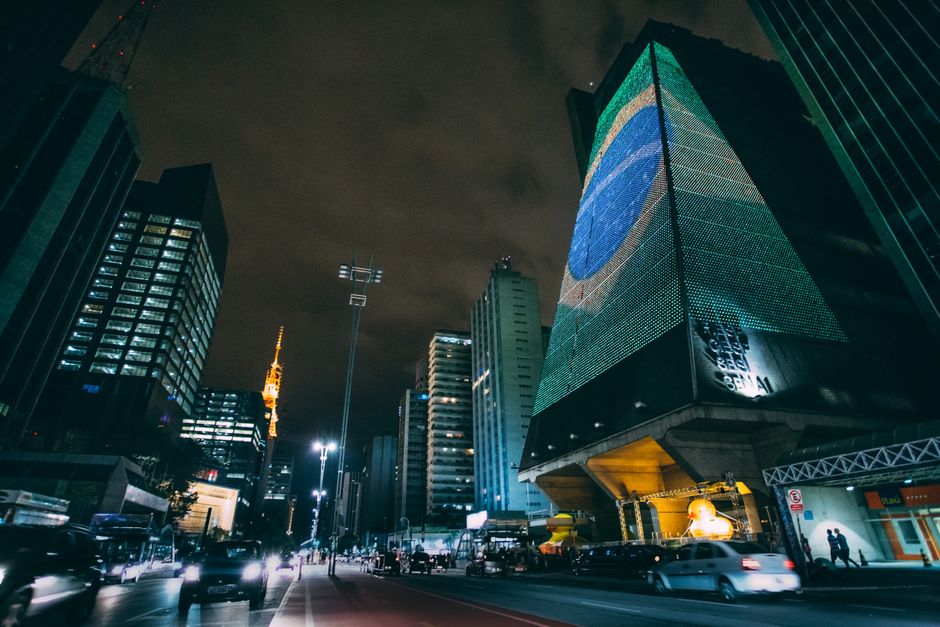
The numbers suggest locals are responding. Brazil's National Institute of Social Security reports that physical activity participation among Paulista seniors aged 60–75 increased 34% between 2022 and 2025, outpacing comparable growth in European markets. Sunday cycling on Avenida Paulista—closed to traffic—has become a visible expression of this shift, with age-diverse participation reshaping perceptions of what active ageing looks like here.
What explains São Paulo's distinct approach? Partly, economic reality. The city's middle class seeks value; boutique wellness culture, while present in Jardins and Higienópolis, hasn't saturated the broader market. Partly, too, community infrastructure. Neighbourhood associations and municipal programmes fill gaps where private enterprise alone wouldn't reach. The thriving healthy café culture along Rua Oscar Freire and emerging wellness-focused establishments in Vila Madalena reflect growing demand, but remain secondary to free and low-cost options.
International wellness frameworks emphasise personalisation and technology—wearables, AI coaching, bespoke protocols. São Paulo's seniors increasingly adopt these tools, yet they're grafted onto existing social structures: group walks, dance classes in community centres, football games in local campos. The hybrid model works.
This divergence matters. As ageing populations challenge cities worldwide, São Paulo offers a case study in democratic active ageing—one that doesn't require wealth, doesn't isolate seniors in boutique spaces, and leverages existing public assets. The result isn't necessarily Instagram-worthy, but it's proving sustainable, scalable and, for many Paulistas over 60, genuinely life-changing.
This article was compiled by AI and screened before publishing. See our editorial standards.