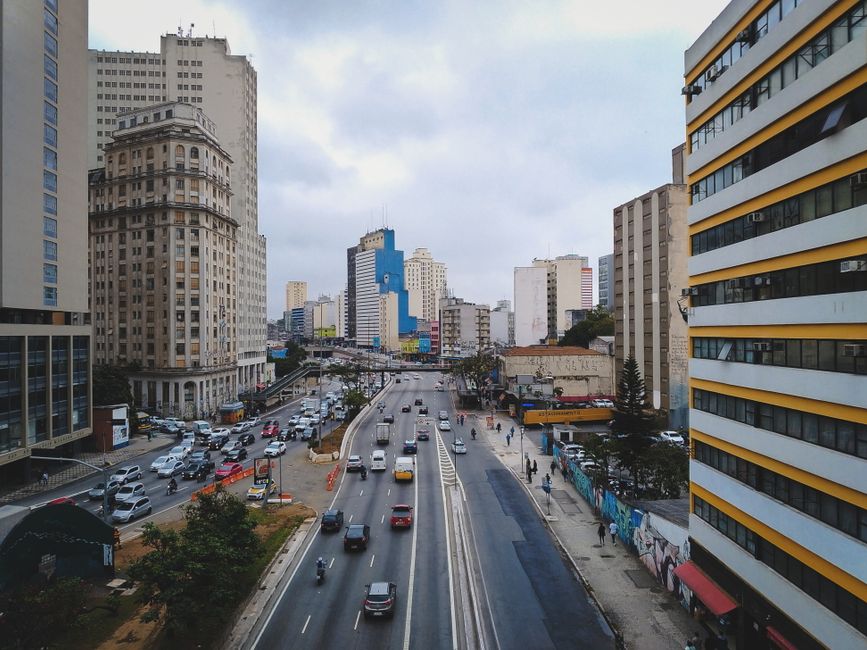
While running culture in cities like Berlin and Barcelona has dominated wellness headlines for years, São Paulo is quietly building something distinctly its own. The city's outdoor fitness scene—anchored by iconic green spaces and neighbourhood routes—reflects both global trends and deeply local priorities.
The numbers tell part of the story. According to fitness tracking data from 2025, São Paulo saw a 34 percent year-on-year increase in outdoor running activities, trailing only Rio de Janeiro among Brazilian cities. Yet unlike the curated, heavily commercialised trail systems in European capitals, São Paulo's approach remains refreshingly grassroots.
Ibirapuera Park remains the epicentre. The 158-hectare green lung attracts an estimated 8,000 runners weekly—more than dedicated running clubs counted just three years ago. The park's 7.5-kilometre perimeter loop offers the democratised fitness experience increasingly sought globally: free, accessible, and embedded within nature. But locals have expanded beyond this obvious choice.
The Pinheiros River circuit, stretching roughly 12 kilometres along Avenida Brigadeiro Faria Lima toward Vila Madalena, has emerged as the thinking runner's alternative. Where global wellness trends push boutique experiences and premium gym memberships, this route epitomises São Paulo's counter-movement: serious athletic infrastructure without gatekeeping.
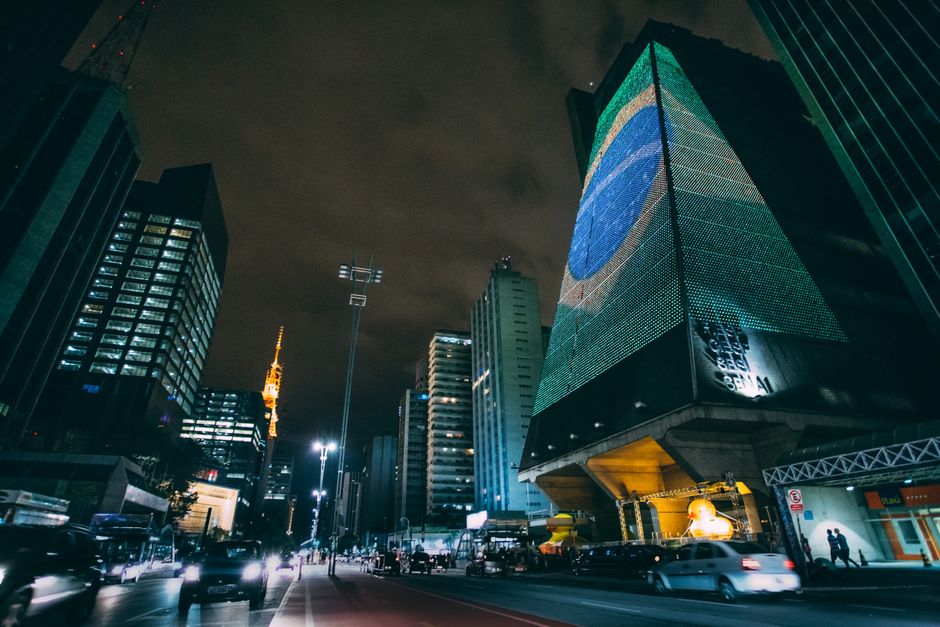
Avenida Paulista, famous for Sunday cycling culture, now hosts morning runners navigating the tree-lined stretches between Museu de Arte and the Obelisco. The casual integration of fitness into daily urban life—a hallmark of Copenhagen and Amsterdam—is taking root here.
What distinguishes São Paulo's trajectory is resistance to over-commercialisation. While global cities have seen specialised running boutiques proliferate, São Paulo's running community remains anchored in public spaces. Local running clubs like Sampa Runners operate on modest memberships around R$50-100 monthly, emphasising community over exclusivity—a stark contrast to the €80+ monthly fees common in European running collectives.
The catch? Infrastructure remains inconsistent. Unlike London's mapped canal towpaths or Berlin's dedicated cycling lanes, São Paulo runners navigate a patchwork of safe and less-safe stretches. Security concerns in certain neighbourhoods, though improving, still deter some routes that should logically work.
Yet therein lies São Paulo's authentic positioning within global wellness movements. Rather than importing finished models, the city's running culture reflects pragmatism and adaptation—combining global best practices with local realities, accessible spaces with genuine community. For those serious about exploring this emerging scene, the foundation is solidly built. The question isn't whether São Paulo belongs in the global running conversation. It's whether the city's grassroots ethos can survive increasing international attention.
This article was compiled by AI and screened before publishing. See our editorial standards.