São Paulo residents cut disease rates through daily preventive habits
From morning walks in Ibirapuera to annual screenings at Hospital das Clínicas, São Paulo residents are turning simple routines into powerful health safeguards.
From morning walks in Ibirapuera to annual screenings at Hospital das Clínicas, São Paulo residents are turning simple routines into powerful health safeguards.
Listen to this article · 3:57
Dr. Marina Silva, a cardiologist at Hospital das Clínicas, notices a shift in her patient base. More Paulistas are arriving for preventive screenings before symptoms emerge—a departure from traditional reactive healthcare. The change reflects a growing wellness consciousness reshaping how the city's residents approach long-term health.
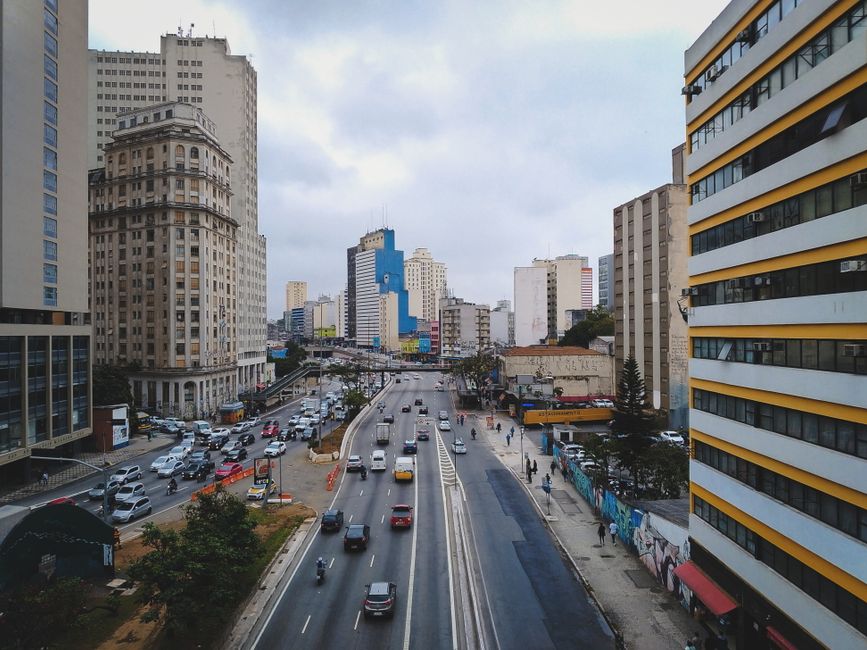
The transformation begins with movement. Sunday cycling along Avenida Paulista has evolved beyond leisure; locals increasingly view it as part of structured preventive care. Similarly, morning jogs through Ibirapuera Park's 1.6-kilometre circuits have become non-negotiable rituals. These aren't aspirational habits—they're integrated into daily commutes and weekend routines across neighbourhoods like Vila Mariana and Pinheiros.
Complementing physical activity is São Paulo's booming preventive screening culture. Hospital das Clínicas and private networks like Fleury Lab offer comprehensive packages starting around R$800–R$2,000, covering blood pressure, cholesterol panels, and glucose monitoring. Many Paulistas schedule annual checks during their birthday month, anchoring health assessment to a memorable date. Workplace wellness programs, particularly in Avenida Paulista's corporate corridor, now include on-site blood pressure monitoring and nutrition consultations.
The city's healthy café culture—thriving in neighbourhoods like Vila Madalena and Itaim—reinforces nutritional awareness. Rather than viewing food solely as sustenance, residents increasingly treat meal choices as preventive medicine. Cafés offering acai bowls, pressed juices, and grilled protein plates cater to this mindset, with many patrons making deliberate choices to reduce sodium and processed ingredients.
Sleep awareness has gained traction too. Apps tracking sleep quality have found adoption rates among Paulista professionals managing demanding schedules. Evening wind-down routines—reducing screen time by 9 p.m.—are becoming standard practice in health-conscious households.
Stress management emerged as perhaps the most transformative habit. Guided meditation apps and yoga studios scattered across neighbourhoods like Consolação report sustained membership growth. Mental health screenings, once taboo, are increasingly part of annual health assessments, with organisations like the Brazilian Heart Foundation (Fundação Brasileira de Cardiologia) emphasising the cardiovascular impact of chronic stress.
What makes these habits stick? Integration into existing routines. A morning walk becomes preventive cardiovascular care. Sunday cycling becomes metabolic management. Annual check-ups become non-negotiable social commitments.
The result: São Paulo residents are reclaiming agency over their health. They're not waiting for symptoms. They're building defences today, one daily habit at a time.
For personalised preventive health guidance, consult with a local medical professional or contact Hospital das Clínicas or your neighbourhood's health centre (UBS).
This article was compiled by AI and screened before publishing. See our editorial standards.
How does this story make you feel?
Spread the word
About this article
Published by The Daily São Paulo
Daily brief
Free, in your inbox before 7am. Weekdays.
More in Wellness