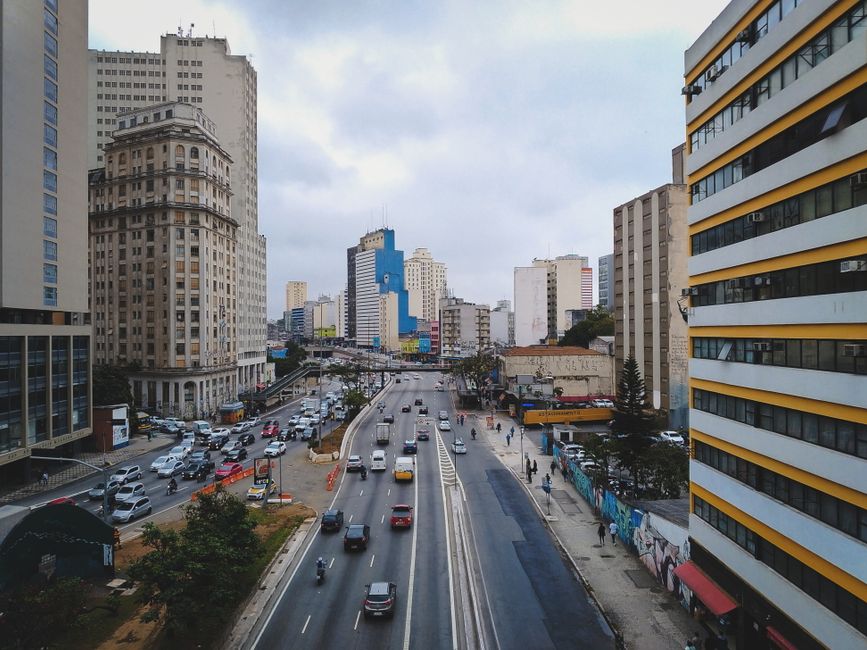
São Paulo residents transform eating habits through farmers markets, local food
Community stories reveal how local neighbourhoods are reshaping eating habits, one market visit and home-cooked meal at a time.
Community stories reveal how local neighbourhoods are reshaping eating habits, one market visit and home-cooked meal at a time.

Walk through Vila Madalena on a Saturday morning and you'll witness São Paulo's quiet nutritional awakening. The neighbourhood's expanding network of organic markets and community kitchens has become ground zero for a food transformation that's rippling across the city's diverse communities.
The shift is tangible. According to a 2025 survey by the São Paulo Health Secretariat, residents in central neighbourhoods now spend an average of R$180 weekly on fresh produce—up 34% from five years ago. Meanwhile, processed food consumption among health-conscious Paulistas has declined by 18% in the same period.
This transformation isn't happening in isolation. In Pinheiros, the Associação Comunitária dos Moradores de Pinheiros has expanded its community gardens from two plots to seventeen in three years. Nearby, on Rua Estados Unidos, a cooperative market collective sources directly from farmers in the São Paulo interior, reducing costs by up to 40% compared to traditional supermarkets.
The Ibirapuera Park precinct has become a wellness destination beyond fitness. Sunday mornings now feature impromptu wellness gatherings where residents share nutrition tips between cycling routes along the park's perimeter. Local cafés along Avenida Paulista—many operating within the city's booming healthy café culture—have reported a 52% uptick in demand for nutrient-dense options since 2024.
Hospital das Clínicas' Nutrition Clinic has partnered with neighbourhood associations to offer free quarterly workshops. These sessions, held in community centres across Consolação and Santa Cecília, teach seasonal eating aligned with São Paulo's agricultural calendar. The initiative has reached over 8,000 residents since launching.
What's driving this change? Accessibility matters. The Fair Trade Association reports that farmers' markets across the city's 32 districts now operate on designated days, with prices for leafy greens averaging R$6-12 per kilogram—competitive with conventional retailers but significantly fresher.
The human element remains paramount. Across neighbourhoods from Cambuci to Vila Leopoldina, residents are discovering that health transformation isn't about restriction—it's about connection. Community cooking classes, where grandmothers teach traditional São Paulo recipes alongside modern nutritional science, have waiting lists months long.
For those considering their own food journey, starting local makes sense. Visit your nearest neighbourhood farmers' market, connect with community gardens through the Secretaria do Verde, or join one of the city's many health-focused neighbourhood groups. Hospital das Clínicas offers personalized nutrition consultations for those seeking professional guidance.
São Paulo's food revolution proves one thing: sustainable health change happens when communities rally around shared tables.
This article was compiled by AI and screened before publishing. See our editorial standards.
How does this story make you feel?
Spread the word
About this article
Published by The Daily São Paulo
Daily brief
Free, in your inbox before 7am. Weekdays.
More in Wellness