Walk through Ibirapuera Park on any Sunday morning, and you'll witness São Paulo's quiet wellness revolution. Where jogging and cycling once dominated the green spaces, yoga mats now carpet entire lawns, meditation circles gather beneath ancient trees, and tai chi practitioners move with deliberate grace along the pathways. This shift mirrors a global phenomenon, yet São Paulo's approach to mental health and stress management tells a distinctly local story.
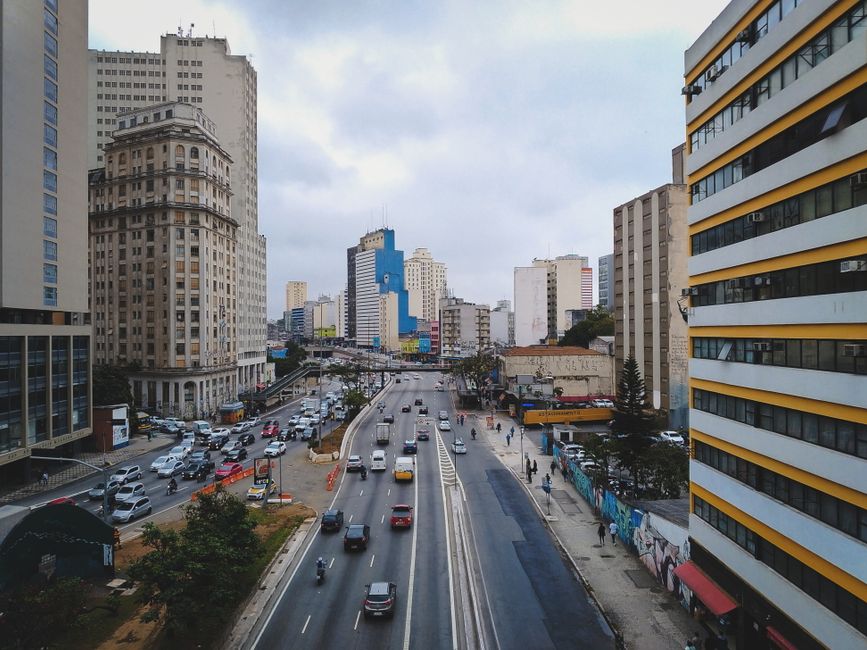
Globally, the mindfulness industry has exploded. Apps like Headspace and Calm generate billions in revenue, with meditation becoming synonymous with wellness in New York, London, and Singapore. Yet in São Paulo—a city of 12 million where traffic congestion and work culture create their own particular pressures—the uptake has been more measured, more integrated into existing social structures.
The numbers tell this story. While international mindfulness apps report 100+ million downloads worldwide, adoption rates in Brazil remain below 15 percent of the connected population. Instead, São Paulo residents are gravitating toward community-based solutions. Studios in Vila Mariana and Pinheiros now operate at capacity, with group classes costing R$80–R$150 per session—accessible for middle-class paulistas but still premium pricing. Hospital das Clínicas has expanded its psychology and stress-management departments significantly, recognizing corporate burnout as a pressing urban health issue.
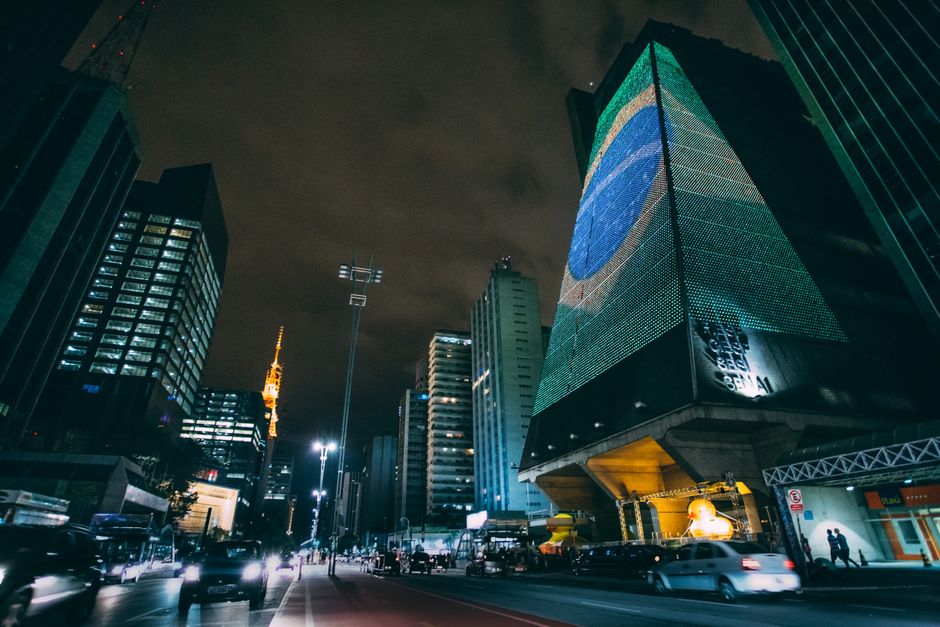
What distinguishes São Paulo's approach is its fusion of imported trends with local wisdom. While Western mindfulness emphasizes individual practice and digital meditation, São Paulo's wellness culture remains social. Group classes thrive; solo app usage lags. The city's established café culture along Avenida Paulista and in neighborhoods like Higienópolis has adapted too—wellness cafés now outnumber traditional coffee shops, blending the Brazilian ritual of social gathering with mindful eating practices.
Corporate wellness programs, ubiquitous in São Paulo's financial district, reflect this hybrid model. Major companies offer meditation workshops alongside stress-management seminars, yet implementation remains inconsistent compared to North American or European counterparts.
The challenge São Paulo faces—and where it diverges from global trends—is sustainability. Enthusiasm peaks, then plateaus. The city's demanding work culture and relentless pace can overwhelm even committed practitioners. Yet this struggle itself breeds authenticity. São Paulo isn't adopting mindfulness as a trend; it's negotiating with it, testing whether ancient practices can genuinely ease contemporary urban stress.
For those exploring meditation and stress management locally, consulting healthcare professionals at Hospital das Clínicas or licensed therapists remains advisable for personalized guidance.
This article was compiled by AI and screened before publishing. See our editorial standards.