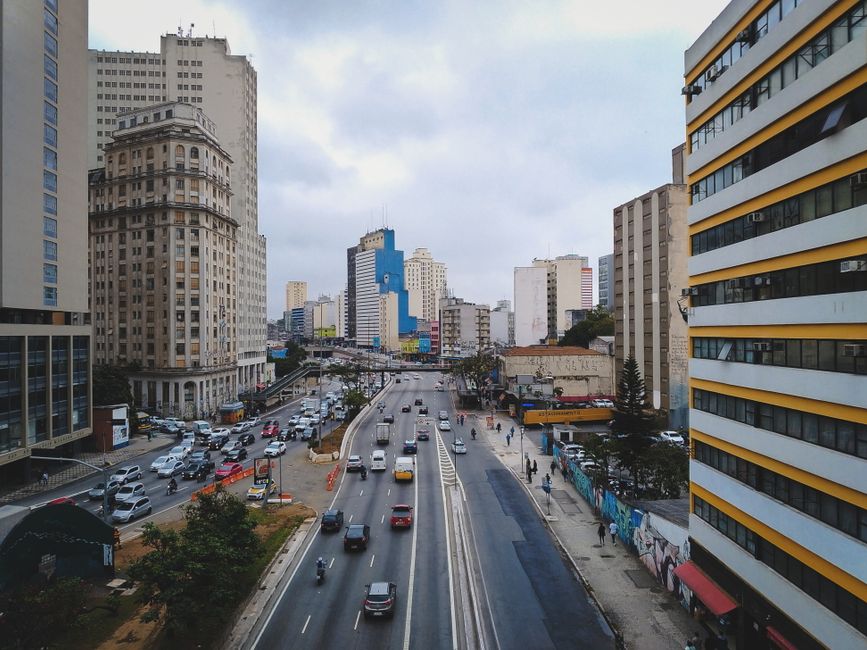
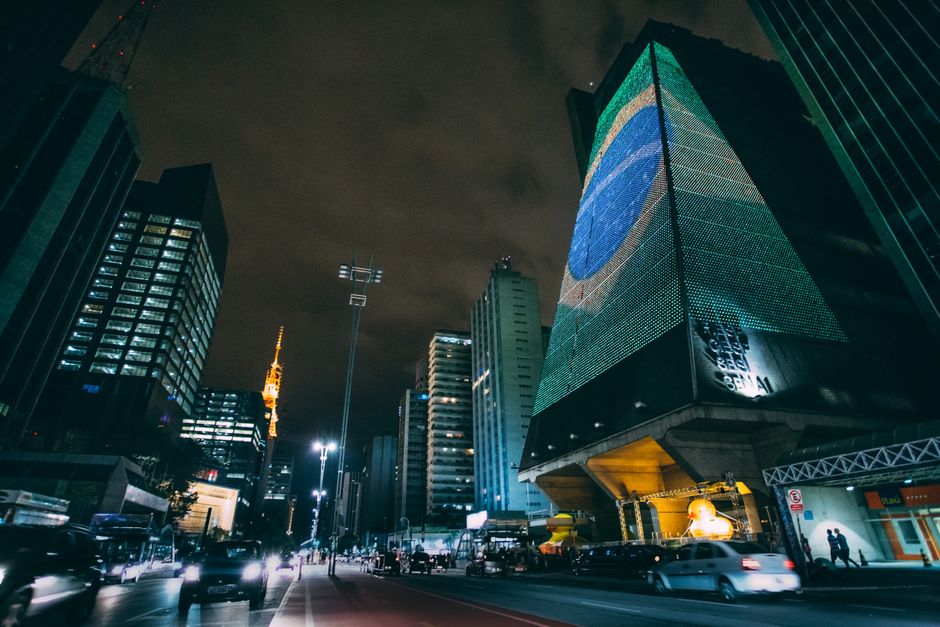
On any given Sunday morning, Avenida Paulista pulses with a different kind of energy than weekday rush hour. Among the cyclists weaving through the ciclovias are grey-haired riders, many well into their sixties and seventies, their legs finding rhythm on routes that stretch toward Parque do Ibirapuera. This isn't nostalgia—it's reinvention.
Across São Paulo's neighbourhoods, a quiet revolution in senior wellness is gathering momentum. Community health initiatives and local gyms specialising in functional fitness for older adults report surging demand. The Hospital das Clínicas, one of Brazil's premier medical institutions, has expanded its geriatric mobility programmes, with physiotherapists noting that seniors arriving with mobility concerns often leave as advocates for preventive movement.
The transformation story is distinctly local. In Vila Mariana, small grupo de caminhada (walking groups) meeting thrice weekly at Parque Ibirapuera have evolved into social anchors. Members report improved cardiovascular markers alongside something harder to quantify: renewed purpose. Neighbourhood gyms around Consolação and Pinheiros have adapted their offerings, moving beyond traditional strength training to classes addressing balance, flexibility, and functional movement—the unglamorous but essential work that keeps bodies mobile and independent.
What's driving this shift? Partly, it's pragmatism. Brazil's population is ageing faster than many developed nations; by 2030, seniors will comprise 20% of Brazil's demographic. São Paulo, as the country's wellness hub, is where new models emerge first. The city's robust café culture—from the specialty coffee shops dotting Vila Madalena to juice bars across Jardins—has also created infrastructure supporting active lifestyles, with nutrient-dense options readily available at accessible price points.
But the deeper engine is social. Unlike isolated fitness pursuits, community-based wellness creates accountability and belonging. A senior training at Ibirapuera isn't just improving VO2 max; they're part of a visible, celebrated cohort. The cultural shift—from viewing ageing as decline to framing it as opportunity for transformation—is palpable in how these groups talk about themselves.
The data supports the movement. Studies from Hospital das Clínicas show that seniors engaged in consistent community-based activity report 40% fewer fall-related injuries and significantly improved quality of life markers. The investment pays dividends beyond individual health: reduced hospital admissions, maintained independence, and psychological resilience.
For anyone considering joining this wave, the entry points are low-barrier: free walking groups proliferate; affordable gyms offer senior-specific classes; and the social architecture—word-of-mouth, visible community presence—makes starting accessible.
In São Paulo, active ageing isn't a luxury wellness trend. It's becoming the default narrative for how this city's seniors spend their second acts.
This article was compiled by AI and screened before publishing. See our editorial standards.