Walk through Ibirapuera Park on any Saturday morning and you'll spot dozens of yoga mats unfurled beneath the trees. São Paulo has embraced yoga and meditation with unmistakable enthusiasm, yet the city's approach to these practices reveals something distinctly local: a pragmatic blend of tradition and accessibility that sets it apart from the wellness trends dominating Instagram feeds globally.
The numbers tell part of the story. According to recent wellness sector surveys, yoga studio density in São Paulo's affluent neighbourhoods—particularly around Jardins, Vila Madalena, and Pinheiros—rivals major international wellness hubs. Monthly classes typically range from R$150 to R$400 depending on studio prestige and location. Yet unlike the premium positioning of yoga in New York or London, São Paulo's offerings span a wider economic spectrum. Community centres and smaller studios in the periphery charge substantially less, democratising access in ways that global luxury wellness brands rarely achieve.
The meditation component, however, reveals a different picture. While global trends emphasise app-based mindfulness (think Calm, Headspace), São Paulo practitioners still favour in-person group sessions and traditional instruction. Studios along Avenida Paulista and in neighbourhoods like Consolação increasingly offer meditation-specific classes, yet uptake remains more modest than yoga's explosive growth. This gap mirrors broader patterns: meditation requires sustained commitment without the visible physical progress that yoga's asanas deliver.
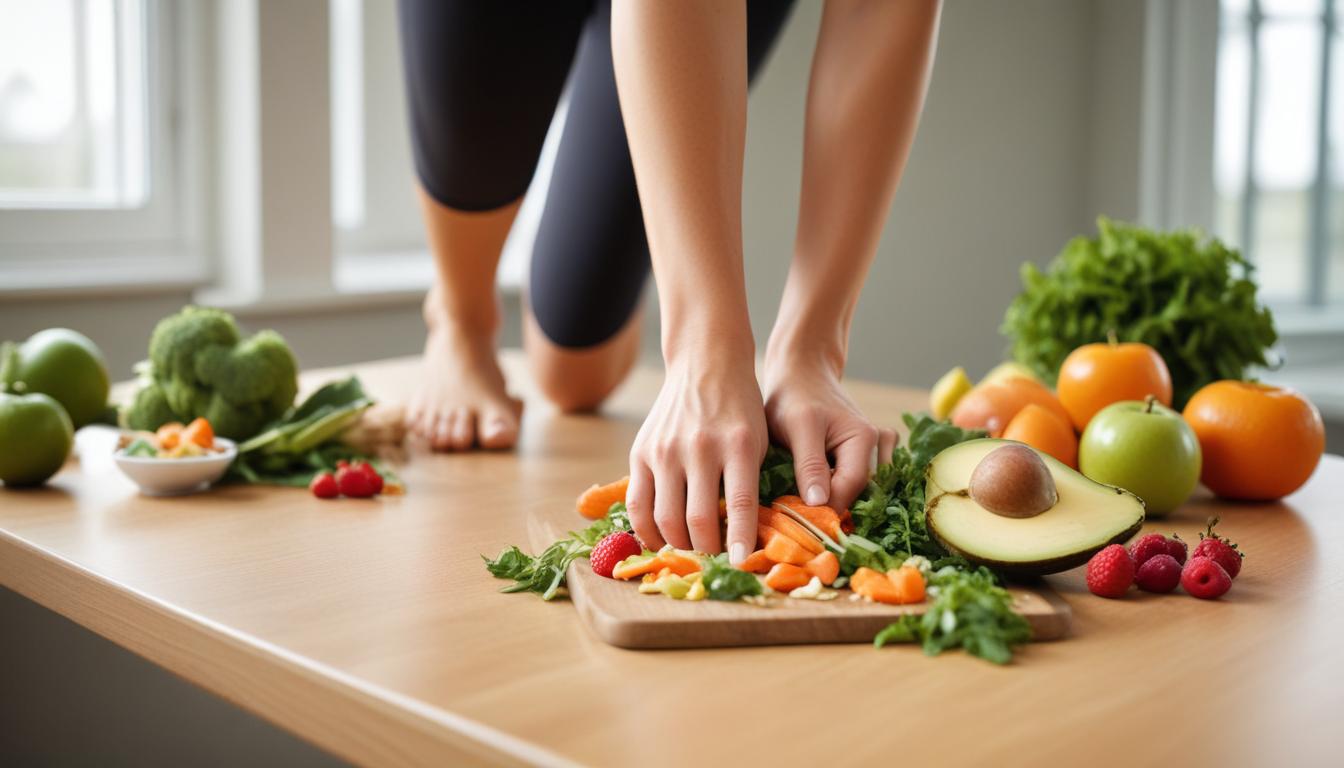
What distinguishes São Paulo's approach is integration with existing wellness infrastructure. The city's robust healthy café culture—thriving across Pinheiros and Vila Madalena—naturally complements yoga and meditation practice in ways that accelerate adoption. Similarly, Hospital das Clínicas and other major medical institutions have begun acknowledging yoga's therapeutic benefits, lending legitimacy that overseas wellness movements sometimes lack.
Local organisations like the Brazilian Yoga Confederation have helped standardise teacher training and practice standards, preventing the dilution of tradition that critics identify in oversaturated global markets. Yet standardisation also risks calcification. Many younger São Paulo practitioners—influenced by global wellness influencers—increasingly seek fusion classes blending yoga with high-intensity fitness, a trend that purists elsewhere view with skepticism.
The pandemic accelerated digital adoption, but São Paulo's yoga community resisted wholesale virtualisation more stubbornly than peers in London or Los Angeles. The emphasis on embodied, collective experience reflects deeper cultural values around community and presence. As global wellness trends shift toward isolation and optimisation, São Paulo's yoga renaissance remains distinctly relational—grounded in parks, studios and neighbourhoods rather than screens.
This article was compiled by AI from the sources linked above and screened before publishing. See our editorial standards.