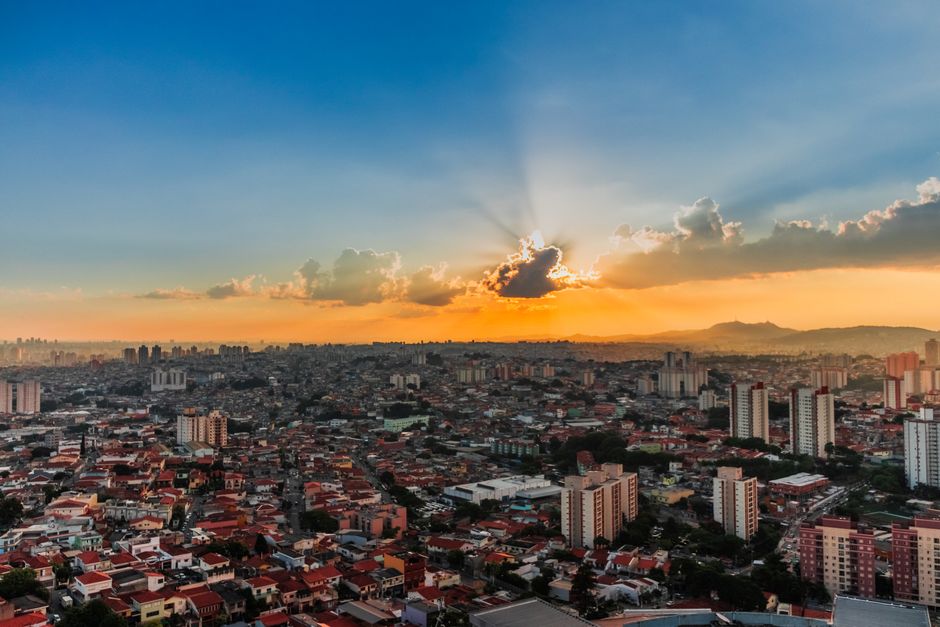
Walk through Ibirapuera Park on any weekday morning, and you'll see São Paulo's active-ageing revolution in motion. Groups of seniors navigate the tree-lined paths with walking poles, participate in tai chi sessions near the lake, and gather at the park's fitness stations—free, publicly accessible equipment installed specifically for low-impact mobility training. Yet this visible momentum masks a deeper question: how does Brazil's largest city compare to global wellness centres like Copenhagen or Melbourne, where age-inclusive fitness is already mainstream?
Globally, the active-ageing market has exploded. The World Health Organization estimates that by 2030, one in six people worldwide will be aged 60 or older. European cities have responded with dedicated senior wellness hubs, subsidised gym memberships, and integrated healthcare-fitness partnerships. Australia's 'Active Ageing' initiatives have become policy benchmarks. São Paulo, home to over 2.5 million residents aged 60+, is playing catch-up—but not necessarily from behind.
Local data tells an interesting story. According to a 2025 survey by the São Paulo Municipal Health Department, approximately 34% of seniors in the city engage in regular physical activity, compared to 42% across OECD nations. However, uptake in affluent neighbourhoods like Vila Mariana and Pinheiros exceeds 50%, revealing a stark equity gap. Meanwhile, initiatives like the free fitness classes in Consolação and community walking groups organised by neighbourhood associations have reached populations typically excluded from premium wellness culture.
The city's healthy café culture—concentrated along Avenida Paulista and in Vila Madalena—has also become an unexpected ally. Unlike global wellness trends that often emphasise isolation and individual achievement, São Paulo's café-based fitness communities blend movement with social connection, addressing loneliness, a critical health factor largely underemphasised in northern hemisphere models.
Hospital das Clínicas and other major institutions have begun offering mobility-focused programmes, yet private physiotherapy remains expensive—averaging R$150–250 per session. Global comparisons reveal São Paulo's healthcare costs are lower than Copenhagen or Toronto, but accessibility remains unequal compared to subsidised systems in those cities.
The real distinction emerges in sustainability. São Paulo's senior wellness movement isn't imported wholesale from abroad; it's rooted in existing community infrastructure—parks, cafés, neighbourhoods. This localised approach may ultimately prove more durable than top-down wellness programming.
For seniors considering entering or deepening their fitness journey, consulting local professionals at Hospital das Clínicas or neighbourhood health centres remains essential. São Paulo's active-ageing story is still being written—and the best chapters may belong to those who participate in its creation.
This article was compiled by AI from the sources linked above and screened before publishing. See our editorial standards.