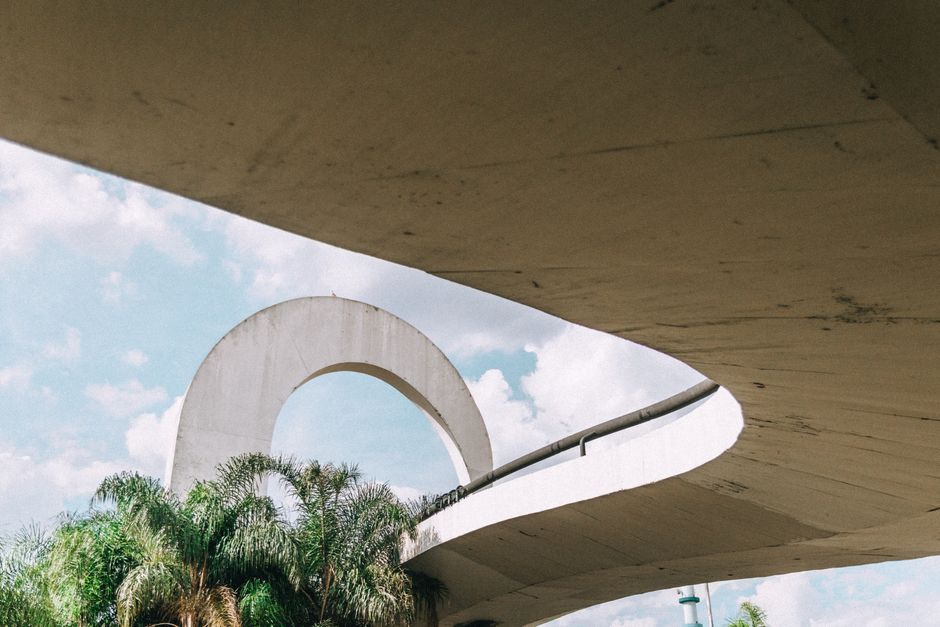
Walk through Ibirapuera Park on any weekday morning and you'll witness a quiet but powerful shift in how São Paulo manages stress. The sprawling green space has become more than a jogging destination; it's where thousands of Paulistanos have embedded mindfulness into their daily lives. Data from the park's administrative office suggests morning visitor numbers have increased 34% since 2023, with many citing mental clarity as their primary motivation.
This trend reflects a broader pattern emerging across the city's neighbourhoods. At Hospital das Clínicas, one of Brazil's leading medical institutions, the psychiatry department has documented rising demand for stress-management consultations, prompting staff to develop practical habit frameworks rather than pharmaceutical-only approaches. The results have been encouraging enough that similar protocols are now being adopted by other institutions across the region.
The habits gaining traction are refreshingly unglamorous. Rita Silva, a wellness practitioner operating near Avenida Paulista, observes that her most engaged clients aren't those chasing elaborate wellness trends. Instead, they're building consistency through micro-practices: five minutes of conscious breathing before opening work emails, a 15-minute walk during lunch breaks, or dedicating Sunday morning cycling sessions—increasingly popular along Avenida Paulista—to mental reset rather than athletic performance.
São Paulo's healthy café culture is playing an unexpected role too. Neighbourhood spots in Vila Madalena and Pinheiros now offer dedicated quiet zones where customers can work or simply sit without pressure to consume. Some venues report that up to 40% of their daytime traffic involves people spending 30-45 minutes in meditative silence, nursing a single beverage. It's become a low-cost alternative to formal meditation studios, which charge between R$80–150 per session.
The most successful practitioners share common traits: they start small, attach new habits to existing routines, and prioritize consistency over intensity. A morning shower becomes a sensory awareness exercise. A bus commute becomes breathing practice space. Sunday leisure transforms into structured restoration time.
What's remarkable isn't the novelty of these approaches—mindfulness and gentle movement are well-documented stress tools—but rather how Paulistanos have made them neighbourhood-specific and genuinely sustainable. They're not waiting for perfect conditions or expensive interventions. They're using parks, streets, cafés, and quiet moments already embedded in daily life.
For residents interested in developing their own practice, local resources including Ibirapuera's free morning wellness programs and community health initiatives offer accessible entry points. The consensus among mental health professionals here is clear: transformative stress management doesn't require transformation. It requires attention to what already surrounds you.
This article was compiled by AI from the sources linked above and screened before publishing. See our editorial standards.