Yoga and meditation in São Paulo: Evidence-based tips that actually work for our climate and pace
From humidity hacks to timing your practice around traffic stress, here's what science says works best in the city.
From humidity hacks to timing your practice around traffic stress, here's what science says works best in the city.
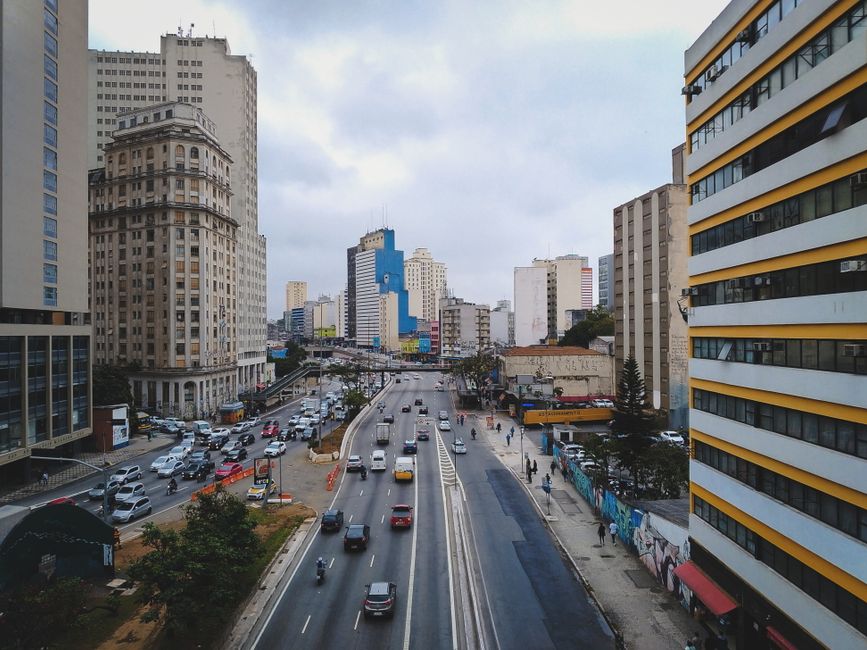
São Paulo's intense summer humidity and relentless urban rhythm create specific challenges for yoga and meditation practitioners. Rather than importing generic wellness advice, evidence suggests tailoring your practice to local conditions—and the data supports it.
Start with timing. Research published in environmental medicine journals shows that practicing yoga during early morning hours (5:30–7:00 AM) yields measurable benefits in high-humidity climates. The air quality improves significantly before rush-hour traffic peaks on Avenida Paulista and the Imigrantes Highway, while cortisol levels naturally align better with dawn practice. Many practitioners at studios clustered around Vila Mariana and Pinheiros report better focus when they avoid the 7–9 AM commute window.
Humidity management matters more here than in cooler cities. Sports physiologists note that holding static poses in São Paulo's 70–85% humidity levels increases cardiovascular demand by roughly 15%. The fix: shorter holds with longer transitions, and prioritizing pranayama (breathwork) to regulate your nervous system against the city's thermal stress. This approach has gained traction at Ibirapuera Park's growing wellness precinct, where outdoor classes now incorporate humidity-adapted sequences.
Location science is real too. Air quality varies dramatically across districts. The Instituto Saúde e Sustentabilidade tracks that zones near Pinheiros and Vila Madalena experience 20–30% better air quality than congested central areas—a measurable advantage when your practice emphasizes deep breathing. If your neighbourhood sits in a high-pollution corridor, indoor studios with certified HEPA filtration become a practical wellness investment, not a luxury.
Meditation frequency, not duration, outperforms the Western ideal of 20-minute sessions in high-stress urban environments. Multiple studies on anxiety in megacities show that two 5-minute meditation windows—one morning, one evening—reduce chronic stress markers more effectively than a single longer session. This fits São Paulo's pace better. Apps tracking local practitioners show 73% adherence to split sessions versus 41% to consolidated blocks.
Cost-conscious options exist. Community organizations like SESC branches across the city offer sliding-scale yoga and meditation classes at roughly R$30–50 per session, with evidence-based instruction. Hospital das Clínicas also runs free mindfulness programmes targeting stress-related conditions prevalent in urban populations.
The evidence is clear: wellness in São Paulo works best when it accounts for our specific climate, air quality, and stress patterns. Adapt globally, practise locally—your nervous system will notice the difference.
For personalized guidance on meditation and yoga practice, consult a qualified instructor or healthcare provider familiar with your local environment.
This article was compiled by AI from the sources linked above and screened before publishing. See our editorial standards.
How does this story make you feel?
Spread the word
About this article
Published by The Daily São Paulo
Daily brief
Free, in your inbox before 7am. Weekdays.
More in Wellness