Five Evidence-Based Stress Management Techniques That Actually Work in São Paulo's Chaos
From green spaces to structured breathing, here's what neuroscience says will help you survive—and thrive—in Brazil's busiest city.
From green spaces to structured breathing, here's what neuroscience says will help you survive—and thrive—in Brazil's busiest city.
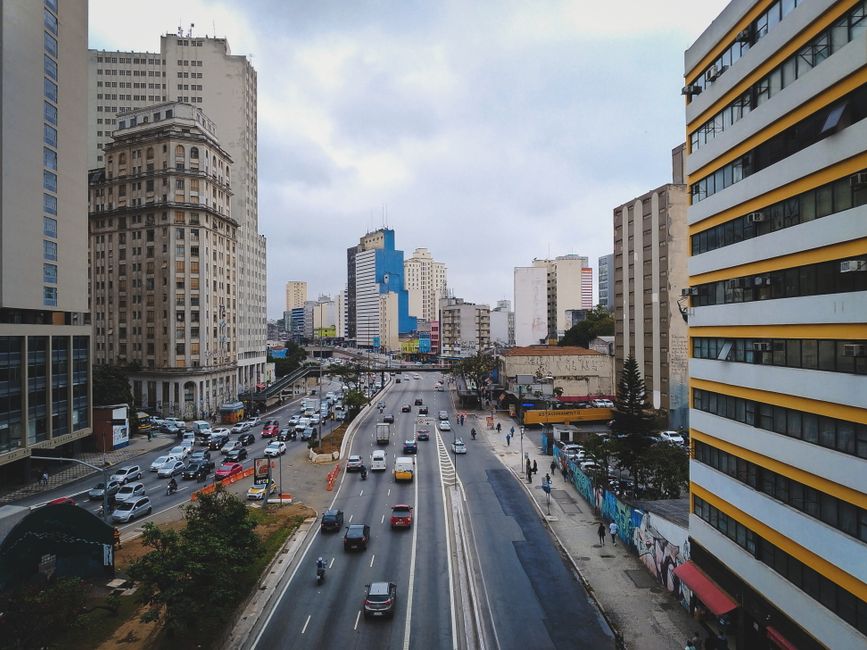
São Paulo's relentless pace—gridlock on the Marginal Pinheiros, 12-hour work days, constant notifications—creates a particular brand of urban stress that generic wellness advice rarely addresses. But neuroscience offers practical, evidence-based solutions tailored to local conditions.
1. Leverage green space proximity
Research from the University of São Paulo's Environmental Health Institute confirms that 20 minutes in nature reduces cortisol levels by up to 21%. The good news: you don't need to escape the city. Ibirapuera Park's designated walking trails, just minutes from Vila Mariana and Jardins neighbourhoods, provide measurable mental health returns. Even brief lunch breaks there correlate with improved afternoon focus.
2. Structured breathing beats meditation apps
While meditation requires sustained concentration—difficult during São Paulo's constant sensory overload—the 4-7-8 breathing technique (inhale for 4 counts, hold for 7, exhale for 8) activates the parasympathetic nervous system within 90 seconds. It requires no app, no quiet room. Do it on the metro, in your office, waiting at Avenida Paulista's bustling intersections.
3. Move with intention, not obligation
The Avenida Paulista Sunday cycling culture demonstrates a key insight: exercise reduces anxiety most when it's social and rhythmic, not punishing. High-intensity workouts alone elevate cortisol in already-stressed bodies. Low-impact group activities—cycling, walking groups, or tai chi classes in neighbourhood parks—combine movement with community, doubling psychological benefits.
4. Establish digital boundaries by geography
Hospital das Clínicas research on São Paulo professionals shows that email notifications during meals increase stress markers significantly. Solution: designate work-free zones (your bedroom, Ibirapuera's central lawn) where phones stay silent. This geographic separation is more sustainable than relying on willpower alone.
5. Leverage São Paulo's healthy café culture
The city's growing network of cafés serving whole foods and herbal teas isn't just trendy—it's therapeutic. Regular visits to familiar neighbourhood spots (Vila Madalena, Pinheiros) provide routine, social connection, and nutritional stability. Irregular eating amplifies stress responses; structured café rituals anchor your nervous system.
The pattern here: evidence-based stress management in São Paulo works when it acknowledges local realities—dense urban environment, transport challenges, work culture intensity—rather than fighting them. Your wellness strategy should fit your city, not the other way around.
For personalized stress management or if symptoms persist, consult a healthcare provider at Hospital das Clínicas or your local clinic.
This article was compiled by AI from the sources linked above and screened before publishing. See our editorial standards.
How does this story make you feel?
Spread the word
About this article
Published by The Daily São Paulo
Daily brief
Free, in your inbox before 7am. Weekdays.
More in Wellness