From Paulista Cafés to Vila Madalena: How nutritional wellness is reshaping São Paulo's food culture
Local restaurants, markets, and health professionals are driving a quiet revolution in how the city eats—and it's sticking.
Local restaurants, markets, and health professionals are driving a quiet revolution in how the city eats—and it's sticking.
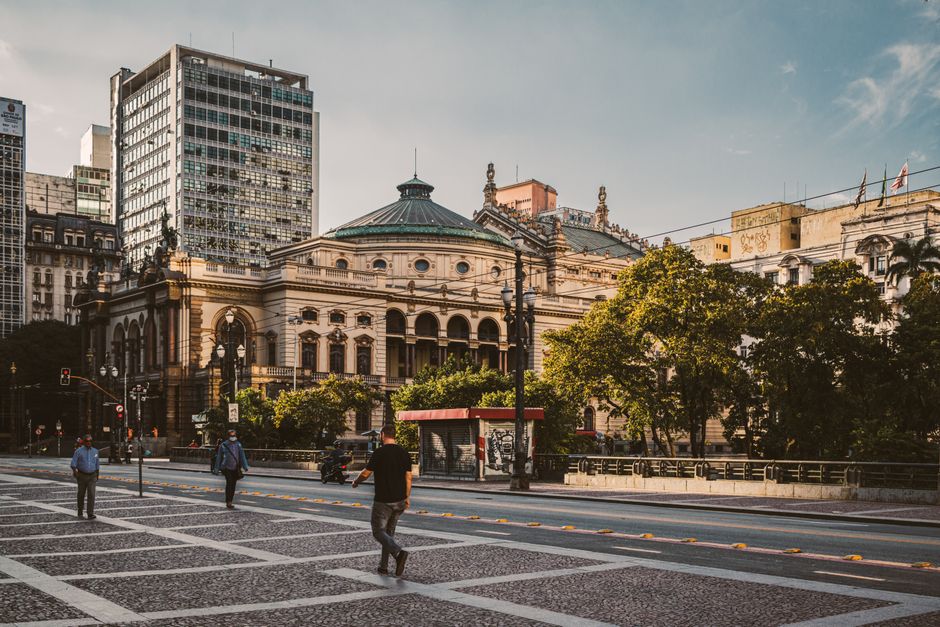
Walk down Rua Oscar Freire in Jardins on any weekday morning, and you'll notice something has shifted. The juice bars that once dominated São Paulo's wellness landscape now share shelf space with establishments focused on macro-balanced bowls, fermented vegetables, and locally sourced proteins. This isn't a passing trend—it's a fundamental recalibration of how paulistas approach nutrition.
The numbers tell the story. According to data from the São Paulo Trade Association (APESP), health-focused food establishments in the capital have grown by nearly 40% over the past three years. From boutique açaí shops in Vila Madalena to integrated nutrition clinics near Hospital das Clínicas, the infrastructure supporting informed eating has become impossible to ignore.
"What we're seeing is sophistication," explains the wellness ecosystem around Avenida Paulista, where Sunday cyclists now pause at nutrient-focused cafés rather than traditional padarias. The shift reflects broader changes: younger professionals demand transparency about sourcing, macronutrient breakdowns, and preparation methods. Fair-trade coffee from interior farms, seasonal organic produce from CEAGESP (the city's central market), and grass-fed options from regional suppliers have moved from niche to mainstream.
Neighborhoods like Pinheiros and Vila Mariana have become innovation hubs. Small establishments are experimenting with ancestral grains, plant-forward cooking that respects local ingredients, and meal preparation systems tailored to São Paulo's demanding work culture. Prices reflect this shift: a thoughtfully prepared lunch bowl ranges from R$35 to R$55, higher than traditional options but justified by sourcing standards and nutritional planning.
The trend extends beyond restaurants. Community markets in neighborhoods like Butantã and Zona Leste now dedicate significant sections to organic and biodynamic produce. Fitness communities around Ibirapuera Park increasingly intersect with nutritional education initiatives—recognition that movement and mindful eating are inseparable.
Yet challenges remain. Access varies dramatically across the city's 32 districts. While Zona Sul residents enjoy established wellness infrastructure, peripheral neighborhoods still lack affordable options for nutritional guidance and quality ingredients. Local health professionals and community organizations continue advocating for equitable expansion.
This isn't about trendy superfoods or restrictive dieting. Rather, it reflects São Paulo's maturation: a city of 12 million people is learning that sustainable wellness requires knowledge, local connection, and realistic integration into daily life. The revolution is quiet, neighborhood by neighborhood.
This article was compiled by AI from the sources linked above and screened before publishing. See our editorial standards.
How does this story make you feel?
Spread the word
About this article
Published by The Daily São Paulo
Daily brief
Free, in your inbox before 7am. Weekdays.
More in Wellness