Eating Well in São Paulo: Evidence-Based Nutrition Tips That Actually Work for Local Conditions
From tropical fruit seasonality to air quality impacts, here's how to adapt your diet to thrive in Brazil's biggest city.
From tropical fruit seasonality to air quality impacts, here's how to adapt your diet to thrive in Brazil's biggest city.

São Paulo's humid subtropical climate, year-round air quality challenges, and unique food culture demand a nutrition approach tailored to local realities. Research-backed strategies can help residents navigate everything from tropical fruit seasons to the city's demanding urban pace.
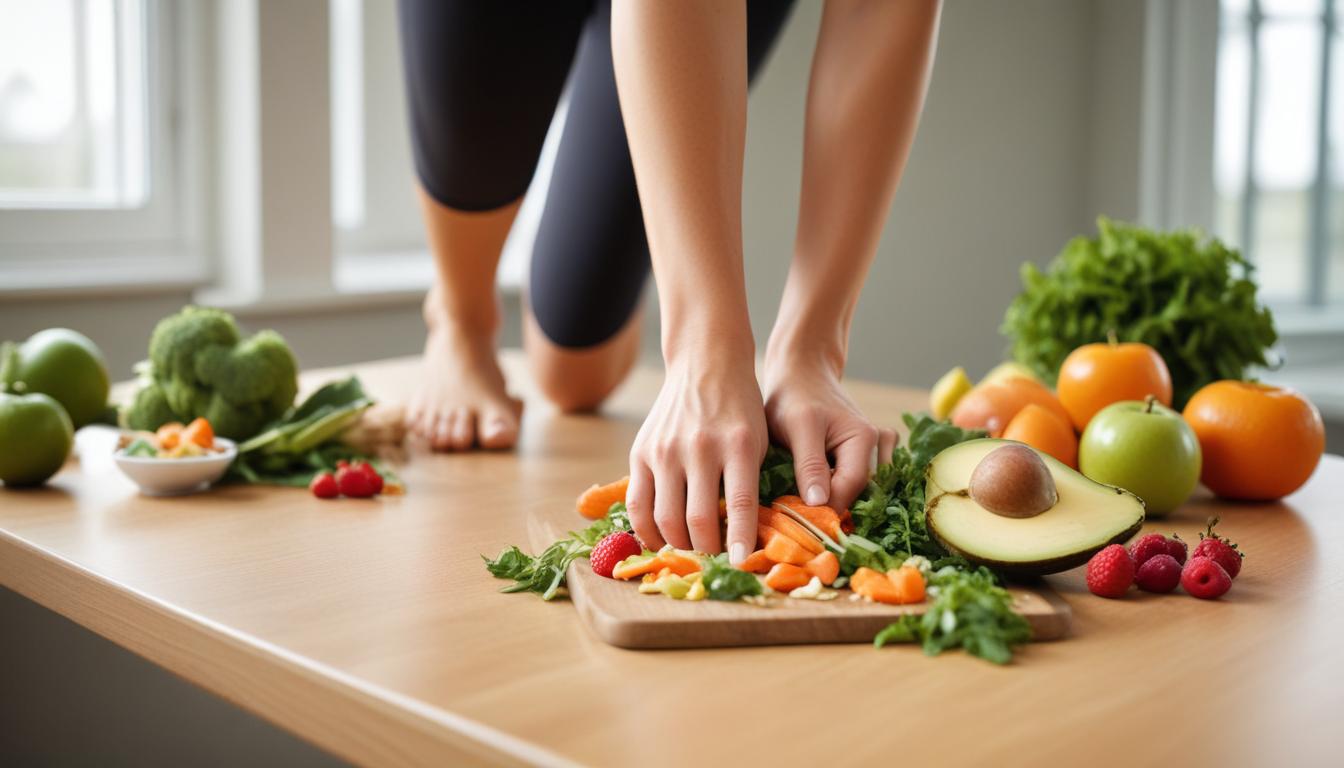
Work with the seasons, not against them. Mango season (October to December), açaí availability, and locally grown papaya and guava fluctuate dramatically. CEAGESP (the city's central market on Rua Gusmão, Vila Mariana) shows that buying seasonal produce costs 30–40% less and contains peak nutrient density. A registered dietitian framework suggests aligning your intake with what's naturally abundant—your wallet and nutrient profile benefit equally.
Account for air quality in your antioxidant strategy. São Paulo's air quality index regularly climbs during winter months (June–August). Evidence supports increasing foods rich in vitamins C and E: local orange juice (still affordable in Zona Leste markets), bell peppers, and nuts. The city's healthy café culture—concentrated in Vila Mariana, Pinheiros, and around Avenida Paulista—now regularly stocks antioxidant-rich açaí bowls and cold-pressed juices, making it easier to meet these needs consistently.
Hydration matters more here. São Paulo's humidity levels and intense summer heat (December–February) accelerate dehydration, yet many residents underestimate daily water needs. Studies recommend adjusting intake upward by 15–20% compared to temperate climates. Coconut water from street vendors near Ibirapuera Park offers a practical, affordable electrolyte option alongside plain water.
Navigate the processed-food trap strategically. Brazilian ultra-processed food consumption has risen sharply; however, the city's abundance of informal markets (feiras) in neighborhoods like Vila Madalena and Zona Norte makes whole-food shopping accessible. Shopping at feira twice weekly rather than relying on supermarket convenience saves money while improving dietary quality.
Protein timing supports busy schedules. Many São Paulo professionals skip lunch or eat erratically. Research shows spreading protein intake across meals—breakfast, lunch, afternoon snack, and dinner—maintains sustained energy and muscle preservation better than concentrated intake. The city's growing network of healthy meal-prep services and cafés makes this logistically feasible.
Consider iron status carefully. High-altitude living (São Paulo sits at 760 meters elevation) and plant-forward Brazilian meals mean some residents benefit from monitoring iron levels. Pairing beans and lentils (staples) with vitamin C sources enhances absorption—a simple, evidence-backed practice that costs nothing.
Effective nutrition in São Paulo isn't about restrictive diets imported from elsewhere. It's about understanding local food rhythms, climate demands, and your own schedule, then building sustainable habits around them. Consulting a registered dietitian at Hospital das Clínicas or local health centers can personalize these principles further.
This article was compiled by AI from the sources linked above and screened before publishing. See our editorial standards.
How does this story make you feel?
Spread the word
About this article
Published by The Daily São Paulo
Daily brief
Free, in your inbox before 7am. Weekdays.
More in Wellness