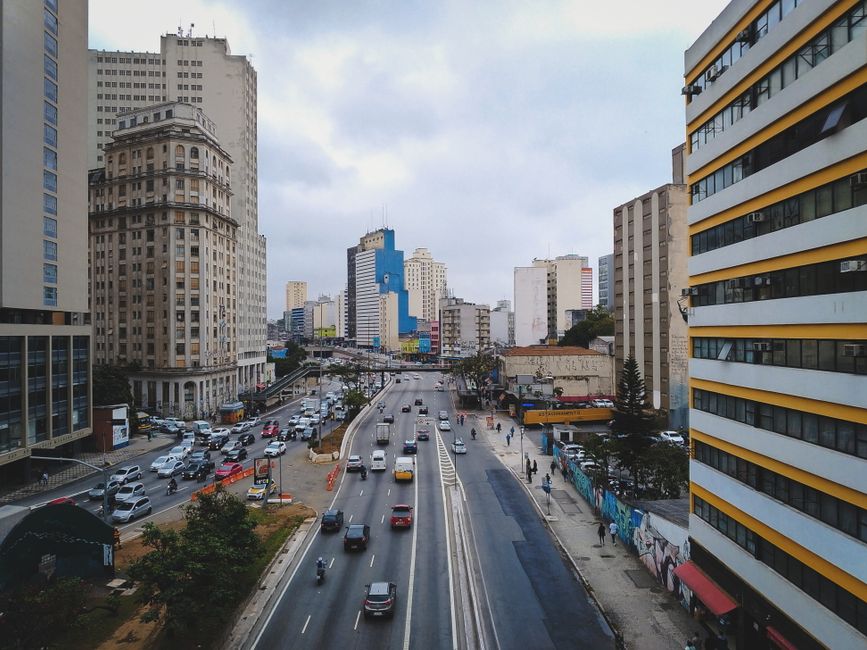
At 63, Maria Silva began her mornings cycling along Avenida Paulista. Her decision wasn't intuitive; it was informed by decades of gerontological research now reshaping how Brazil's rapidly ageing population approaches wellness. Recent studies from the University of São Paulo's School of Medicine and Hospital das Clínicas have reinforced what international research has long suggested: structured movement in later life doesn't just improve fitness—it fundamentally rewires mobility and independence.
The science is compelling. Longitudinal studies tracking adults over 60 consistently show that those maintaining moderate physical activity experience 30–40% slower decline in functional mobility compared to sedentary peers. Sarcopenia—age-related muscle loss—accelerates dramatically without resistance and aerobic stimulus, yet remains reversible even after decades of inactivity. Research published by Brazil's National Institute of Science and Technology on Ageing indicates that just 150 minutes of moderate weekly activity correlates with measurable improvements in balance, gait stability, and fall prevention within eight weeks.
São Paulo's ageing demographic has created genuine demand for evidence-based wellness infrastructure. Ibirapuera Park now hosts structured morning exercise groups coordinated with local health units, where physiotherapists apply principles from mobility research. The city's expanding café culture around Rua Oscar Freire and Vila Madalena increasingly caters to active older adults, recognizing this demographic's purchasing power and wellness priorities. Several private clinics in Jardins district now offer movement assessments specifically designed around current gerontological benchmarks.
What distinguishes contemporary research from older fitness paradigms is nuance. It's not about intensity—it's about consistency and specificity. Studies show that older adults benefit more from varied, functional movement patterns (climbing stairs, carrying objects, balance work) than from isolated strength training. The research also reveals that social components matter neurologically: group activities in parks or classes trigger additional cognitive and mental health benefits beyond physical metrics.
The challenge remains accessibility. While private physiotherapy sessions in central São Paulo can exceed R$200 per hour, public health programmes through UBS units across neighbourhoods like Vila Mariana and Pinheiros offer subsidized group classes grounded in the same evidence base.
For anyone considering active ageing, the research consensus is clear: movement isn't optional luxury for older adults—it's foundational infrastructure for maintaining independence. The timing matters less than the decision itself.
Consult local healthcare providers before beginning new exercise programmes, particularly if managing existing conditions.
This article was compiled by AI from the sources linked above and screened before publishing. See our editorial standards.