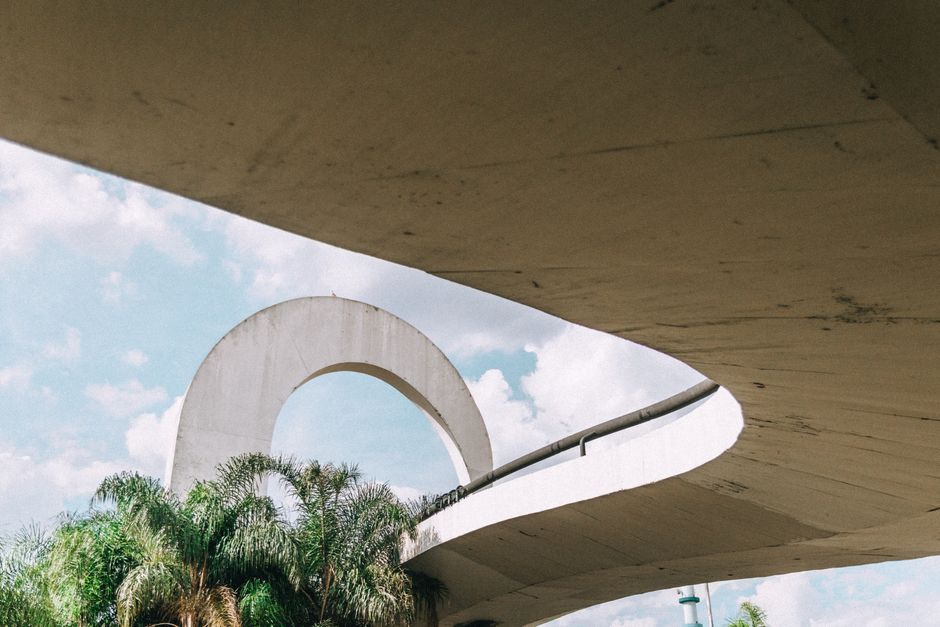
While global wellness reports trumpet the rise of outdoor fitness as a post-pandemic staple, São Paulo has quietly been capitalizing on what many international cities are only now embracing: accessible, urban green spaces designed for serious training. The difference? Local adoption rates suggest the city's runners and cyclists are sophisticated participants in a trend that's already reshaping urban health infrastructure globally.
Ibirapuera Park remains the epicenter. Its 1.6-kilometer circuit draws thousands weekly, with early-morning runners stacking along the pathways by 6 a.m.—a phenomenon that mirrors global trends toward structured outdoor training. But the park's real value lies deeper: the adjoining cycle lanes and dedicated fitness zones signal intentional urban planning that positions São Paulo alongside cities like Copenhagen and Melbourne in the wellness infrastructure stakes.
The Avenida Paulista Sunday cycling initiative, now in its second decade, demonstrates sustained local investment in active culture. With road closures every weekend drawing an estimated 100,000 participants monthly, the avenue functions as both cardiovascular playground and social connector—a model gaining traction in cities worldwide but executed here with established community fabric.
However, numbers reveal selective uptake. While global cities report 35–45 percent of urban populations engaging in regular outdoor fitness, São Paulo's organized running clubs number fewer than 200, concentrated heavily in Zona Sul neighborhoods like Vila Mariana and Pinheiros. The infrastructure exists; accessibility and awareness gaps remain.
Trail-running culture, booming in Barcelona, Boulder, and Sydney, is nascent here. The Cantareira Mountains offer world-class elevation and distance, yet participation lags behind European counterparts. São Paulo's humid subtropical climate—averaging 22°C but spiking to 35°C during winter months—demands different training protocols than cooler-climate cities, yet localized coaching remains underdeveloped.
The emerging middle ground: São Paulo's healthy café culture and wellness-focused neighborhoods like Consolação are creating ecosystem momentum. Organizations like Hospital das Clínicas increasingly promote preventive outdoor activity, aligning with global medical consensus on exercise and longevity.
The trajectory suggests São Paulo is poised to amplify what's working globally while developing distinctly local fitness identity. Trail networks in Ibirapuera and expanding cycle lanes across Zona Leste mirror infrastructure investments in Copenhagen and Melbourne. Yet the gap between infrastructure and mass participation—between potential and uptake—remains São Paulo's next frontier in wellness innovation.
This article was compiled by AI from the sources linked above and screened before publishing. See our editorial standards.