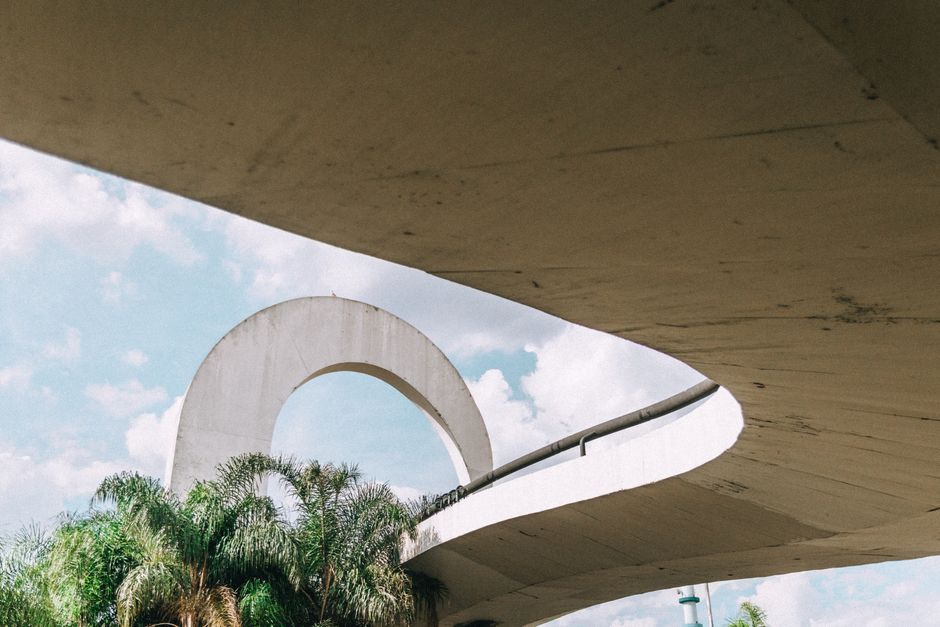
When Dr. Helena Ribeiro began her morning tai chi sessions at Ibirapuera Park three years ago, she joined a quiet revolution. The 68-year-old cardiologist was following a global wellness blueprint—one that positions active ageing not as luxury, but as essential infrastructure for healthy longevity. Yet her experience also reveals São Paulo's contradictory position: a city where cutting-edge senior fitness programmes coexist with neighbourhoods where mobility remains an afterthought.
Globally, the World Health Organization's Active Ageing Framework has reshaped how wealthy nations approach those over 60. European cities invested heavily in accessible cycling paths and low-impact movement hubs. Japan pioneered community-based mobility centres. The United States saw a surge in specialised senior fitness franchises. São Paulo, with its ageing demographic—now 14% over 65—appeared poised to follow suit.
Yet the reality is patchier. Ibirapuera's sprawling fitness ecosystem, with its free outdoor gyms, walking trails, and organised aqua aerobics classes, attracts thousands weekly. The nearby Vila Mariana neighbourhood has seen private studios specialising in senior mobility multiply since 2023. Meanwhile, the Sunday cycling culture along Avenida Paulista—once dominated by younger riders—now includes dedicated slower-pace groups for active retirees, mirroring trends seen in Copenhagen and Barcelona.
But venture beyond affluent zones. Public healthcare facilities under the Unified Health System (SUS) offer limited specialised senior movement programmes. A physiotherapy session at Hospital das Clínicas may involve a three-month waiting list. Private options in Consolação or Pinheiros charge 150–250 reais per session—a barrier for many pensioners earning Brazil's median retirement income of approximately 2,000 reais monthly.
The disconnect matters. Global research shows that structured mobility programmes for seniors reduce falls by 30% and hospitalisation by 20%. São Paulo's fracture rates among those over 65 remain above OECD averages, partly reflecting unequal access to preventive movement initiatives.
Yet São Paulo's healthy café culture—the proliferation of juice bars and plant-based eateries across neighbourhoods like Vila Madalena and Pinheiros—offers an unexpected strength. Unlike some global cities, movement here integrates naturally with broader lifestyle shifts, not as isolated fitness trends.
The path forward requires municipal investment. A network of subsidised senior mobility centres, trained instructors in underserved areas, and integration with SUS would align local practice with global evidence. São Paulo has the expertise and infrastructure. What remains is political will—and resources—to ensure active ageing becomes equitable, not exclusive.
This article was compiled by AI from the sources linked above and screened before publishing. See our editorial standards.