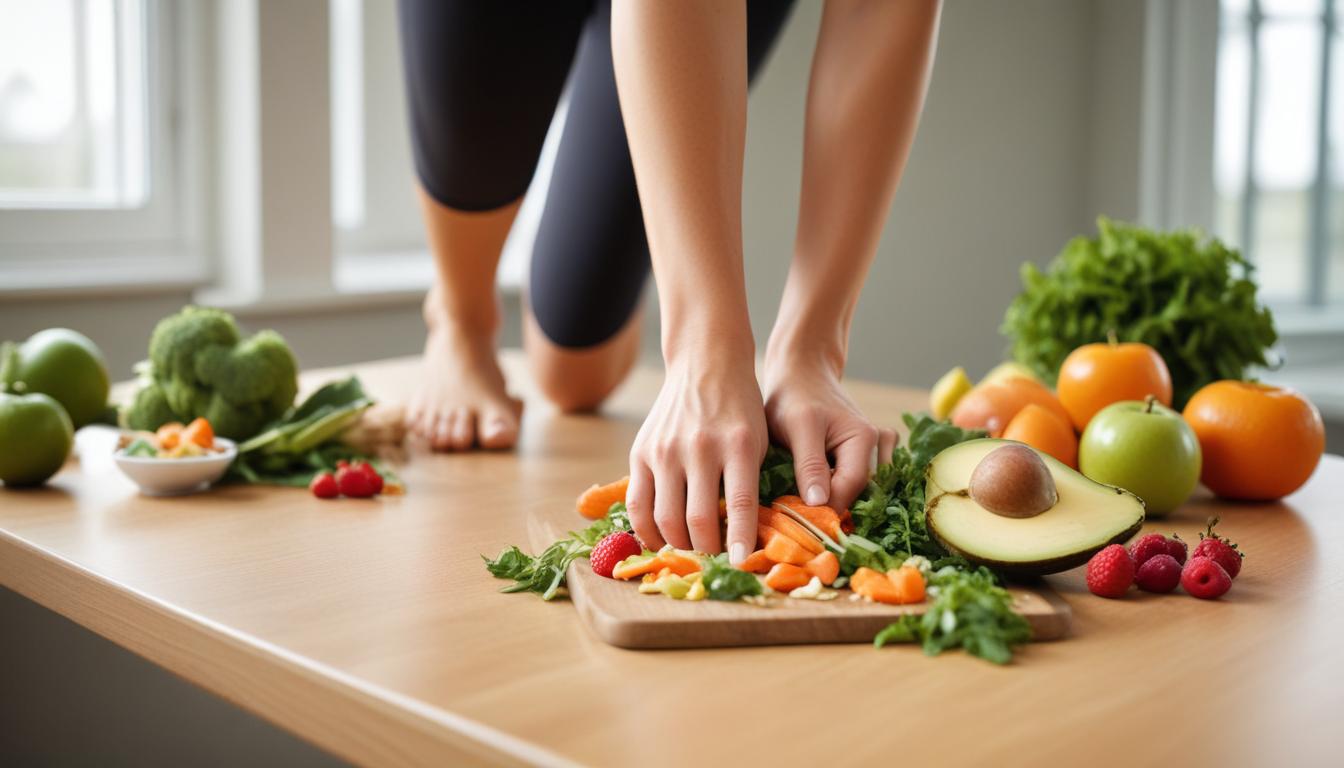
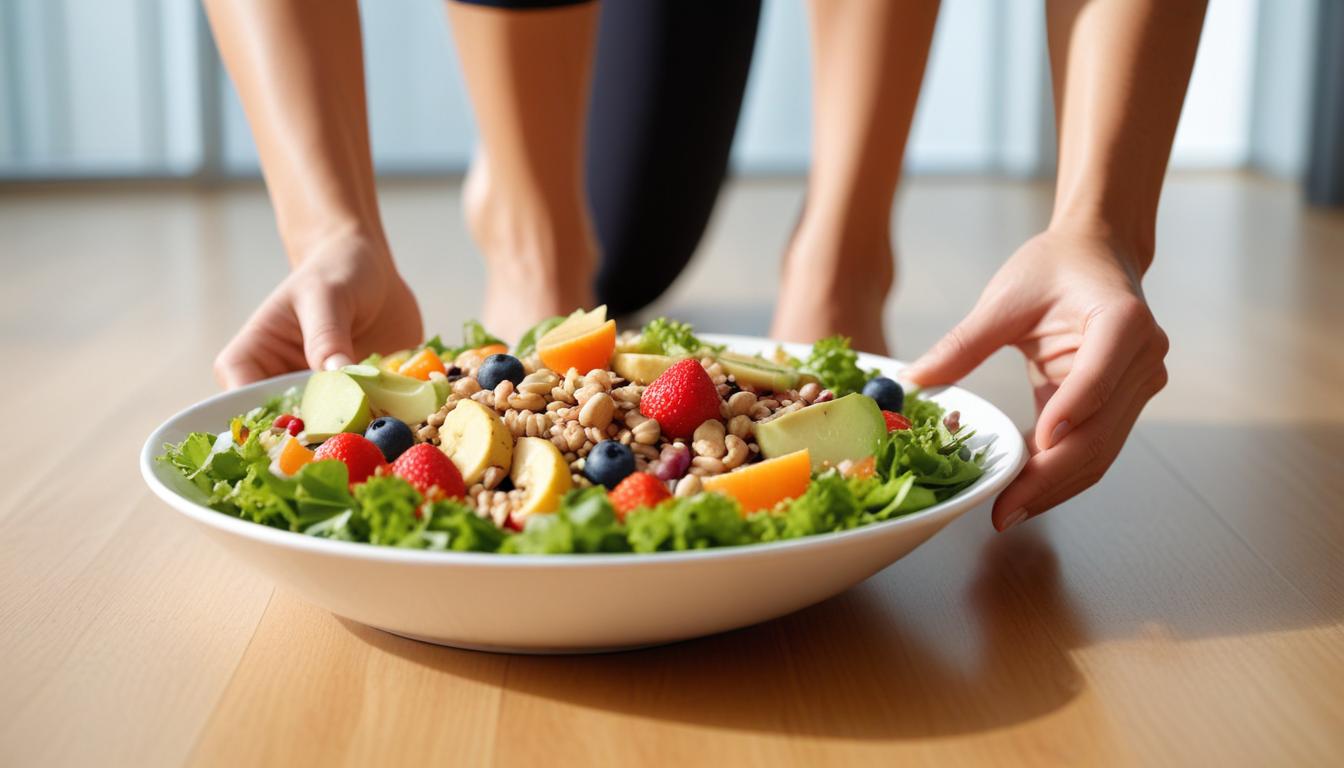
Walk through the Vila Madalena farmers market on a Saturday morning, and you'll witness a shift quietly reshaping how São Paulo approaches food. Stalls overflow with caqui, jussara berries, and indigenous crops that nutritionists worldwide are only now discovering. Yet the city's embrace of global wellness trends—from keto culture to adaptogenic lattes—tells a more complex story about how paulistas navigate nutrition in 2026.
The tension is real. International wellness platforms champion intermittent fasting and protein-heavy diets, while São Paulo's traditional food culture remains anchored in rice-and-beans fundamentals and seasonal produce. Data from the São Paulo Nutrition Association suggests that while 34% of affluent residents in Jardins and Pinheiros follow some form of structured diet trend, adoption rates drop sharply in peripheral neighbourhoods, where cost and access remain primary nutritional drivers.
The healthy café boom along Avenida Paulista reflects this duality perfectly. Cold-pressed juice bars and açaí bowls sit adjacent to traditional pastel vendors, each serving their clientele. Premium wellness spots—concentrated in Vila Romana and Consolação—charge R$28-45 for grain bowls and smoothies, pricing that remains inaccessible for most paulistas. Meanwhile, CEAGESP (the Central de Abastecimento) continues processing 500+ tonnes of produce daily, keeping neighbourhood feira prices stable and local.
What's genuinely shifting is ingredient awareness. Quinoa remains niche; carioca beans, leafy greens like ora-pro-nóbis, and palm-heart derivatives are reclaiming nutritional prestige. Hospital das Clínicas' nutrition department has noted increased patient interest in locally-sourced, seasonal eating over the past three years—a move away from imported supplement dependency.
The neighbourhood distinction matters enormously. Residents near Ibirapuera Park's fitness culture increasingly research macronutrients and meal-prep strategies. In Itaquera or São Miguel Paulista, food security and affordability overshadow wellness trends. Neither approach is wrong; both reflect legitimate priorities.
São Paulo's real nutrition story isn't about abandoning global trends or dismissing local wisdom. It's about selective adoption. Young professionals adopt intermittent fasting while their parents maintain traditional meal timing. Açaí bowls coexist with tapioca. Premium wellness spaces flourish in affluent zones while feira culture remains the city's nutritional backbone.
The healthiest eating pattern emerging isn't a trend imported from California or Singapore—it's pragmatic, affordable, seasonal, and rooted in what grows here. That's distinctly São Paulo.
This article was compiled by AI from the sources linked above and screened before publishing. See our editorial standards.