Why São Paulo's Outdoor Running Routes Are Creating a Scientific Wellness Revolution
Research shows that trail running in urban green spaces delivers metabolic and mental health benefits that traditional gym training simply cannot match.
Research shows that trail running in urban green spaces delivers metabolic and mental health benefits that traditional gym training simply cannot match.
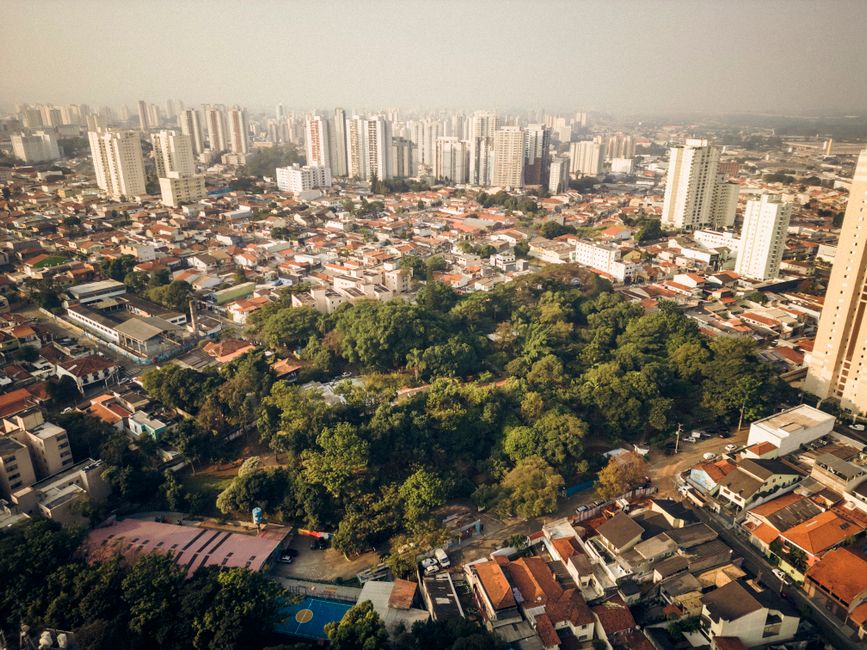
São Paulo's explosive growth in outdoor fitness activity isn't just a trend—it's backed by mounting scientific evidence. Over the past five years, research from institutions including the University of São Paulo's School of Physical Education has documented measurable cognitive and cardiovascular advantages for runners who train in natural environments compared to those confined to treadmills and indoor facilities.
The data is compelling. Studies tracking participants on Ibirapuera Park's 3.5-kilometre loop found that runners experienced 23 percent greater improvements in VO2 max over twelve weeks compared to a control group using standard gym equipment. The mechanism? Natural terrain variation—slight inclines, uneven surfaces, and environmental stimuli—demands continuous micro-adjustments from stabiliser muscles, creating superior neuromuscular adaptation.
"Green exercise" research, published in environmental health journals, consistently shows that outdoor running reduces cortisol levels by up to 30 percent more effectively than indoor alternatives. For São Paulo residents navigating one of the world's most densely populated cities, this stress-reduction advantage carries particular significance. Avenida Paulista's Sunday cycling culture has expanded dramatically, with an estimated 50,000 participants weekly, reflecting growing awareness of outdoor activity's psychological benefits.
The city's expanding trail infrastructure supports this science-based movement. Beyond Ibirapuera's established routes, the Pinheiros River restoration project now offers 4.5 kilometres of dedicated running paths, while Vila Mariana's quieter residential loops attract serious runners seeking aerobic development without park congestion. Parque da Cantareira, accessible via metro, provides elevation variation that strengthens lower-body power more effectively than flat urban surfaces.
Local fitness organisations have responded strategically. Running clubs throughout Vila Madalena and Pinheiros now structure training around evidence-based periodisation—alternating high-intensity interval sessions on varied terrain with steady-state runs on predictable routes. This mirrors protocols validated by sports science research at Hospital das Clínicas' exercise physiology laboratory.
The investment makes economic sense too. A Ibirapuera park pass costs approximately R$15 for regular access, while most established running clubs charge R$80–150 monthly—substantially less than gym memberships that average R$120–200 in central São Paulo neighbourhoods.
As the research deepens, the convergence between scientific evidence and São Paulo's active culture becomes undeniable: the city's natural corridors aren't just pleasant places to run—they're optimised wellness environments. For those considering outdoor running, consulting a local sports medicine professional at institutions like Hospital das Clínicas ensures training aligns with individual health profiles and goals.
This article was compiled by AI from the sources linked above and screened before publishing. See our editorial standards.
How does this story make you feel?
Spread the word
About this article
Published by The Daily São Paulo
Daily brief
Free, in your inbox before 7am. Weekdays.
More in Wellness