How São Paulo's Seniors Are Rewriting Their Health Stories, One Neighborhood at a Time
From Ibirapuera Park to Vila Madalena's fitness studios, older adults are challenging assumptions about aging through community-driven movement and connection.
From Ibirapuera Park to Vila Madalena's fitness studios, older adults are challenging assumptions about aging through community-driven movement and connection.
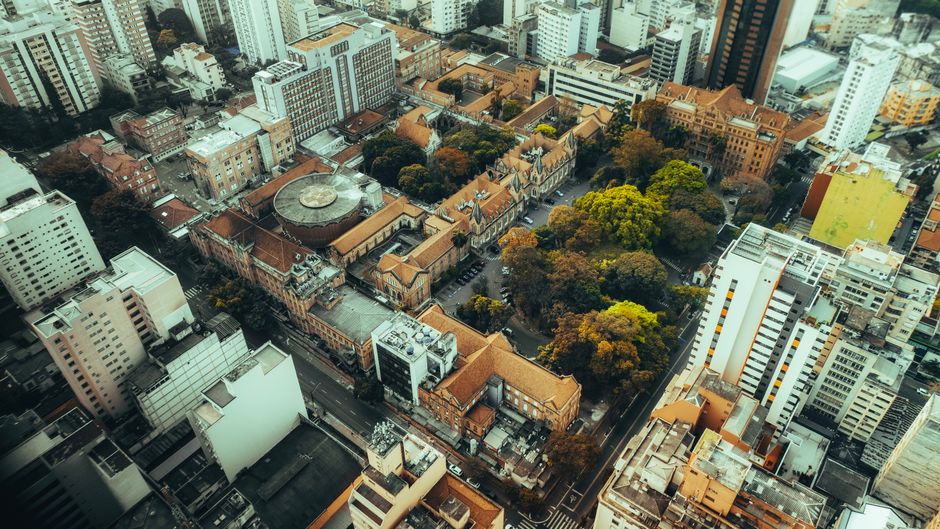
On any Sunday morning along Avenida Paulista, you'll spot them: cyclists in their sixties and seventies, moving steadily through the car-free lanes, their posture upright, their pace deliberate. These aren't isolated cases of exceptional aging. They're part of a quiet but powerful shift happening across São Paulo's neighborhoods, where seniors are actively reshaping what mobility and wellness look like in their later decades.
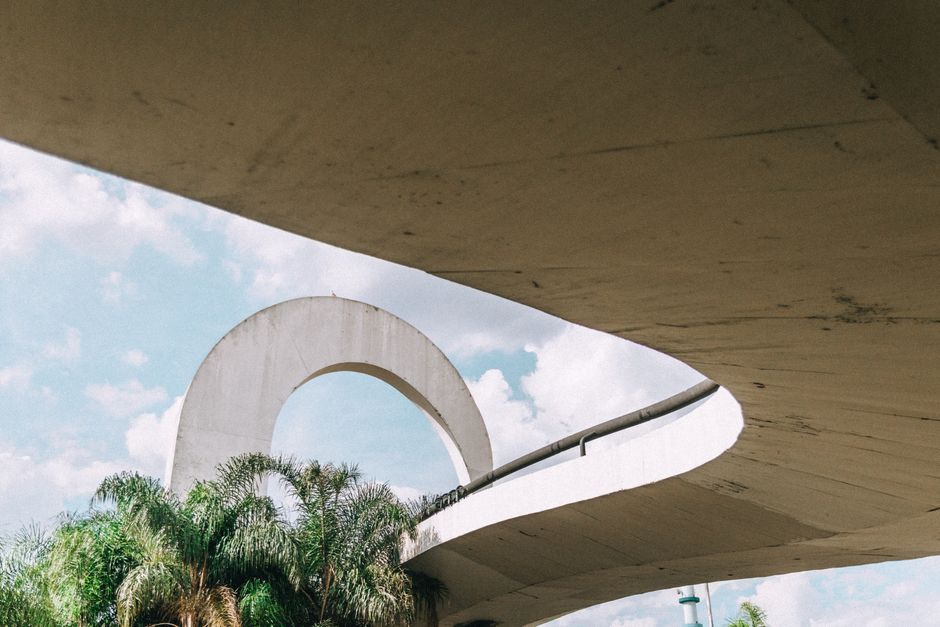
Ibirapuera Park has become ground zero for this movement. The park's 1,584 acres attract thousands of older adults weekly—some walking its perimeter paths, others participating in tai chi sessions near the lake, and an growing number joining low-impact fitness classes on the lawns near the Museu do Ipiranga. Local physiotherapists report increased demand for mobility coaching specifically designed for active aging, with consultation fees ranging from R$150–R$300 per session in the surrounding neighborhoods.
What's driving this transformation? Partly, it's access. São Paulo's healthy café culture—now flourishing in Vila Madalena and Pinheiros—has made post-exercise nutrition convenient and social. Partly, it's community. Neighborhood groups organized through apps and local leisure centers (CEUs) offer free or low-cost group activities: walking clubs, aqua aerobics at municipal pools, and strength training adapted for joint health. Hospital das Clínicas and other major medical centers have also expanded geriatric wellness programs, with some offering subsidized movement classes through the public health system.
But perhaps most importantly, it's visibility. When older adults see their peers staying active—cycling, hiking, attending dance classes—the narrative shifts. Aging becomes something to engage with actively, not something to endure passively.
The data supports what's visible on the streets: according to São Paulo's municipal health department, participation in age-inclusive fitness programs has grown approximately 22% over the past three years. More seniors are reporting better mobility, reduced joint pain, and improved mental health markers tied to community engagement.
Of course, access remains unequal. Neighborhoods farther from Ibirapuera or major wellness hubs face gaps in programming. But the momentum is real. Across Vila Madalena's boutique studios, Pinheiros' running clubs, and the organized Sunday cycling routes, São Paulo's older adults are proving that active aging isn't an exception—it's becoming the new standard, one neighborhood story at a time.
For personalized health guidance, consult with professionals at Hospital das Clínicas or your local healthcare provider.
This article was compiled by AI from the sources linked above and screened before publishing. See our editorial standards.
How does this story make you feel?
Spread the word
About this article
Published by The Daily São Paulo
Daily brief
Free, in your inbox before 7am. Weekdays.
More in Wellness