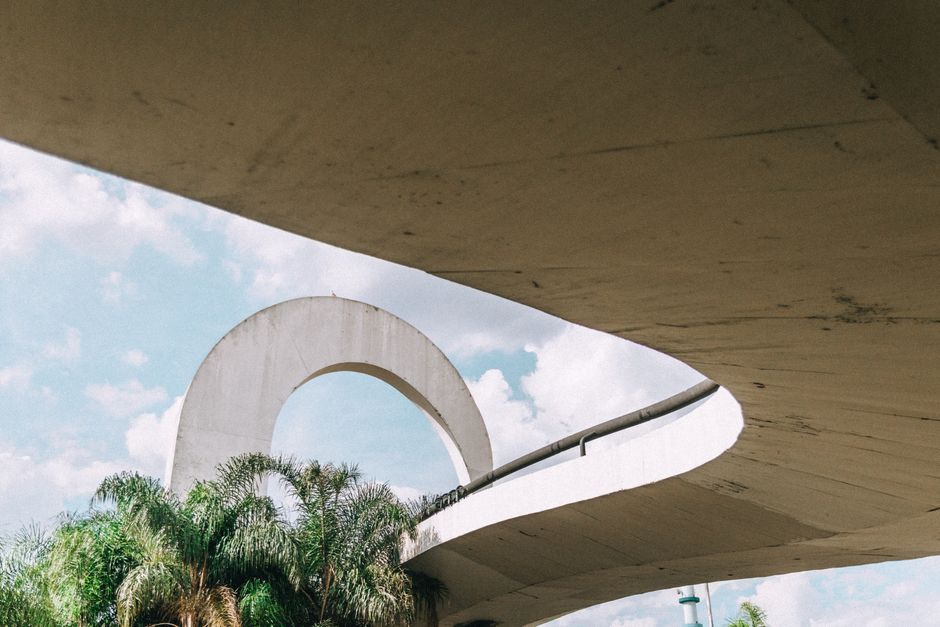
On a Tuesday morning in Vila Mariana, the Ibirapuera Park fitness hub buzzes with energy that defies conventional ideas about retirement. Walking paths wind through native Atlantic Forest, and outdoor gym equipment—free to use—attracts clusters of regulars in their 60s, 70s, and beyond. This scene repeats across São Paulo's neighborhoods, where accessible wellness infrastructure is quietly reshaping how older adults approach health.
The shift reflects a broader movement. According to Brazil's National Health Foundation, mobility-focused programmes for seniors have expanded 40% since 2023. Hospital das Clínicas' geriatric wellness department reports that patients engaging in consistent community-based activity show measurable improvements in joint flexibility and balance within 12 weeks—particularly those who start with low-impact routines.
What makes São Paulo's transformation distinct isn't the programmes themselves, but their accessibility. Avenida Paulista's Sunday cycling initiatives have introduced adapted bikes for older riders, while neighbourhood centres in Pinheiros and Jardins now offer subsidised aquatic therapy sessions—water-based movement that protects joints while building strength. Monthly passes average R$180, significantly lower than private gym memberships.
The real catalyst, however, is community. At centres like the Núcleo de Saúde in Consolação, group fitness classes function as social anchors. Members report that the accountability of showing up for friends often matters more than fitness goals alone. Walking clubs that depart from Avenida Paulista train stations now attract 200+ participants weekly, creating informal mentorship where newcomers learn pacing strategies from those further along their journeys.
Geriatrician specialists emphasize that this grassroots approach addresses a critical gap. Many over-60s abandon fitness routines because they feel isolated or intimidated in traditional gyms. Community-centred spaces—whether Ibirapuera's open-air circuits or neighbourhood parks in Tatuapé and Saúde—normalise movement as social ritual rather than obligation.
The outcomes extend beyond physical metrics. Participants report improved sleep, reduced anxiety, and stronger neighbourhood connections. One Pinheiros-based tai chi collective expanded from eight members to forty in eighteen months, entirely through word-of-mouth.
For those considering starting: begin where you live. Most São Paulo neighbourhoods now have free or low-cost community fitness options. Consult your doctor before beginning any new activity, then visit your local centro de saúde for guidance on programmes tailored to your mobility level. The transformation isn't about becoming an athlete—it's about becoming active within your community.
This article was compiled by AI from the sources linked above and screened before publishing. See our editorial standards.