From Desk to Trail: How São Paulo Runners Found New Lives on Local Routes
Community fitness hubs across the city are rewriting health stories, one morning run at a time.
Community fitness hubs across the city are rewriting health stories, one morning run at a time.
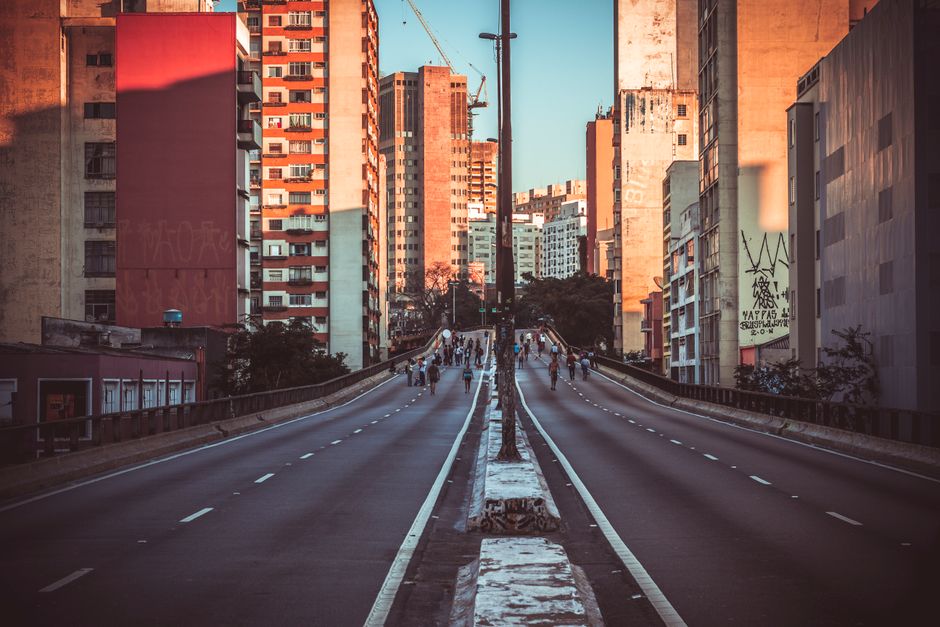
Every Sunday dawn, the cycling paths of Avenida Paulista transform into a moving conversation about second chances. But it's the quieter trails—winding through Ibirapuera Park, threading along the Pinheiros River greenways, and cutting through Vila Madalena's tree-lined streets—where São Paulo's most profound fitness transformations are happening.
The running culture in São Paulo has matured significantly over the past five years. Local fitness apps now track over 47,000 regular runners using parks and public routes across the city's Zone South alone. What distinguishes today's movement is less about performance metrics and more about accessibility and belonging.
Ibirapuera Park remains the epicentre. The 1.6-kilometre loop around the park's perimeter hosts informal running collectives most mornings, with groups forming organically around pace levels rather than exclusive memberships. Nearby, the Parque Tenente Siqueira Campos (Trianon Park) offers a 1.2-kilometre circuit favoured by those seeking shade beneath native Atlantic Forest species—crucial during São Paulo's intensifying summers.
The city's emerging healthy café culture—concentrated along Rua Oscar Freire in Jardim Paulista and radiating through Pinheiros—has anchored post-run rituals into neighbourhood identity. Coffee shops now routinely offer electrolyte beverages and protein-focused breakfasts at 15–35 reais, normalising fitness as part of daily urban rhythm rather than specialised practice.
Hospital das Clínicas, the region's world-class medical institution, has partnered with local running groups to offer free gait analysis clinics quarterly. This integration of medical expertise with grassroots fitness culture represents a shift: prevention and community precede treatment.
The Pinheiros River Rehabilitation Programme has gradually opened safer waterside paths in recent years. While water quality remains monitored, the adjacent trails now link Parque Villa-Lobos to emerging neighbourhoods like Pompeia, creating longer, scenic routes that previously didn't exist for casual runners.
What emerges from conversations with long-term participants is consistent: these trails became anchors during periods of professional uncertainty, health setbacks, or life transitions. The visibility of diverse bodies moving through familiar public spaces—Ibirapuera's Japanese garden, Vila Madalena's street art walls, the Paulista's urban architecture—normalised fitness as a personal journey rather than performance.
São Paulo's transformation isn't about record times or marathon seasons. It's about the grandmother discovering her capacity on a Trianon morning, the desk worker rebuilding confidence on Ibirapuera's loop, the community claiming its own streets for health. That's the real story these trails are telling.
This article was compiled by AI from the sources linked above and screened before publishing. See our editorial standards.
How does this story make you feel?
Spread the word
About this article
Published by The Daily São Paulo
Daily brief
Free, in your inbox before 7am. Weekdays.
More in Wellness