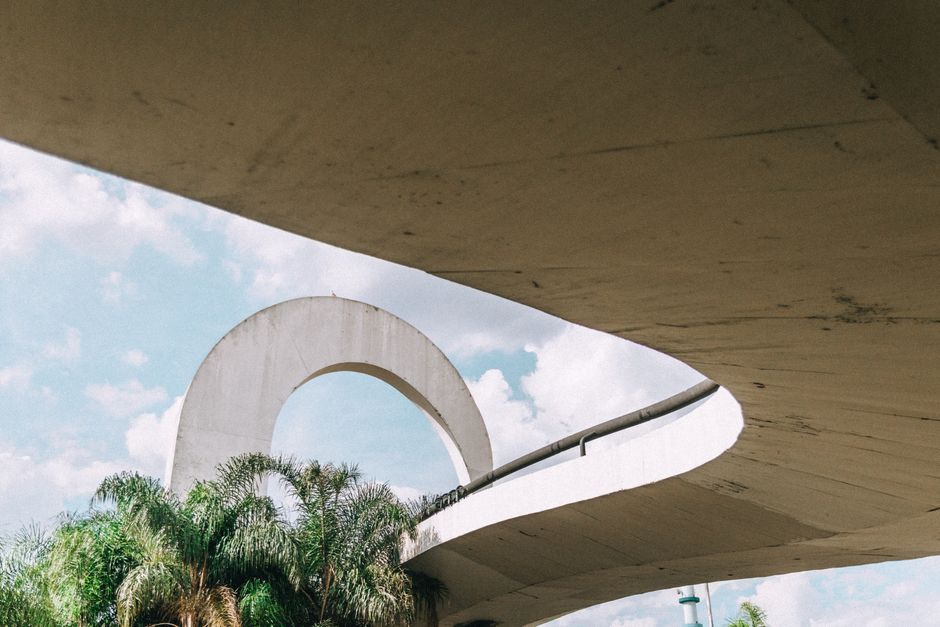
Walk through Ibirapuera Park on any weekday morning, and you'll notice something that would have seemed unlikely a decade ago: clusters of people in their 60s, 70s and beyond moving with deliberate intention—stretching, walking with purpose, practising balance exercises on the grass near the Museu de Arte Moderna. This isn't coincidence. São Paulo is experiencing a measurable shift in how its ageing population approaches mobility and active living, one that's reshaping fitness culture across the city's wealthier and middle-class neighbourhoods alike.
The trend reflects broader demographics. Brazil's population aged 60 and over is projected to represent nearly 30 per cent of the total by 2050, according to recent data from IBGE. São Paulo, as the nation's economic hub, is feeling this shift acutely—and responding with infrastructure and programming that barely existed five years ago. The city's health secretariat has expanded subsidised mobility classes specifically designed for older adults, while private wellness studios from Vila Mariana to Pinheiros now advertise "senior-specific" strength and flexibility programmes, many priced between R$150–R$250 per class.
Ibirapuera's expansion of dedicated pathways and the creation of functional fitness zones has been particularly significant. Sunday cycling events along Avenida Paulista have also grown to include slower-paced, family-oriented rides that attract participants well into their later years—a stark contrast to the speed-focused culture that dominated just a few years back.
What's driving this isn't vanity alone. Practitioners and instructors cite a growing awareness that mobility—the ability to move freely and independently—directly correlates with quality of life, cognitive health and longevity. Local physiotherapists at Hospital das Clinicas and private practices report increasing numbers of patients seeking preventative movement programmes rather than waiting for injury or decline.
The trend has also taken root in São Paulo's thriving café culture. Neighbourhoods like Vila Madalena and Consolação now host informal morning tai chi gatherings in public squares, often organised by community groups and NGOs focused on active ageing. Some gather outside popular coffee spots, blending wellness with social connection—a distinctly São Paulo approach to health.
Instructors stress that this isn't about competition or aesthetic transformation. Instead, the philosophy centres on maintaining independence, preventing falls, and sustaining the ability to enjoy the city itself—whether that means climbing the stairs at Museu Pinacoteca, exploring Rua 25 de Março markets, or simply playing with grandchildren in local parks.
As this demographic continues to grow, expect São Paulo's wellness infrastructure to evolve further, making active ageing accessible across income levels and neighbourhoods.
This article was compiled by AI from the sources linked above and screened before publishing. See our editorial standards.