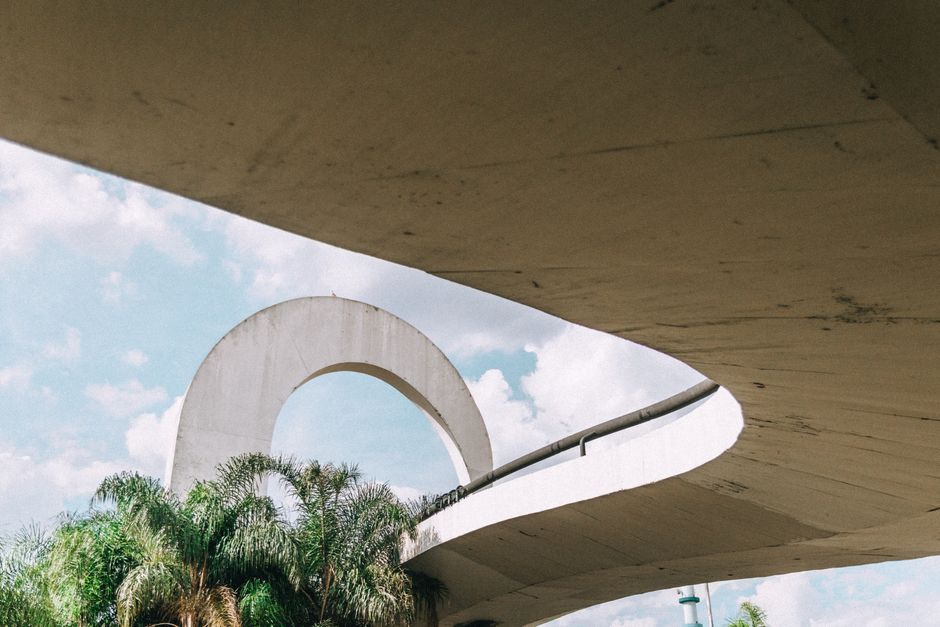
Walk through Ibirapuera Park on any weekday morning, and you'll spot dozens of residents unrolling mats near the Museu de Arte Moderna. Five years ago, this scene was rare. Today, it signals a profound shift in how São Paulo—a city long synonymous with relentless hustle—is embracing yoga and meditation as essential wellness tools.
The transformation is measurable. The wellness sector in São Paulo expanded by approximately 23 per cent between 2022 and 2025, with yoga studios and meditation centres accounting for a significant portion of that growth. Studios in neighbourhoods like Vila Mariana, Pinheiros, and Jardins now operate at near-capacity during peak hours, a stark contrast to a decade ago when such practices were confined to exclusive enclaves.
Several factors have accelerated this trend. First, affordability has shifted. While premium studios on Rua Augusta still command premium fees—often R$150 to R$200 per class—community-led initiatives and app-based instruction have democratised access. Many studios now offer introductory packages from R$80 onwards, making participation accessible to middle-income residents navigating São Paulo's intense work culture.
Corporate wellness adoption has been equally transformative. Major employers, particularly in the financial and tech sectors clustered along Avenida Paulista, have incorporated on-site meditation and yoga programmes. This institutional endorsement has legitimised these practices in the eyes of traditionally sceptical professionals, shifting perception from luxury indulgence to preventive health strategy.
The city's café culture has also played an unexpected role. Establishments across Vila Madalena and Pinheiros now advertise post-yoga smoothie bowls and matcha lattes, creating integrated wellness experiences that feel natural to urban routines. This ecosystem approach—combining movement, nutrition, and community—resonates with residents seeking holistic balance rather than isolated interventions.
Public institutions are taking notice too. Hospital das Clínicas has expanded its integrative medicine department, now offering meditation-based stress reduction programmes. Meanwhile, Ibirapuera's management has formalised yoga zones with scheduled instructors, recognising demand that local practitioners identified years earlier.
Importantly, this trend reflects deeper anxieties. São Paulo's notoriously congested commutes, air quality concerns, and competitive work environment have created genuine appetite for tools that address stress and mental clarity. Yoga and meditation appeal because they're portable, evidence-based, and culturally flexible—fitting seamlessly into existing routines.
As the practice matures beyond trend status, the challenge will be maintaining accessibility while sustaining quality instruction. For now, São Paulo's wellness landscape is undeniably expanding, with meditation mats becoming as common as smartphone screens on the city's streets.
This article was compiled by AI from the sources linked above and screened before publishing. See our editorial standards.