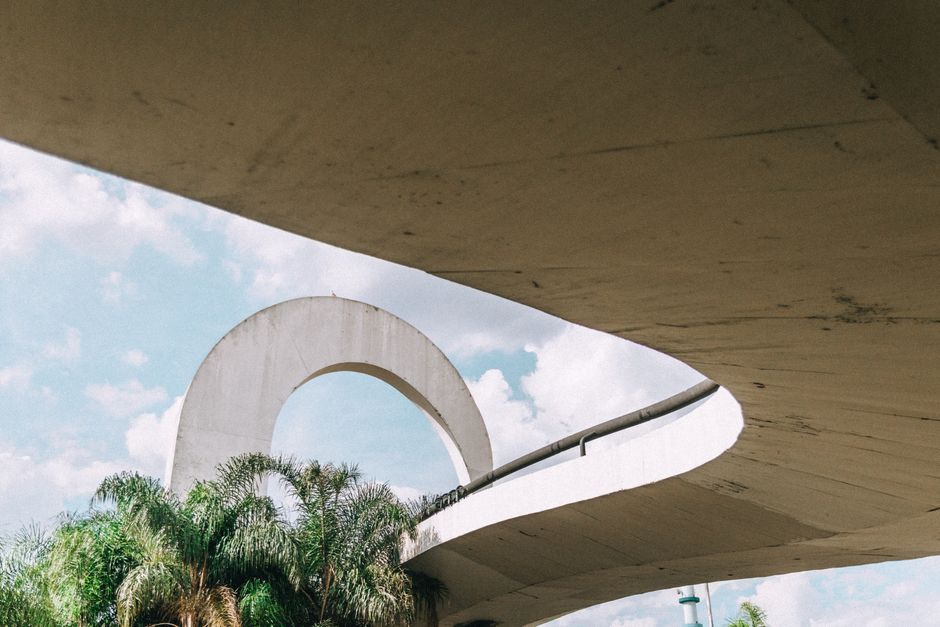
Walk through Ibirapuera Park on any weekday morning, and you'll witness a quiet revolution. Groups of adults in their 60s, 70s and beyond gather near the Auditório Ibirapuera, moving through tai chi sequences, water aerobics classes, and guided walks. What was once considered a niche activity—structured fitness for older adults—has become woven into the fabric of São Paulo's wellness culture.
The shift reflects a broader transformation taking hold across Brazil's largest city. Active ageing, a World Health Organization framework centred on maintaining physical, mental and social wellbeing throughout later life, has moved from academic discussion into practical urban planning. And São Paulo, with an ageing population (roughly 15% of residents are over 65), is leading the charge.
"We're seeing demand we didn't anticipate five years ago," says the director of a major geriatric wellness programme operating across the Zona Sul. Fitness studios in Vila Mariana and Jardim Paulista now offer dedicated classes for mobility, strength and balance—not as medical interventions, but as mainstream offerings. Monthly memberships typically range from R$150 to R$400, making them accessible to a growing middle-class demographic.
The Sunday cycling culture on Avenida Paulista has similarly evolved. Groups led by organisations focused on active ageing now regularly attract participants over 60, many of whom report discovering cycling for the first time in their lives. The city's ciclovias—protected bike lanes expanding steadily across neighbourhoods like Pinheiros and Vila Madalena—have made this possible.
Neighbourhood health centres and pharmacies across the city increasingly host free or low-cost mobility programmes. Hospital das Clínicas, São Paulo's world-class teaching hospital, has expanded its gerontology outreach, partnering with community centres to offer consultations on exercise and fall prevention.
The café culture that defines Paulista life has adapted too. Health-conscious cafés from Consolação to Itaim Bibi now prominently feature anti-inflammatory options and nutritional information—catering to older adults reconsidering their relationship with wellness.
What distinguishes São Paulo's approach is its integration: active ageing isn't segregated into senior centres, but embedded into existing public spaces and commercial offerings. This normalisation—treating 70-year-olds on bikes or in fitness classes as unremarkable—may be the city's most significant wellness trend.
For older adults considering entering this space, consulting local medical professionals at Hospital das Clínicas or neighbourhood health services remains essential before starting any new fitness programme.
This article was compiled by AI from the sources linked above and screened before publishing. See our editorial standards.