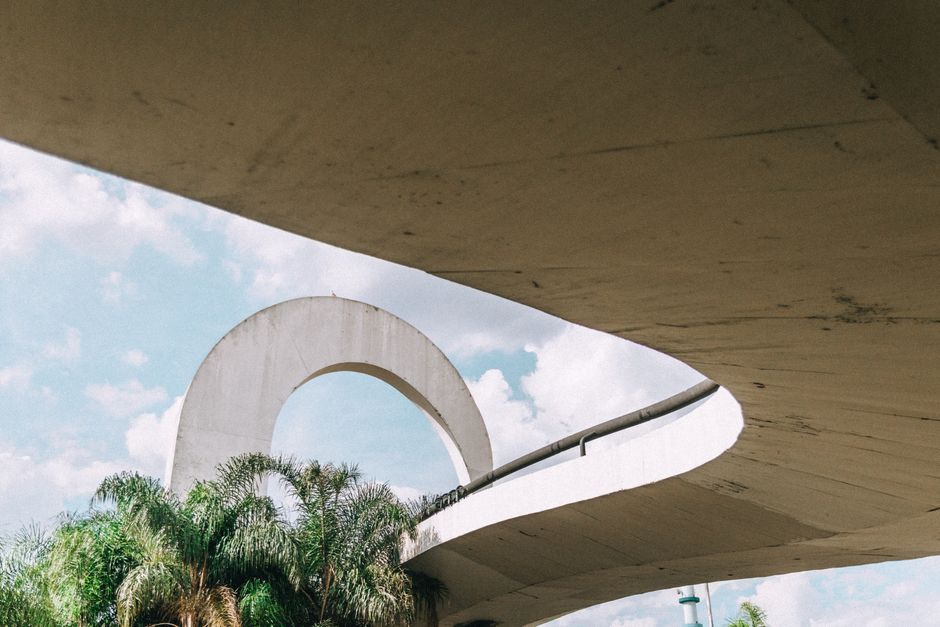
Every Saturday morning at 6 a.m., a cluster of runners gathers near the Monumento às Bandeiras in Ibirapuera Park. What began five years ago as a loose group of eight friends has evolved into a weekly gathering of over 150 people, each with their own story of physical and mental reinvention. This phenomenon—community-driven outdoor fitness reshaping how São Paulo residents approach their health—is no longer an anomaly. It's become a defining feature of the city's wellness landscape.
The Ibirapuera circuit, stretching nearly 3 kilometers through the park's green corridors, has become a natural hub for transformation. Local running clubs now operate structured programs here, with membership fees typically ranging from R$80 to R$150 monthly. Data from São Paulo's health secretariat indicates that park-based fitness participation increased by 34 percent between 2023 and 2025, with running trails accounting for the majority of new enrollees.
Beyond Ibirapuera, neighborhoods like Pinheiros and Vila Mariana have witnessed the emergence of dedicated running routes along the Pinheiros River margins. The newly improved pathways on Avenida Paulista's Sunday closures have created additional accessible spaces where residents of varying fitness levels engage in structured outdoor exercise. What distinguishes these spaces isn't the infrastructure alone—it's the community scaffolding that supports behavioral change.
Local organizations like Instituto Reúna and community sports centers throughout the city have documented consistent patterns: individuals who join structured running groups report sustained participation rates 60 percent higher than those attempting solo fitness routines. The social accountability, combined with professional coaching available through many programs, creates conditions for genuine lifestyle shifts.
The trails themselves tell stories. Hospital das Clínicas professionals increasingly recommend Ibirapuera-based running programs as complementary interventions for metabolic and cardiovascular management. Physical therapists across the city note that community-based running reduces injury rates compared to gym-isolated training, primarily because environmental variation and peer feedback create natural form correction.
What makes this movement distinctly Paulista is its integration into existing urban rhythms. Sunday cycling culture along Avenida Paulista has parallels in the growing running communities; both represent reclamation of public space for collective health. The city's healthy café culture—with numerous spots along fitness routes offering nutrient-focused refreshments—complements rather than contradicts these initiatives.
For residents considering joining, the barrier to entry remains intentionally low. Most community groups welcome newcomers regardless of fitness level, with entry costing nothing to minimal fees. The transformation stories emerging from São Paulo's trails suggest that the most powerful factor in sustained health change isn't individual willpower—it's belonging to a community moving in the same direction.
This article was compiled by AI from the sources linked above and screened before publishing. See our editorial standards.