From Armchair to Avenida: How São Paulo's Seniors Are Rewriting the Rules on Aging Well
Three community programs across the city are proving that mobility, strength, and joy don't have an expiration date.
Three community programs across the city are proving that mobility, strength, and joy don't have an expiration date.
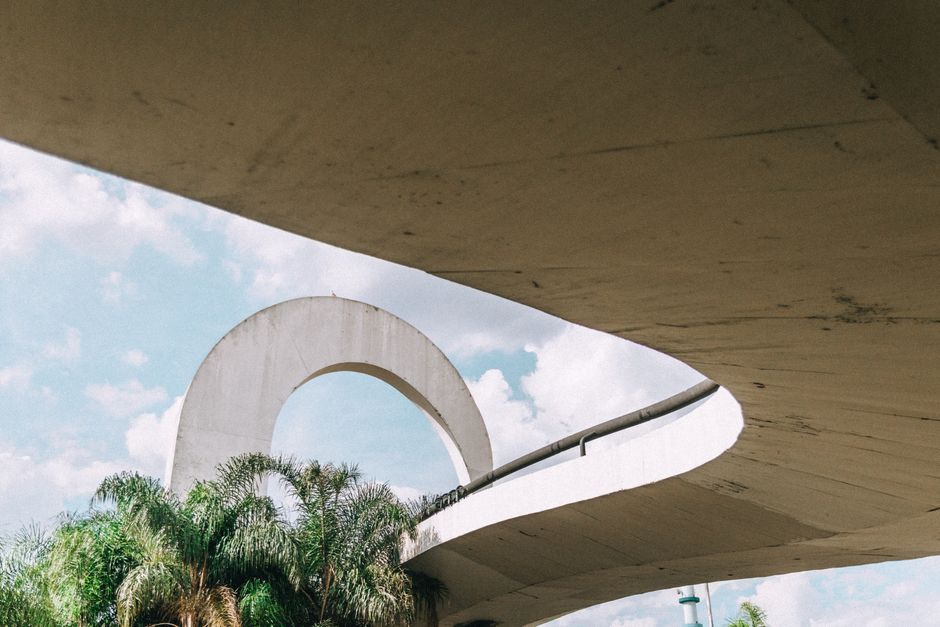
On a Wednesday morning in Ibirapuera Park, a group of fifteen people aged 65 and older moves through a series of low-impact exercises near the Monumento às Bandeiras. They're part of a free municipal wellness initiative that has quietly transformed how thousands of São Paulo seniors approach their health. What began three years ago as a pilot program with just thirty participants now attracts over 2,000 people weekly across the city's parks—a testament to how community-driven wellness is reshaping active aging in Brazil's largest metropolis.
The results speak louder than statistics. In the Pinheiros neighbourhood, regular participants report improved balance and reduced fall risk—a critical concern, given that falls account for nearly 40% of hospitalizations among Brazilian seniors. "Smaller, consistent movement is the foundation," explains the philosophy underlying these programs, echoing what joint health experts have been emphasizing: frequency matters more than intensity.
Just ten blocks away on Rua Bandeira, a converted warehouse in Vila Mariana hosts "Mobilidade Viva," a grassroots organization founded by physiotherapists and community volunteers. Since 2023, they've worked with over 400 seniors, many of whom arrive with mobility concerns ranging from arthritis to post-surgical recovery. Monthly fees start at 80 reais, making it accessible to middle-income residents across neighbourhoods like Consolação and Saúde. Participants don't just exercise; they form friendships that extend beyond the studio walls, often meeting for walks along Avenida Paulista on Sundays—a tradition that's become a visible marker of São Paulo's changing relationship with aging.
The Avenida Paulista Sunday cycling movement deserves special mention. What started as an informal gathering has evolved into a multigenerational phenomenon. Seniors now comprise nearly 20% of participants, many cycling routes adapted specifically for beginners and those recovering mobility. The social dimension—meeting neighbors, exploring the city at a manageable pace—proves as valuable as the cardiovascular benefits.
Hospital das Clínicas, one of South America's leading medical institutions, has begun partnering with these community programs, recognizing that prevention and consistent movement reduce readmissions. Their geriatric department now recommends specific local options to patients, legitimizing what communities have already discovered: transformation happens not in isolation but surrounded by peers facing similar challenges.
São Paulo's healthy café culture has adapted too. Establishments along Rua Oscar Freire and in the Jardins neighbourhood now cater specifically to active seniors, offering nutrient-dense options at reasonable prices. The message is clear: mobility and wellness aren't luxuries reserved for the young. They're community conversations waiting to happen, one neighbourhood at a time.
This article was compiled by AI from the sources linked above and screened before publishing. See our editorial standards.
How does this story make you feel?
Spread the word
About this article
Published by The Daily São Paulo
Daily brief
Free, in your inbox before 7am. Weekdays.
More in Wellness