Sleep wellness takes root in São Paulo: How the city's night culture is shifting toward rest
From Pinheiros to Vila Madalena, São Paulo residents are reimagining evening routines and sleep hygiene—and businesses are taking notice.
From Pinheiros to Vila Madalena, São Paulo residents are reimagining evening routines and sleep hygiene—and businesses are taking notice.
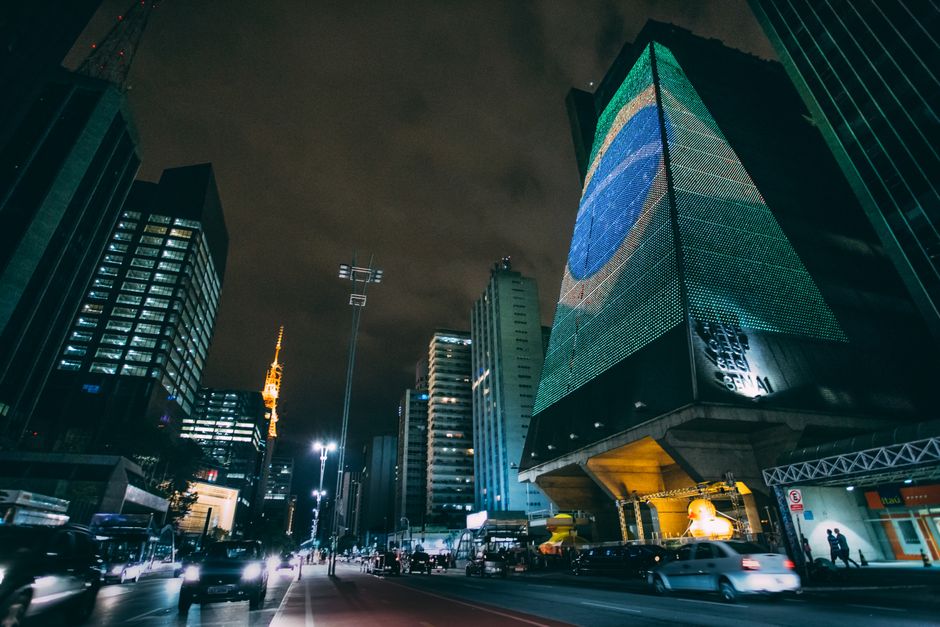
São Paulo's reputation as a city that never sleeps is well-earned. The streets of Avenida Paulista pulse until dawn, nightlife in Vila Madalena thrives seven days a week, and a culture of working late has long been normalized across corporate offices in the Zona Sul. Yet something unexpected is happening: sleep wellness has quietly become one of the city's fastest-growing lifestyle trends, challenging decades of hustle-culture mentality.
The shift is visible in neighbourhood pockets like Pinheiros and Consolação, where sleep-focused wellness studios have opened alongside traditional gyms over the past two years. Sleep meditation classes, circadian rhythm workshops, and recovery-focused coaching programmes are drawing crowds who once would have filled late-night bars. One wellness centre near Rua Augusta now offers guided napping sessions during lunch hours—a practice gaining traction among professionals seeking midday reset opportunities.
Data from local health clinics suggests this isn't superficial trend-chasing. Hospital das Clínicas and affiliated sleep medicine departments report a 23% increase in consultations related to sleep quality since 2024, indicating that residents are actively seeking professional guidance on rest. Simultaneously, São Paulo's café culture—historically associated with espresso and energy—is diversifying. Specialty cafés in Higienópolis and around Ibirapuera Park now offer herbal infusions, magnesium-rich beverages, and caffeine-free alternatives during evening hours, acknowledging shifting consumer priorities.
The trend reflects broader lifestyle changes. Weekend cycling on Avenida Paulista, traditionally a morning activity, has expanded to include relaxation-focused evening rides with slower pace and meditative focus. Even fitness hubs around Ibirapuera Park are restructuring class schedules, adding restorative yoga and breathwork sessions during traditionally busy evening slots.
Experts attribute this shift to pandemic aftereffects, rising stress awareness, and younger professionals questioning inherited work patterns. Unlike previous wellness movements focused on intensity, sleep wellness emphasizes restoration as an active health practice—not laziness, but necessary maintenance.
For those interested in exploring this trend, consultation with sleep specialists at local medical institutions like Hospital das Clínicas remains the foundation for personalized guidance. The wellness shift suggests São Paulo may finally be balancing its legendary energy with something equally valuable: intentional rest. Whether this signals a permanent cultural recalibration or a passing phase remains to be seen, but one thing is clear—the conversation around sleep in São Paulo has fundamentally changed.
This article was compiled by AI from the sources linked above and screened before publishing. See our editorial standards.
How does this story make you feel?
Spread the word
About this article
Published by The Daily São Paulo
Daily brief
Free, in your inbox before 7am. Weekdays.
More in Wellness