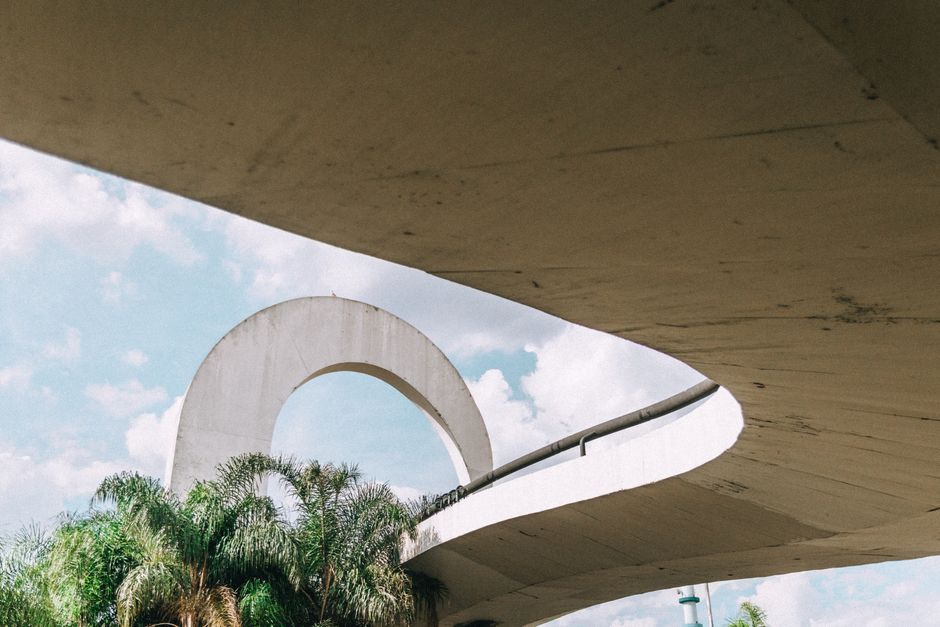
The morning meditation classes at Ibirapuera Park have grown exponentially over the past three years, with attendance now reaching 200+ participants on weekends. But this isn't merely trend-chasing. Recent neuroimaging research validates what these practitioners experience: mindfulness measurably rewires the brain's stress response systems.
A landmark study from the Massachusetts Institute of Technology, published in 2024, demonstrated that consistent mindfulness practice reduces activity in the amygdala—the brain region responsible for processing fear and stress—by up to 22%. Simultaneously, functional connectivity increases between the prefrontal cortex (responsible for rational decision-making) and the amygdala, effectively giving our conscious mind greater control over emotional reactions.
Dr. Cristina Mendes from Hospital das Clínicas points to the neuroplasticity principle: the brain's ability to reorganise itself through repeated neural activation. 'Eight weeks of consistent practice shows measurable changes in brain structure,' she explains, referencing the landmark research from Massachusetts General Hospital showing increased grey matter density in the hippocampus and prefrontal regions after mindfulness-based stress reduction programmes.
São Paulo's burgeoning wellness infrastructure reflects this scientific validation. The Vila Madalena neighbourhood now hosts over 15 dedicated meditation studios, with average monthly membership costs ranging from R$150–300. Meanwhile, corporate wellness programmes across Avenida Paulista increasingly incorporate mindfulness training, recognising its correlation with reduced sick leave and improved productivity metrics.
The neuroscience is compelling: when we meditate, we're not simply relaxing. We're actively strengthening neural pathways associated with present-moment awareness and weakening those linked to rumination and anxiety. Research from Stanford University (2023) found that individuals practising mindfulness for just 12 minutes daily showed statistically significant improvements in cortisol regulation—the primary stress hormone—within four weeks.
Local practitioners at venues like the meditation spaces in Pinheiros and along Rua Oscar Freire increasingly reference this research when explaining benefits to newcomers. The scientific framing appears to resonate particularly with São Paulo's professional demographic, many of whom experience high chronic stress from traffic congestion, long work hours, and urban density pressures.
What makes this research encouraging is accessibility. Unlike pharmaceutical interventions, mindfulness requires no prescription and minimal financial investment. Free weekly sessions continue at Ibirapuera Park, while numerous YouTube channels offer guided practices in Portuguese.
The convergence of rigorous neuroscience and accessible practice suggests we're moving beyond wellness buzzword territory into evidence-based mental health management—a shift that São Paulo's increasingly health-conscious population appears ready to embrace.
This article was compiled by AI from the sources linked above and screened before publishing. See our editorial standards.