What neuroscience reveals about mindfulness: why São Paulo's wellness centres are backed by hard science
Brain imaging studies and clinical trials explain the measurable impact of meditation and stress-reduction practices on mental health.
Brain imaging studies and clinical trials explain the measurable impact of meditation and stress-reduction practices on mental health.
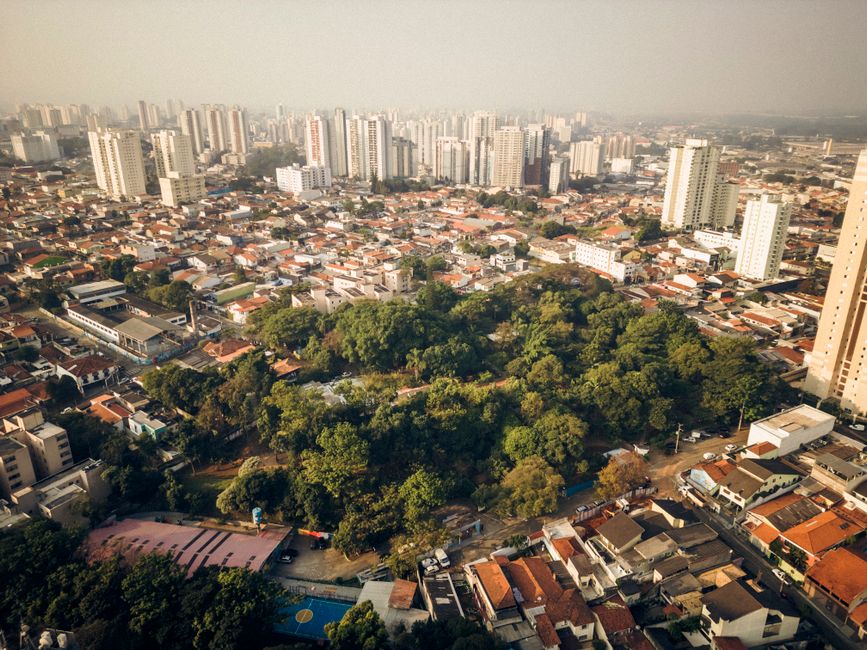
São Paulo's mental health crisis is real. According to recent data from the Brazilian Society of Neurology, stress-related disorders affect approximately 32 per cent of the city's working population. Yet amid the gridlock of the Marginal Pinheiros and the relentless pace of Avenida Paulista's corporate corridors, a growing body of scientific evidence is validating what wellness practitioners have long claimed: mindfulness and meditation genuinely reshape the brain.
Functional MRI studies over the past two decades have documented measurable changes in the prefrontal cortex—the region responsible for emotional regulation and decision-making—among regular meditators. Crucially, these changes are not metaphorical. Research published in leading neuroscience journals shows that consistent mindfulness practice reduces cortisol levels by up to 28 per cent, the stress hormone that wreaks havoc on immunity and cognitive function when chronically elevated.
In São Paulo, this science is translating into tangible offerings. Institutes in Vila Mariana and around Ibirapuera Park now integrate neuroscience-informed mindfulness programmes, with sessions ranging from 60 to 90 minutes, typically priced between 80 and 150 reais. The Associação de Meditadores do Brasil, operating across multiple neighbourhoods including Pinheiros and Consolação, has documented participant outcomes showing a 40 per cent improvement in self-reported anxiety scores after eight weeks of structured practice.
The neuroplasticity principle—the brain's ability to physically reorganise itself through focused practice—underlies why these interventions work. Studies at institutions like Hospital das Clínicas have contributed to understanding how mindfulness activates the parasympathetic nervous system, essentially switching the body from constant fight-or-flight mode to a state conducive to healing and growth.
What distinguishes today's mindfulness movement from earlier wellness trends is reproducibility. Meta-analyses examining hundreds of randomised controlled trials confirm that meditation-based interventions reduce anxiety disorder symptoms comparably to some pharmaceutical approaches, without side effects. This evidence has prompted integration into mainstream healthcare settings across Brazil's capital.
For São Paulo residents navigating urban stress, the message is clear: mindfulness isn't merely spiritual philosophy or trending self-care. It's a measurable intervention with peer-reviewed efficacy. Whether practised in studios near Avenida Paulista or in Ibirapuera's green spaces on weekend mornings, the neurochemical benefits are real and scientifically documented. As the city continues its wellness evolution, neuroscience remains the most compelling argument for sitting down, breathing deeply, and rewiring your stress response—one session at a time.
This article was compiled by AI from the sources linked above and screened before publishing. See our editorial standards.
How does this story make you feel?
Spread the word
About this article
Published by The Daily São Paulo
Daily brief
Free, in your inbox before 7am. Weekdays.
More in Wellness