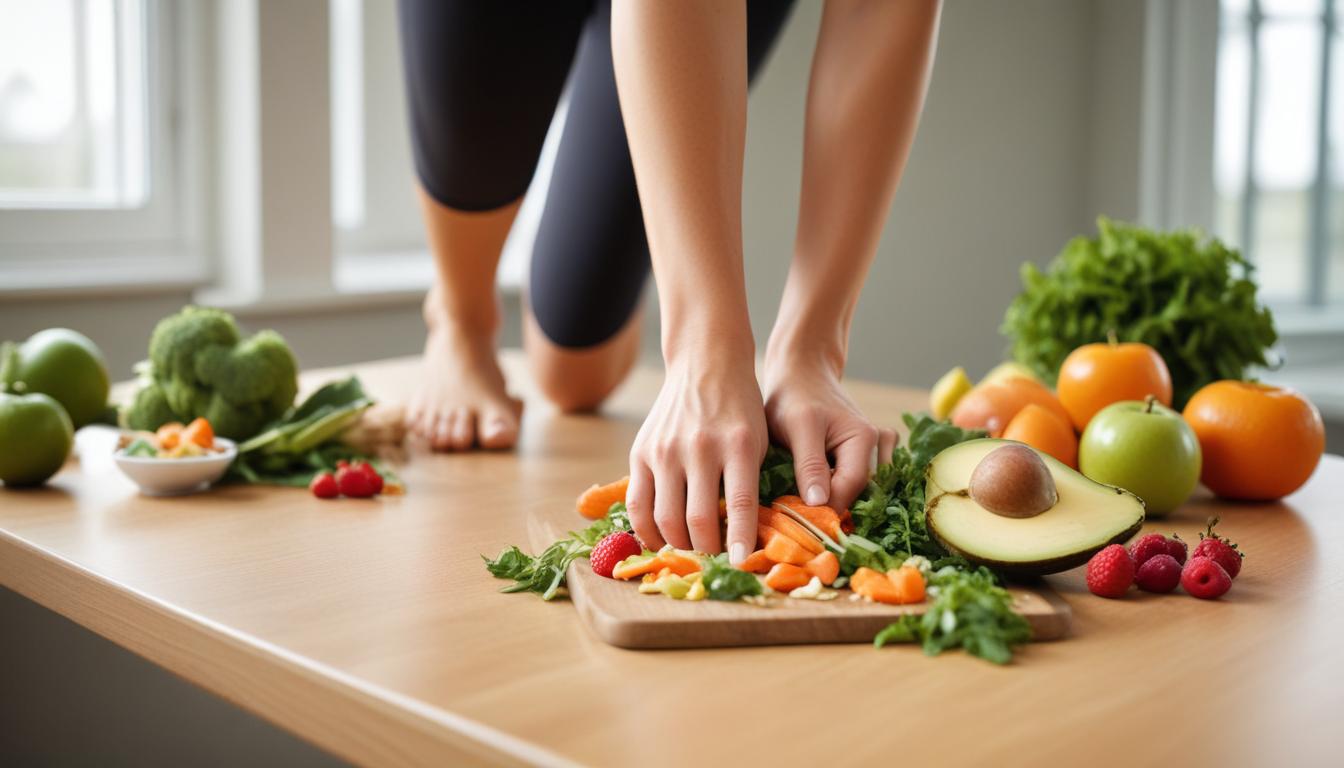
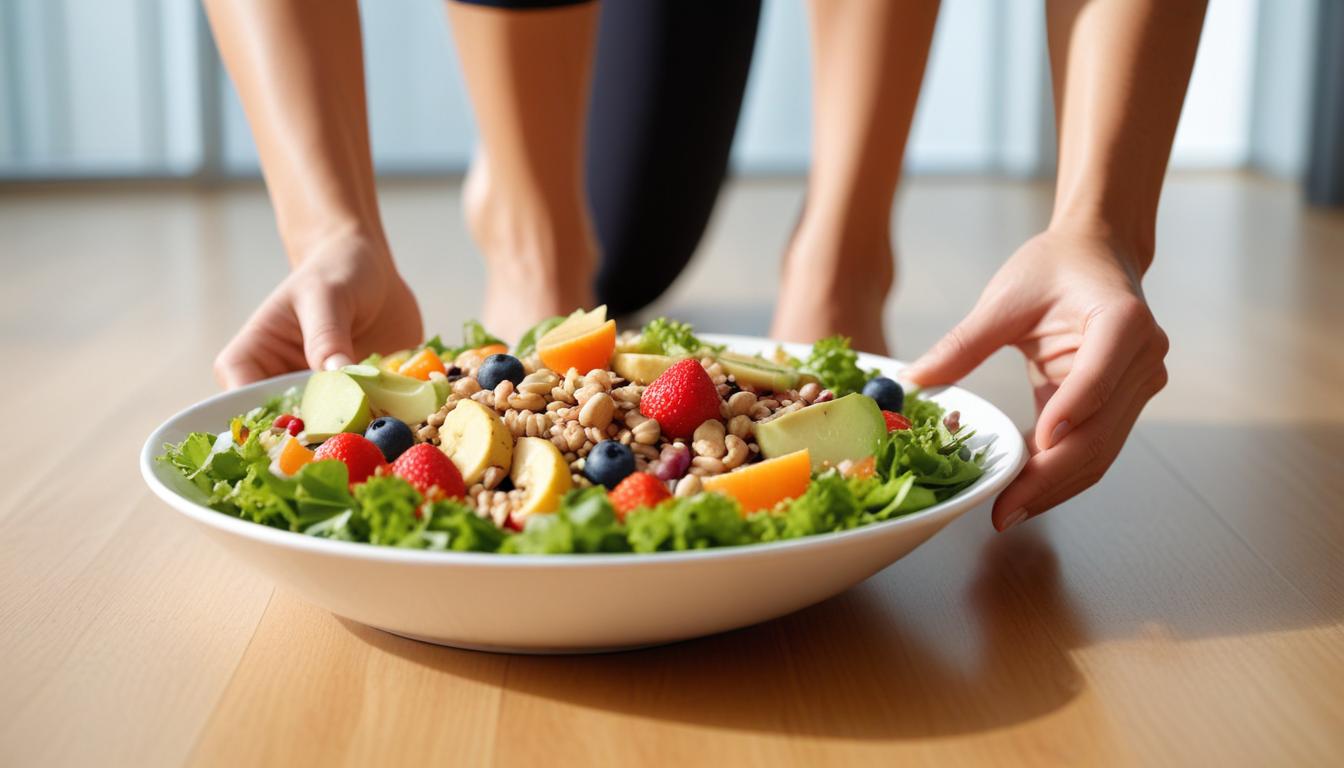
Walk through Vila Madalena on a Saturday morning, and the transformation is unmistakable. Where butcher shops and traditional padarias once dominated street corners, juice bars and plant-forward bistros now crowd the storefronts. This shift isn't merely aesthetic—it signals a genuine reorientation of how São Paulo's residents approach food and wellness.
The momentum began quietly, perhaps in the smoothie bowls that became ubiquitous around Pinheiros and Itaim Bibi five years ago. But today, nutrition-conscious eating has evolved into something far more structured. The Secretaria Municipal de Saúde reports that interest in nutritionist consultations has increased by roughly 40% since 2023, reflecting growing demand for personalized dietary guidance. Simultaneously, organic markets like the weekly CEAGESP farmers' markets in the south zone have expanded their customer base beyond traditional demographics.
The shift is particularly visible in established neighborhoods. Avenida Paulista, historically associated with corporate dining, now hosts dedicated wellness cafés offering grain bowls, cold-pressed juices, and locally sourced proteins—a marked departure from its fast-food reputation a decade ago. Nearby, the Ibirapuera Park area has become an informal hub where fitness enthusiasts gather not just to exercise, but to discuss nutrition, with several adjacent restaurants adapting menus to serve post-workout meals rich in lean proteins and complex carbohydrates.
Local entrepreneurs have recognized the opportunity. Small brands focused on functional foods—from fermented vegetable products to hormone-free dairy alternatives—have proliferated across neighborhoods like Consolação and Lapa. While premium organic produce at establishments in Higienópolis commands higher prices (often 25-35% above conventional options), more affordable options are emerging through cooperative buying groups and neighborhood initiatives.
The phenomenon extends beyond affluent zones. The proliferation of community-supported agriculture (CSA) programs across greater São Paulo, connecting city residents directly with regional farms, has democratized access to seasonal, pesticide-free produce. These initiatives now number in the dozens across the metropolitan area.
Yet challenges remain. While awareness of nutrition's role in disease prevention continues growing—particularly following heightened focus on metabolic health post-pandemic—access and affordability gaps persist. Educational campaigns from institutions like Hospital das Clínicas have helped, but sustained behavioral change requires ongoing dialogue.
São Paulo's food revolution reflects a city increasingly willing to invest in prevention. Whether through farmers' markets, workplace wellness programs, or simple dietary shifts, the message resonates: nutrition is not luxury, but necessity.
This article was compiled by AI from the sources linked above and screened before publishing. See our editorial standards.