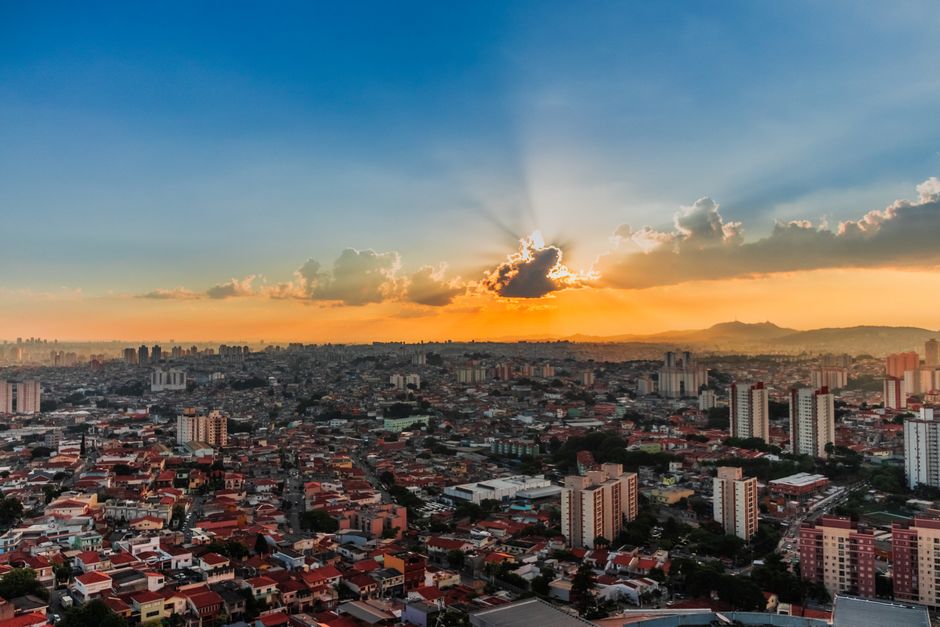
Five years ago, the stereotype held true: São Paulo was a city that never slept. Late dinners at 10 p.m., emails answered at midnight, the relentless hum of ambition keeping eyes wide open until dawn. But something shifted. Walk through Ibirapuera Park on a weekday morning now, and you'll see something that would have seemed radical a decade ago—locals prioritizing sleep as a non-negotiable wellness asset.
The change began quietly, driven by workplace wellness programs and a growing awareness that productivity and rest aren't opposing forces. Hospital das Clínicas sleep medicine department has seen a 34 percent increase in consultations since 2023, largely from people seeking to optimize sleep rather than treat disorders. The message resonated: better sleep means better everything else.
The habits gaining traction are refreshingly unglamorous. In neighborhoods like Vila Mariana and Jardins, residents report adopting the "digital sunset"—removing phones from bedrooms by 9 p.m. One Avenida Paulista-adjacent fitness center manager noticed members arriving earlier for morning classes, attributing the shift to improved sleep schedules rather than newfound discipline. The ripple effect: more people showing up to Ibirapuera's 6 a.m. cycling groups genuinely rested, not running on caffeine fumes.
São Paulo's cafe culture, traditionally an afternoon ritual of social connection, has transformed. Specialty coffee shops along Rua Oscar Freire now market their afternoon offerings as "caffeine cutoff" drinks—herbal alternatives and decaf options gaining shelf space alongside espresso. The message is simple: respect the evening.
Temperature control emerged as another local innovation. As São Paulo's summer temperatures regularly exceed 28°C, residents in Pinheiros and Consolação invested in blackout curtains and air conditioning optimization—small costs yielding measurable sleep quality improvements. Local hardware stores report rising demand for thermal bedding products year-round.
Perhaps most intriguingly, the social dimension changed. Sunday cycling along Avenida Paulista, traditionally a social cardio event, evolved into a wellness conversation hub where sleep quality became as discussed as route difficulty. Community wellness groups across São Paulo now host "sleep circles"—informal evening gatherings where locals share strategies and research.
The city's transformation reflects a broader shift: rest isn't laziness or lost productivity. It's infrastructure for everything that follows. For a city that built its identity on relentless forward momentum, recognizing sleep as essential fuel represents genuine cultural evolution.
For personalized sleep guidance or concerns about sleep disorders, consult a healthcare professional at Hospital das Clínicas or your local medical provider.
This article was compiled by AI from the sources linked above and screened before publishing. See our editorial standards.