How to start a walking group in your neighbourhood: a practical guide for São Paulo residents
From securing a route to building momentum, here's what you need to know to launch a community walking initiative in your bairro.
From securing a route to building momentum, here's what you need to know to launch a community walking initiative in your bairro.
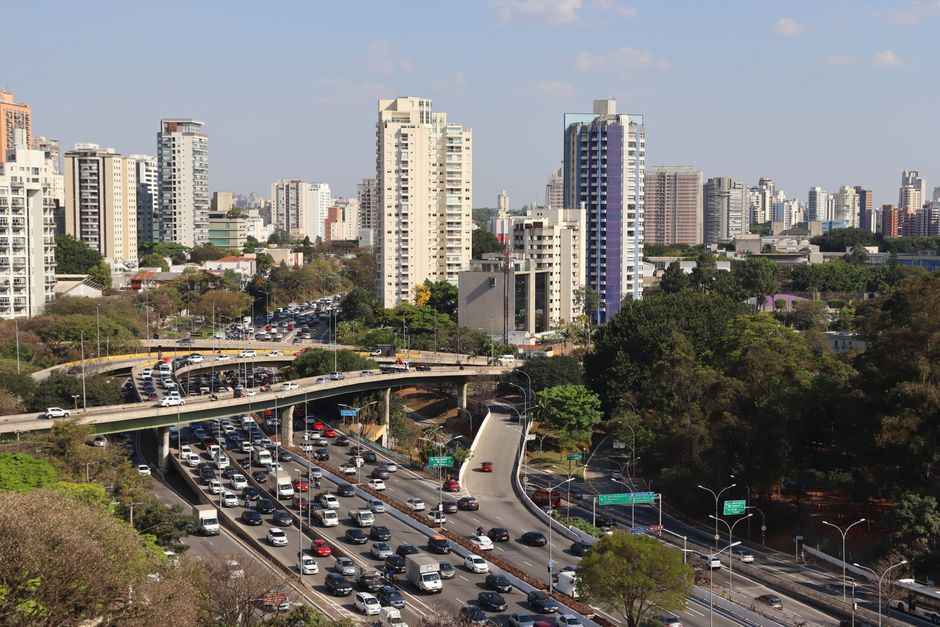
Walking groups have become a cornerstone of neighbourhood wellness across São Paulo, transforming solitary exercise into social connection. Whether you're in Vila Mariana, Pinheiros, or Santana, starting a walking group requires minimal investment but thoughtful planning—and the payoff extends far beyond fitness.
Begin by identifying your walking route. Established neighbourhoods like Consolação already benefit from structured paths near Avenida Paulista, while residential areas such as Tatuapé or Campo Belo offer quieter alternatives along local streets. Walk the proposed route yourself first, noting distance, terrain, lighting conditions, and whether it's accessible for varying fitness levels. A 3–5 kilometre circuit typically works well for beginners; longer loops can develop naturally as your group grows. Most walking groups in São Paulo meet twice weekly, typically early morning (6–7 a.m.) or evening (5–6 p.m.), avoiding peak heat.
Next, establish your group's foundation. Create a simple WhatsApp or Telegram channel—nearly all São Paulo fitness communities coordinate this way. Set clear expectations: pace, meeting point, frequency, and inclusive language welcoming all ages and abilities. Neighbourhood spots near metro stations (Brigadeiro, Trianon-MASP, or Sumaré) work well as landmarks. Consider registering with local community centres or associations; many bairros have neighbourhood associations (associações de moradores) that provide visibility and sometimes access to municipal resources.
Promote locally and authentically. Post flyers at neighbourhood pharmacies, cafés, and community boards—especially effective in areas with strong café culture like Vila Madalena or Higienópolis. Engage with neighbourhood Facebook groups and Instagram community pages. Word-of-mouth remains powerful; many successful groups in Ibirapuera's surrounding neighbourhoods grew from five initial participants to 20–30 regulars within two months.
Address practical details early. Designate one person as point leader for each session. Establish a basic pace—typically 4–5 km/h—to keep the group cohesive. Insurance isn't legally required for informal neighbourhood groups, but checking with your local municipal health authority (Subprefeitura) clarifies any guidelines. Some groups coordinate small contributions (R$5–10 monthly) for essentials like printed maps or safety vests.
Finally, build community intentionally. End walks with brief coffee stops at nearby establishments—this social element sustains participation. Celebrate milestones: monthly distances covered, seasonal route variations, or newcomers joining. Walking groups thrive on consistency and belonging, not just calories burned.
Starting a neighbourhood walking group costs virtually nothing but returns immeasurable community wellness benefits. Your bairro likely has neighbours already wanting exactly this.
This article was compiled by AI from the sources linked above and screened before publishing. See our editorial standards.
How does this story make you feel?
Spread the word
About this article
Published by The Daily São Paulo
Daily brief
Free, in your inbox before 7am. Weekdays.
More in Wellness